9 hours ago
“Assures secure energy future for Kosovo”- Haradinaj presents 5-point energy crisis exit plan
Periskopi(a year ago)
(a year ago)The AAK coalition's candidate for prime minister, Initiative, Conservative List and Intellectual E-30 Forum, Ramush Haradinaj, has presented strategic priorities for the development of Kosovo's electromagnetic system. Through a Facebook post, Haradinaj said that combining traditional resources with renewable ones and new technologies like clean hydrogen represent energy security for [...]
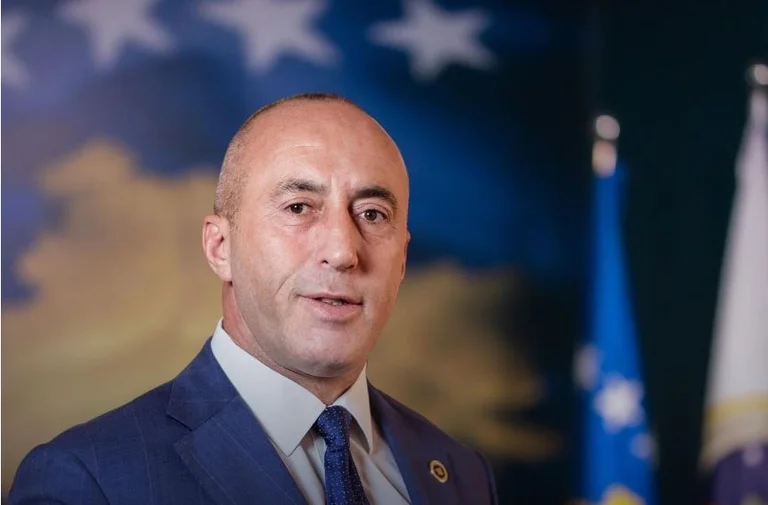
The AAK coalition's candidate for prime minister, Initiative, Conservative List and Intellectual E-30 Forum, Ramush Haradinaj, has presented strategic priorities for the development of Kosovo's electromagnetic system.
Through a Facebook post, Haradinaj has said that combining traditional resources with renewable ones and new technologies like clean hydrogen represent energy security for the future.
“The approach that combines traditional, renewable resources and new technologies like clean hydrogen is key to ensuring a stable, clean and secure energy future for Kosovo”, Haradinaj has said.
Full Posting:
RELIGION TRATEGIC FOR SYSTEMING ELECTROURERGEAL COSOVA
Kosovo is ahead of a critical period for transforming the energy sector, where energy security, diversification of resources and meeting the defueling targets are necessary. To address current challenges and ensure a stable system, a number of strategic investments are needed:
1. Construction of a 500MW gas power plant in Ferizaj
• This plant will provide sustainable supply and operational flexibility, serving as a balance source during low production periods from renewable sources (air and wind energy), along the power storage system through batteries (BESS), financed by the US Government, through the MCC programme and the Kosovo budget.
• Direct connection to COSTT's 400 kV network will enable effective integration into the transmission system.
• The estimated cost: 0.1-1.5 billion euros, including the technology of capture and storing carbon, and depending on the capacity and technology selected.
2. Modernisation of the transmission network for safe operation and integration of renewable resources
• Internal ring construction 400 kV: provides stability to the system and enhances transmission capacity for large energy projects.
• The estimated cost: 100-150m euros.
• Rings 220 kV and 110 kV: Strengthen local capacities for the integration of scattered energy sources and improve operational flexibility of the network.
• The estimated cost:
• Rings 220 kV: 50-70m euros.
• Rings 110 kV: 2040m euros.
• Locking methodology Review: A more flexible approach by COSTT and ZRRE to accelerate the integration of renewable energy projects into the national network.
3. The possibility of developing capacity for clean hydrogen production
• Hydrogen produced by wind and solar energy can serve as a solution to managing excess supplies, preserving energy through electrolytes, and using it to balance energy flows.
• Hydrogen can be stored and used as fuel or energy carriers, providing flexibility for the system and reducing carbon emissions.
• The estimated cost:
• electrolysis capacity: 1-1.5m euros for MW.
•The hydrogen storage and transport infrastructure: 50-100m euros.
• The strategy includes building capacity for hydrogen production near existing thermal power plants for optimisation of costs.
4. The impact of these projects on system balance and defuelisation
• Gas station: In addition to secure supply, this plant will enable support in periods of instability from renewable sources, increasing the flexibility and security of the system.
• Clean Hydrogen: Its role in integrating renewable resources is essential through energy storage, avoiding losses and balancing the network.
5. Active participation in integrations into regional and European energy markets to ensure better energy trade opportunities, thus increasing competitiveness and lowering prices.
6. The benefits:
• Stability and higher operational security.
• Easier and faster integration of renewable energy projects.
• Reducing dependence on conventional resources and meeting energy transition targets.
This approach, which combines traditional resources, renewable ones and new technologies like pure hydrogen, is the key to ensuring a stable, clean and secure energy future for Kosovo.