10 minutes ago
American Airlines retired pilot: The crash evasion system is not effective in 200m
Periskopi(a year ago)
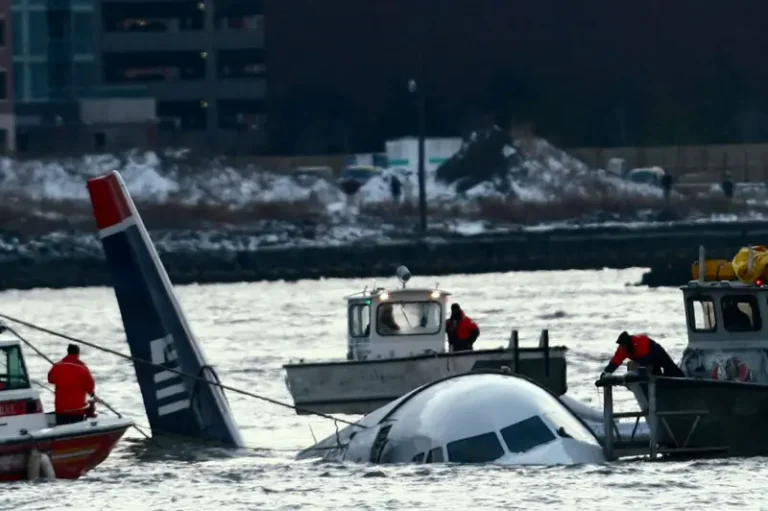
(a year ago)American Airlines aircraft and Black Hawk helicopters were broadcasting information about their paths and altitudes before the crash. Both were broadcasting different types of signals, and they were seen on a tracking website called ADS-B Exchange approaching each other. The plane was sending ADS-B signals, while Black Hawk helicopter was using a [...]
Both were broadcasting different types of signals, and they were seen on a tracking website called ADS-B Exchange approaching each other.
The plane was sending ADS-B signals, while Black Hawk helicopter was using another system called MLAT.
Such aircraft have board systems to detect flights in the vicinity, including a Traffic Collage System (TCAS).
Doug Rice, a retired American Airlines pilot, told the broadcaster. NBC that TCAS is not effective under 213m.
Data from the tracking site shows that American Airlines was on a steady descent approaching Washington's Ronald Reagan National Airport from the south. The helicopter was flying north along the Potomac River, also on a landing path.
The last registered height of the plane just before the crash was about 200 meters [200 m] of soil.