10 minutes ago
2024 registration: For 13 years Kosovo has 100 thousand fewer residents
Periskopi(a year ago)
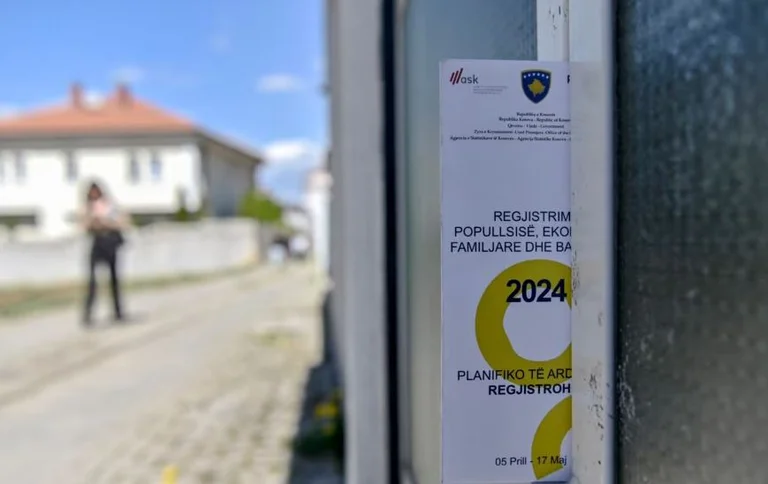
(a year ago)April 5th of the year we are leaving behind marked the opening of a process that had not taken place for a long time in Kosovo, that of the population census. Such a process in our country was done for the last time, 13 years ago, early in April, but 4 days [...]
Such a process in our country was done for the last time 13 years ago, early in April as well, but 4 days earlier than this year, April 1, 2011.
The total number of residents in Kosovo, according to the census of so many years ago, proved to be 1.8 million.
However, residents of Serb majority municipalities in the country's north were not included in this census, those of Leposaviqi, Zubin Potok, Zvecan and North Mitrovica. As such, they had refused to become part of this process.
According to 2011 results, 92.93 percent of the population are Albanian, while the rest belong to communities living in the country.
61 percent of the population of 13 years ago found that they live in rural areas, while 35 percent of them are economically inactive.
But the results of the process, initiated on April 5th and completed on May 24th of 2024, turned out not to be what was expected because Kosovo came out to have over 100,000 inhabitants less than in the 2011 census.
From the census, which included the diaspora, Kosovo currently officially has 1.6 million inhabitants.
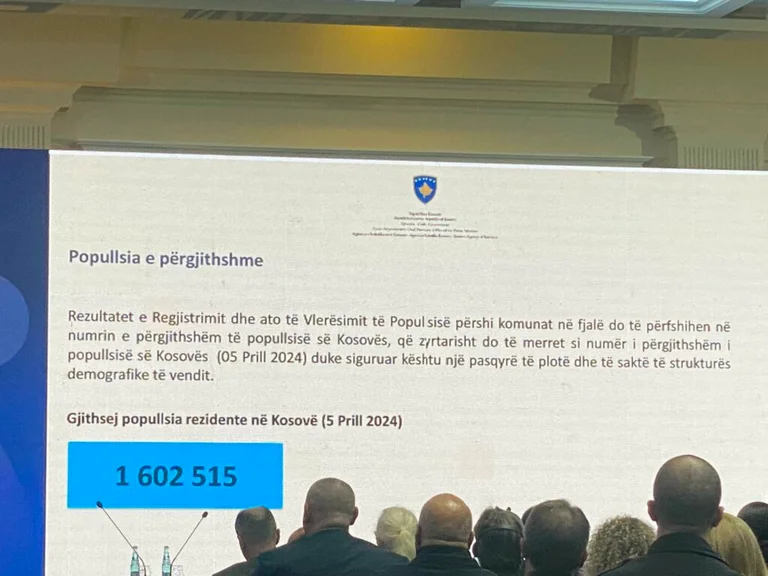
The results, announced by the Kosovo Statistics Agency on December 19th 2024, found that 21 percent of the population in our country live in residences, most of which are buying them.
The results showed that these residential objects dominate residences with 92.8 percent, until rent and other forms remain low by 5.3 percent and 1.2 percent, hence, Kosovars have changed their homes.
Of 38.0 percent, the transition to life from rural cities has reached 50.2 percent until the number that continue to live in villages has dropped from 62 percent to 49.8 percent.
By contrast, at the beginning of this process, the AKS had announced that persons who refuse to provide their records to the recorders risk a fine of between 30 and 2 thousand euros.
According to this agency, collected information serves as the basis for critical decision-making, affecting every aspect of life, according to the AKS, from health care, education, infrastructure development to resource sharing and policy planning.