5 minutes ago
Most EU countries, pro-removal measures on Kosovo
Periskopi(2 years ago)
(2 years ago)The European Union has approached the removal of restrictive measures on Kosovo, imposed a year ago on the part of the European Commission, as a result of the escalation of the security situation in northern Kosovo. In May 2023, tensions in northern Kosovo culminated following the entry of Albanian mayors into municipal facilities. They came out of the election [...]
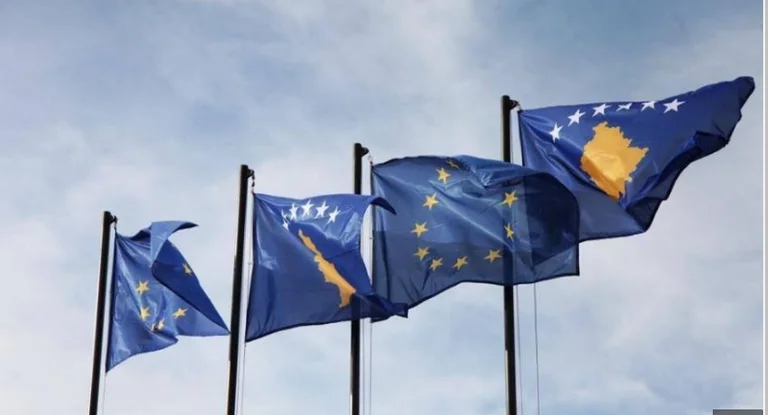
The European Union has approached the removal of restrictive measures on Kosovo, imposed a year ago on the part of the European Commission, as a result of the escalation of the security situation in northern Kosovo.
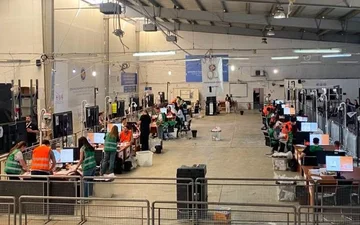
In May 2023, tensions in northern Kosovo culminated after Albanian mayors' entry into municipal facilities. They emerged from elections that the Serb majority population in northern Mitrovica, Zvecan, Leposaviq and Zubin Potok boycotted.
Since there are not enough votes The process failed. But, after holding the process, the Kosovo government and leaders like Prime Minister Albin Kurti President Vjosa Osmani demanded that EU punitive measures be removed.
Radio Free Europe From some diplomatic sources in the EU, it teaches that the great majority of member states are in favour of lifting all measures, while a smaller number of states want their removal to take place gradually.
Against lifting the measures, according to these sources, no EU member states have been voiced. That impression has been noted in the recent discussion that has been held in the EU on Tuesday evening for the current situation in Kosovo. The discussion is made on the EU's Committee for Political Security and Security (PSC) where the ambassadors of the 27 member states are.
The majority of member states want all measures to be removed against Kosovo, but there are several countries, among them also the three QUINT (Germany, France and Italy) countries that want gradual removal of measures against Kosovo”, has said an EU diplomatic source.
The same sources have said that the EU's external action service (EEAS) is in favour of removing measures against Kosovo, but hesitation so far has had more from the European Commission, with great impact on neighbourly and enlargement commissionor Oliver Varhely.
During recent discussions, it has been talked about steps Kosovo has taken to meet the conditions for lifting the measures, but also the steps that, according to reports that have spoken, have not yet been fulfilled overall. Two EU special envoys, Miroslav Lajcak, as special envoy for dialogue and Thomas Sonyong, who is special envoy for Kosovo and chief of the EU office in Kosovo, have spoken about the current situation in Kosovo.
They have said the situation is still tense, and problems caused in the north have not been overcome even after the opportunity offered to Serbs in four municipalities in the north to vote for the dismissal of the mayors of these municipalities.
Both, according to diplomatic sources, have been avoiding direct questions about whether Serbia is violating the agreement on the road towards normalising reports with Kosovo by rejecting Kosovo's membership in the Council of Europe.
They have only found that Serbia is committed to trying to undermine Kosovo's membership in the Council of Europe.
During the discussion, according to diplomatic sources, there have been calls for the removal of all measures against Kosovo as soon as possible, because they have created the impression that the EU has no balanced access to Serbia and Kosovo.
The most vocal in the requirements for lifting measures towards Kosovo have been Finland, Baltic countries, Croatia, Poland, Slovenia and several other countries. While France, Italy and Germany have wanted to leave the impression that the QUINT countries have common stance and have preferred gradual removal of the measures.
Hungary, which has so far been opposed, has not now voiced opposition.
Member states have called for the EU's High Representative for Foreign Policy and Security, Josep Borrell, as soon as possible to report before the EU Council on meeting Kosovo's conditions for removing the measures. This report is necessary in order to remove measures, in whole or in part.
EU sources have said that even conclusions from the EU ministers' meeting from December 12th 2023 cited the removal of “measures”, rather than gradual removal, as some countries require.
The Council recalls that the EU is ready for lifting measures if further progress is achieved in meeting the requirements. The council will forward the issue and return on the basis of the High Representative's report on meeting these requests”, writes in the EU General Affairs Council's conclusions from December last year.
There is a uncertainty within the EU even about the need for member states to agree to abolish the measures. This, because when the measures were set, it was said that “this is the competence of the European Commission“. It is now required for their removal to have reconciliation from all EU member states. EU sources after the recent debate where member states' readiness was seen say “The EU is approaching the removal of measures against Kosovo, but it is not yet a job done“.
Steps towards Depressing the situation in northern Kosovo
Agreement between the EU and Kosovo to implement June 3rd 2023 declaration of 27 EU nations
July 10, 2023
| Step | Action | Time |
|---|---|---|
| 1 | The Kosovo government publicly declares its readiness to engage in extending the situation and that no action will be taken that could scale the situation in northern Kosovo. This includes an immediate reduction of 25% of police presence in and around municipal buildings. | First week |
| 2 | Kosovo police conduct regular security assessments along with EULEX, and with KFOR, as necessary, to see the possibility of reducing the entire police presence in and around municipal buildings. | From the first week, over and over. |
| 3 | Kosovo's government makes a public statement to support the holding of early elections in four spring municipalities after the summer. Kosovo is committed to providing the necessary legal basis for organising elections. | From the first week, apply as soon as possible |
| 4 | The EU will invite the two chief negotiators to Brussels to finalise the presumption plan for the Agreement on the road to normalising relations, after which implementation of all provisions of the agreement will begin. | Week two |
Source Layer: Kosovo government
Why are punitive measures imposed on Kosovo?
Since almost a year, Kosovo has been under some Punishment measures by the European Union. These measures were imposed after the EU said Kosovo had not done enough to expand the situation in the Serb-run north.
In May 2023, tensions in that part of Kosovo culminated after Albanian mayors' entry into municipal facilities. They emerged from elections that the Serb majority population in northern Mitrovica, Zvecan, Leposaviq and Zubin Potok boycotted.
Representatives of Western states have asked Kosovo that, Through early elections, He allowed the departure of those who he said would not represent the will of the inhabitants.
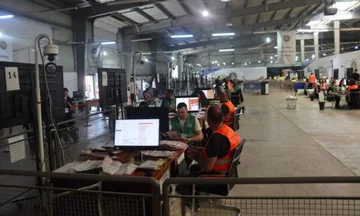
Sunday, Kosovo holds voting process That could lead to the dismissal of the mayors of these municipalities, but again there was a boycott, after the call made by the largest Serbian party in Kosovo, Serbian List.
Since there are not enough votes The process failed. But, after holding the process, the Kosovo government and leaders like Prime Minister Albin Kurti i President Vjosa Osmani They demanded that EU punitive measures be removed.
Free Europe Radio also asked the Government of Kosovo about the effects of punitive measures, but received no answers to the publication of this article. Neither the EU does to comment on the specific effects of these measures.