17 minutes ago
Serwer: Local instability, ethnic cleansing serious threat in Kosovo, Bosnia and Montenegro
Periskopi(2 years ago)
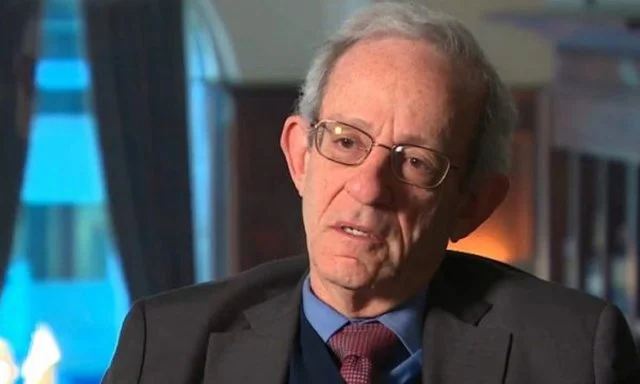
(2 years ago)American university professor Johns Hopkins and the connoisseur of political developments in the Western Balkans, Daniel Serwer, has spoken about the process of dialogue on normalising relations between Kosovo and Serbia, as well as the security situation in the region. In an interview for Signal Gazette, Serwer has said little progress has been made in the direction of [...]
American university professor Johns Hopkins and the connoisseur of political developments in the Western Balkans, Daniel Serwer, has spoken about the process of dialogue on normalising relations between Kosovo and Serbia, as well as the security situation in the region.
In an interview for the Signal Journal, Serwer has said little progress has been made in terms of normalising the reports, while it has indicated that the main obstacle to this is Serbia's resistance.
But, Professor Serwer has not left Kosovo completely innocent, which he says has failed to do everything it can to ensure a comfortable environment for local Serbs.
The criticism has also taken place for the international community, the European Union, and the United States of America, which, according to him, have been poor in recent years.
As for ethnic tensions in the Western Balkans region, Serwer has not voiced concern over a major or long war, but, as he claims, local instability and ethnic cleansing is a serious threat to Kosovo, Bosnia and Montenegro.
All in the end, he has said that to have peace and stability in the region, Kosovo should provide comfort and loyalty to Serbian citizens on its territory, as should Serbia do with Albanians on its territory, and also respect mutual sovereignty and territorial integrity.
Signal newspaper: What progress has been made in terms of normalising relations between Kosovo and Serbia in recent years?
Daniel Serwer: Very little. Accepting documents and vehicle license plates. The payment of electricity bills. Good things that should have happened a long time ago.
Signal newspaper: What are the main obstacles hindering the normalisation process between Kosovo and Serbia?
Daniel Serwer: The main obstacle is Serbia's resistance. But Kosovo has also failed to do everything it can to ensure the comfort and loyalty of its Serbian citizens, which is a vital part of normalisation.
Signal newspaper: How do you assess the European Union's role in facilitating dialogue and reconciliation between Kosovo and Serbia?
Daniel Serwer: The Union has failed to use its levers with Serbia. He has used the lever with Kosovo, but inappropriately and without results.
Signal newspaper: How do you see the role of the United States in promoting stability and peace in the Western Balkans, especially in terms of Kosovo-Serbia relations?
Daniel Serwer: Washington's been bad for years. It was a serious mistake to give priority to the Association of Serb majority municipalities, which I think could only come with recognition.
Signal newspaper: What steps must be taken to address the remaining issues in the dialogue between Kosovo and Serbia, such as the status of the Serb majority municipalities in Kosovo?
Daniel Serwer: Pristina must take unilateral action to ensure the comfort and loyalty of its Serbian citizens, as mentioned earlier. This will require much greater efforts to meet their needs, to allow the flow of Serbia's legitimate subsidies and to protect their property, particularly in the monastery in Decani.
Signal newspaper: How do you view the involvement of other regional actors, such as Russia and Turkey, in the process of dialogue between Kosovo and Serbia?
Daniel Serwer: They don't really play live, but Russia is supporting Vuciki's liberalism at home and iridentism with its neighbours. Turkey is seeing it as a relatively minority player, however, as a common force will influence.
Signal newspaper: What are the potential implications of Kosovo-Serbia dialogue on the wider stability of the Western Balkans?
Daniel Serwer: Dialogue developed in recent years has not been a factor for stability. His difficulties have echoed in the region.
Signal newspaper: How can economic co-operation and integration initiatives contribute to normalising relations between Kosovo and Serbia?
Daniel Serwer: I believe that you can -- to have a population and companies that advance -- can less hostility and open up new opportunities. But Serbia's refusal to recognise Kosovo makes it difficult.
Signal newspaper: How do you assess the security situation in the Western Balkans, especially in light of recent developments?
Daniel Serwer: It is wavering, mainly because of Serbian abuses.
Signal newspaper: What are the main security challenges in the region, and how can they be addressed?
Daniel Serwer: Serbia and Russia are the main security challenges in the region.
Signal newspaper: How do you see the role of NATO and other international organisations in ensuring security and stability in the Western Balkans?
Daniel Serwer: NATO is guarantor in Kosovo, Croatia, Montenegro and Macedonia, as well as the reserve guarantor for the EU in Bosnia and Herzegovina. This makes it very important for the region. The EU has a leading role in Bosnia.
Signal newspaper: What impact might unresolved disputes and ethnic tensions have on the security situation in the region?
Daniel Serwer: I don't worry about a big or long war, but local instability and ethnic cleansing is a serious threat in Kosovo, Bosnia and Montenegro.
Signal newspaper: How do you assess the efficiency of border management and security co-operation among Western Balkan countries?
Daniel Serwer: More would be better. Trade delays on borders are very long, migration and very easy trafficking, and the border between Serbia and Kosovo very butous.
Signal newspaper: What role can the European Union play in promoting security sector reform and institution building in the Western Balkans?
Daniel Serwer: You'll have to ask the EU, but my point is that the EU does a lot for border management.
Signal newspaper: How do you see the potential for enhanced co-operation between Western Balkan countries and neighbouring EU member states in addressing common security challenges?
Daniel Serwer: I would like to see more, especially between Croatia and Bosnia, as well as Bulgaria and Macedonia, but political issues make this ever difficult.
Signal newspaper: What are your recommendations for policymakers and interest groups to promote peace, stability and reconciliation in the Western Balkans, especially between Kosovo and Serbia?
Daniel Serwer: Kosovo must provide the comfort and loyalty of its Serb population, Serbia must provide the comfort and loyalty of its Albanian population, and the two countries must respect each other's sovereignty and territorial integrity. When they do these things, peace, stability, and reconciliation will be much easier than today.