8 hours ago
Syria's Oldest Political Prisoner Released
Periskopi(2 years ago)
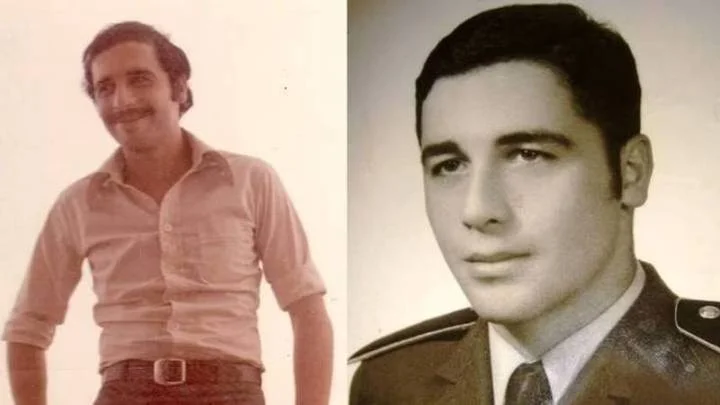
(2 years ago)Raged Ahmad al-Tari, described by human rights activists as one of the world's longest-lived political prisoners, has been released after 43 years behind bars in Syria. He was imprisoned in 1981, when he was 27, after a colleague pilot defected flying to Jordan with one [...]
Raged Ahmad al-Tari, described by human rights activists as one of the world's longest-lived political prisoners, has been released after 43 years behind bars in Syria. He was imprisoned in 1981, when he was 27 years old, after a colleague pilot defected by flying to Jordan on a fighter plane.
Al-Thar was charged with failing to provide information on his colleague's escape plans. After spending two years in complete isolation at the Mezzih prison, he was transferred to the infamous Tadmor prison, where he remained until 2000. He then moved to another notorious institution, the Sednaya prison, and in 2011 to the central Adra prison in Damascus. The military court, which sentenced him to life in prison, declared the verdict in just one minute.
When asked about his sentence, al-Tarit often reflected on his experiences: And he smiled: “five years.” A former prisoner, who asked to remain anonymous, recalled his first conversation with al-Tatar, where he added: your “Dinu is equal to the years I've only spent in the toilet. ”
During his time in prison, al-Tatar developed an extraordinary talent as artist and sculptor, creating delicate works from bread crumbs, sugar, cytric acid and olive seeds. He also organized chess shifts, making pictures out of the bread dough and drawing the sign on a piece of cloth.
His son Vail, now in his 40 ' s, shared his memories of growing up without his father. As a child, the mother told him that his father had simply vanished “. ” “Every time I saw a stranger walking alone, I thought: Maybe he's my father. I went to the door and waited. But nothing ever happened. After a few years, she became unbearable, and I stopped doing this,” remembers Vail.
Over the years, various versions of al-Tatar's arrest have been circulated, including claims it was due to his refusal to bomb the Syrian city of Hama or for failing to report the deserting of his colleagues. The Syrian campaign, a human rights organisation that has studied his case, confirmed that he was the longest-lived political prisoner in Syria.