8 hours ago
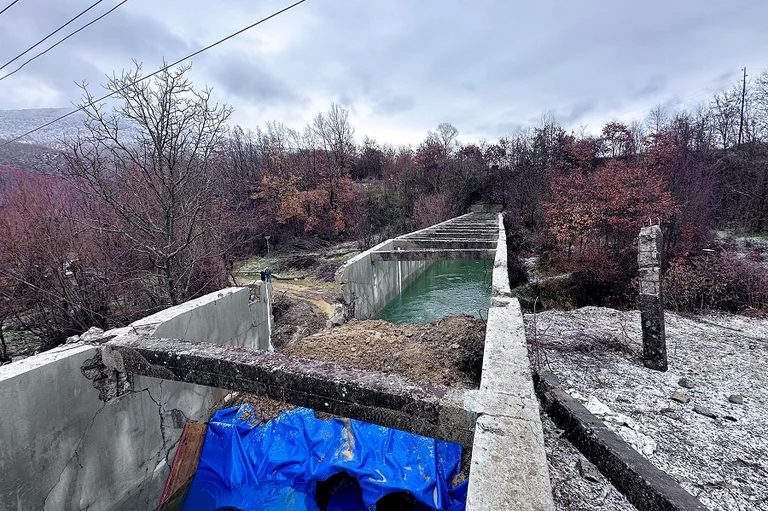
EU seeks investigation, Kosovo accuses Serbia, Serbia denies involvement in Iber-Lepenci Canal explosion
Periskopi(2 years ago)
(2 years ago)The EU has closely followed recent developments in Kosovo. The explosion in the Iber-Lepenci channel, which threatens the supply of water and electricity for hundreds of thousands of Kosovo citizens, has described the European Union as a <x0-terrorist” attack, as well as a “sabotager” act and calls for investigating the event and putting the perpetrators to justice. European diplomacy head Josep Borrell in [...]
European diplomacy head Josep Borrell on the run (from December 1st takes office, Kaya Kallas) in a press release Saturday (30.10). The EU strongly condemns the terrorist attack carried out Friday in the Iber-Lepenc water channel in Zubin Potok in northern Kosovo. It is a disgusting act of sabotage in Kosovo's critical civilian infrastructure, which provides drinking water for a considerable part of Kosovo's population and is a vital component of the Kosovo energy system”.
Borrell said that messages of solidarity and support have directly forwarded to Prime Minister Albin Kurti on Saturday afternoon. From Borrell, the call has also come to all sides to co-operate fully with Kosovo authorities.
Arrests over northern Kosovo bombings
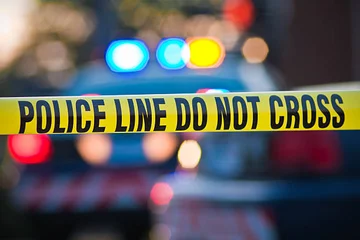
In a large-scale operation in northern Kosovo all Saturday, police arrested eight people suspected of the explosion in the water channel at Iber Lepenc, also confiscating large quantities of weapons and other military equipment.
Authorities indicated that the Kosovo Intelligence Agency and police (AKI) have conducted operations in ten locations north of the country. Kosovo Police General Director Gazmend Hoxha said that some people have already been identified as possible suspects for inciting acts of violence, organisation or execution of the recent attack and others in the country's north.
Between 15 and 20kg of explosive were allegedly used
The implementation of this terrorist attack on the basis of the investigation into the site was allegedly used by a significant amount of explosives from 15 to 20kg, which was placed in a black bag and activated by mechanical detonator through the slow-burning fuse”, Hoxha said. According to him, the operation and control resulted in the seizure of an arsenal of weapons and ammunition, explosives, various equipment, including emblems and hundreds of military uniforms and equipment”.
He said police “have reason to believe that, in one form or another, arrested persons have been linked to the case of last night's terrorist attack and with illegal activities and many other earlier, and most of them are part of Civil Protection”. This organisation that operates in northern Kosovo, the government in Pristina last year has declared a terrorist organisation.
“During the police action, over 200 military uniforms, six hand rocket launchers, three hand grenades, two AK47-type rifles, a gun, ammunition of different calibres, pieces of weapons, fitilas for the initiative of explosives, military helmets, masks, knives, money in bags like euros and other” equipment, Police Director Gazmend Hoxha said.
Hardest attack on Kosovo infrastructure from wartime
Kosovo Interior Minister Xhelal Svecla said at an extraordinary news conference that the explosion against the Iber-Lepenci Canal, which is described as a prime importance for Kosovo thermoelectrics, drinking water and heating the capital, was the most serious attack on the country's critical infrastructure since the 1998-1999 Kosovo war.
“This is well-organised and well planned attack by groups or organisations that are professional in carrying out such terrorist attacks and which cause major damage to critical infrastructure. So their aim has been to maximumise damage to the state of Kosovo”, Minister Svecla said.
Regarding the weapons unearthed, Svecla said, the overwhelming “of weapons and other confiscated equipment are Serbian production and that much of it is exclusively military equipment that cannot be found easily on the black market”.
Kosovo accuses Serbia, Serbia denies involvement
Kosovo Prime Minister Albin Kurti also held Serbia responsible for the attack, which he named <x0kriminal and terrorist”, which has been aiming at “to damage the country's possibly most important and vital infrastructure”.
But Serbia's president, Aleksandar Vuciq, flatly denied Serbia's involvement in the attack in the north, saying that “Belgrade has nothing to do with what happened in northern Kosovo, where an Iber-Lepenci water channel was damaged. That I know even Pristina”, Vuciq broadcasts RTS.
“Why would I excuse myself, run through the world media, apologize for something I haven't done when they would, however, interpret it as they would like to be”, Vuçic said.
Even Serbia's Foreign Minister Marko Djuric, rejecting the claims of Prime Minister Kurti, said that until “the ethnonationalist regime of Kurti has rushed to point its finger towards Belgrade without evidence, we believe such premature accusations are a deliberate deviation, which could potentially indicate the involvement of the regime of Albin Kurti” in this attack. Djuric said that “Serbia condemns the recent attack on Iber-Lepenci Canal in the harshest terms. This act of sabotage is deeply troubling to endanger the lives and well - being of many in the region”.
The Kosovo Security Council has already approved additional measures to strengthen security around sites and critical services such as bridges, trafostations, antennas, lakes, channels, etc. Kosovo police and the Kosovo Security Force will be activated on the ground for that purpose. / DW