8 hours ago
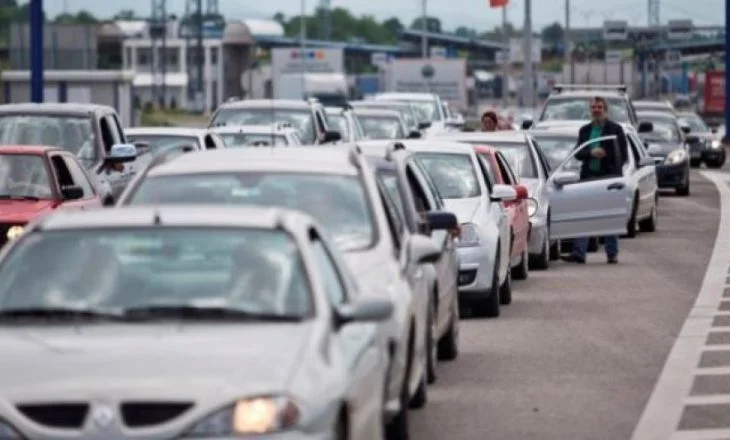
It took 43 hours to come from Switzerland to Kosovo, exiles complain of blocking borders
Periskopi(a year ago)
(a year ago)A Kosovo family has complained about numerous blockades along the way from Switzerland to Kosovo. According to the Islamic family, their “a terrible journey” lasted 43 hours, where it said the traffic deadlock at the Bajakova border point between Croatia and Serbia was “torising” and “unacceptable, especially for children”. The Islamic family departed [...]
A Kosovo family has complained about numerous blockades along the way from Switzerland to Kosovo.
According to the Islamic family, their “a terrible journey” lasted 43 hours, where it said the traffic deadlock at the Bajakova border point between Croatia and Serbia was “torising” and “unacceptable, especially for children”.
The Islami family left Bern on Friday at 2: 00 p.m. and arrived in Kosovo on Sunday at 8:00 a.m., passing through Austria, Germany, Slovenia and Croatia. As the start of the trip went smoothly, the situation deteriorated significantly at the Croatian-Serbian border, where a long and constant traffic jam left everyone hopeless, Albinfo.at writes.
There was no progress, and the worst was: there was no end to”, the exile from the Islamic family has spoken. He says others have reported similar problems over the weekend.
Islam criticises the situation, blaming the EU for its non-intervention, Croatia for its chaos on its side of the border and Serbia for the lack of border points or efficiency in existing ones.
It calls for faster travel treatment processes and for a greater number of staff, especially during the season.
The main problem, according to Islam, is the census of all persons who do not carry an EU passport, a process that takes an average of 5-10 minutes per car. This, combined with the high volume of traffic, leads to long jams and frustration of travelers.
Despite the difficulties experienced, the Islamic family is happy that it reached its destination and hopes the situation will improve in the future. They call for “better co-operation among Balkan countries and for investments in border infrastructure in order to avoid repeating such situations”.