8 hours ago
KMDLNj: Judgment against former KLA leaders in The Hague, marathon of judicial crime
Periskopi(2 years ago)
(2 years ago)Council for the Protection of Human Rights and Freedoms ( KMDLNj has reacted sharply to the court process at The Hague, naming it <x0-maratotine of a judicial crime.” Four years tomorrow are due to the arrest of some of the highest figures of the Kosovo Liberation Army and Kosovo politics, including former President Hashim Thaci and former mayors [...]
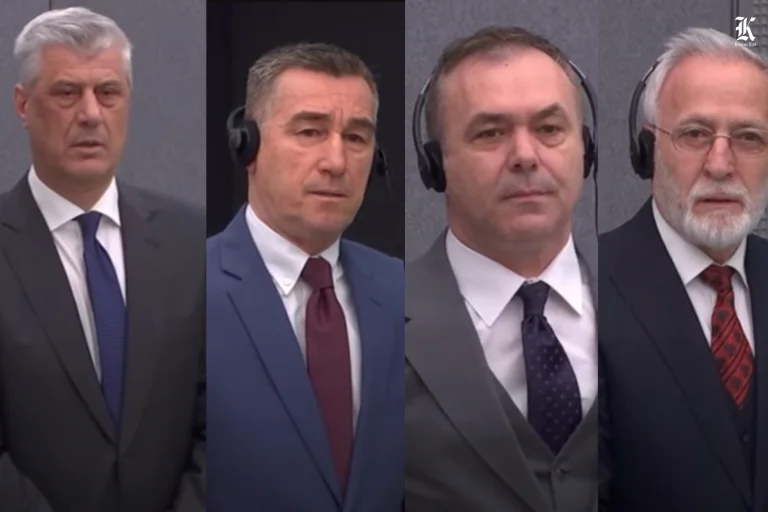
Four years tomorrow are due to the arrest of some of the highest figures of the Kosovo Liberation Army and Kosovo politics, including former President Hashim Thaci and former Parliament Speakers Jakup Krasniqi, Kadri Veseli, as well as Rexhep Selimi.
According to KMDLNj, the process is being effectively extended and is under way with serious human rights violations.
KMDLNj stresses that the principle of presumption of innocence has been violated, while most hearings have been held closed, excluding the public in 63% of cases.
“Procedures prolonged and biased for the principle of presuming innocence from the Special Court and Prosecutor's Office's Office recommended through public statements and interviews. The process in which the publicity principle is brutally violated by excluding the public in more than 63 per cent of the court hearings through closed session”.
The council also criticises editing defence materials and late Albanian translation, calling it a deliberate obstacle to effective protection.
KMDLN also raises concerns about the mistreatment of health and social detainees, citing cases where those arrested allow family visits only after the death of their relatives.
“Family and defence team lawyers have initially been hampered by denying their long-term visas. Health services have been offered late and only after being sentenced to long term sentences. Food is out of the traditional context and health needs”.
“Brutically humanitarian visits are being misused because, in not a few cases, The Hague hostages are allowed to visit members of their families only after they die suggesting they are visiting graves and not their most loved ones”.
The council calls for international monitoring of the conditions in which the accused are held and requires a fair and impartial judgment.