8 hours ago
INDEP: Kosovo facing energy poverty
Periskopi(2 years ago)
(2 years ago)The Institute for Development Policy (INDEP) organised the table on the subject “Energy Poverty and the right transition to Kosovo”. Burim Ejupi, executive director in INDEP, has stressed that these recommendations will be additional to access these policies in the future, reports Online Economy “for us these recommendations will be additional to accommodate these [...]
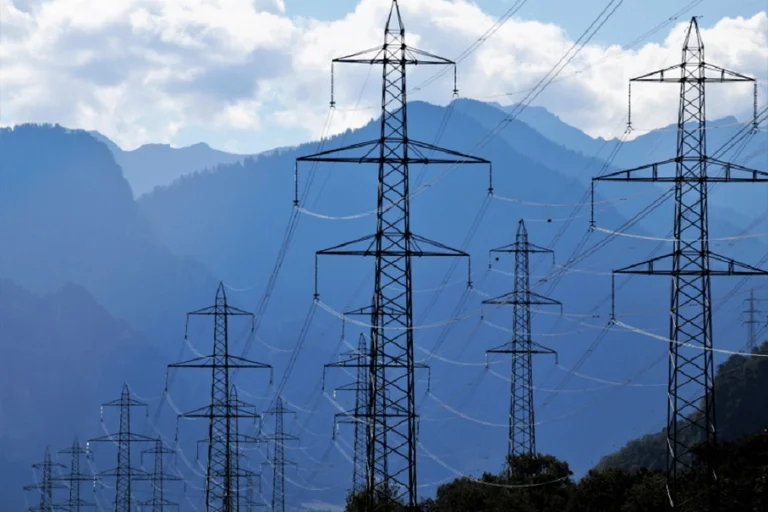
The Institute for Development Policy (INDEP) organised the table on the subject “Energy Poverty and the right transition to Kosovo”.
Burim Ejupi, executive director in INDEP, has stressed that these recommendations will be additional to access these policies in the future, reports Online Economy.
For us these recommendations will be additional to reduce these policies for years to come. It's the first time we've run electricity. As a civil society, we have a better position to occupy policy in the campaign”, Ejupi said.
Naim Buyup, senior researcher in INDEP, has said that energy poverty is an ongoing problem throughout Europe, especially in Kosovo.
According to statistics, Buyup has stressed that in 2022 over 41 million people in the EU are in energy poverty, while 7 % are in debt for bills.
This report has been a challenge to me by analyzing all elements in the energy sector. In the public record, we talk about the energy transition, but never about the impact. In Kosovo it has been discussed at the social level, but energy poverty is much more. Even there is no clear definition in our country, sure if it was something like that, institutions themselves would reduce energy poverty. Energy poverty affects low-income families that in Kosovo is more pronounced. The factors are low incomes, high energy costs and poor energy efficiency in buildings. About 40 million in Europe are in energy poverty. Or 9.3 percent of the population. While approximately 7% were in debt for power utility bills. The measures include targeted support for vulnerable families, renewable schemes and efforts to lower energy bills, ensuring that no one lags behind in changing to a neutral climate economy”, Buyupi has said. EO