9 hours ago
Agreement with Denmark for Gjilan prison, UN spokeswoman: Hazarding Prison Rights Sins
Periskopi(2 years ago)
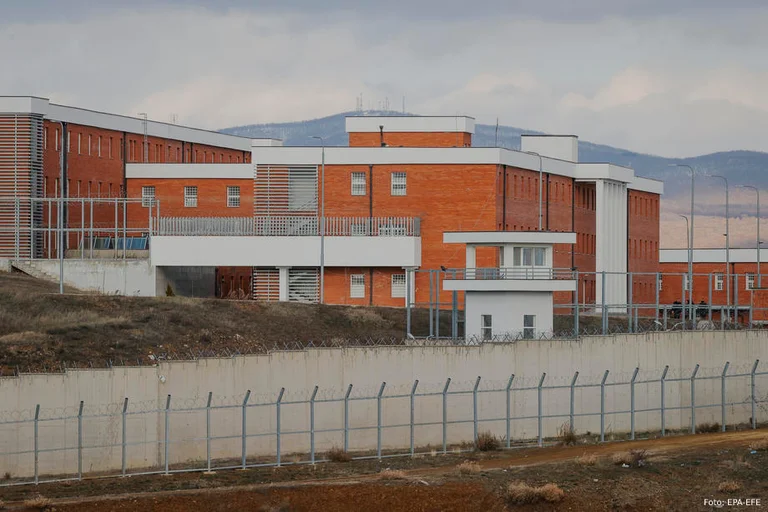
(2 years ago)The Office of the United Nations High Commissioner for Human Rights says the treaty between Kosovo and Denmark for the exploitation of prison in Gjilan for executing sentences for 300 people starting implementation next year constitutes discrimination. Denmark insists the sentence could be carried out within its international obligations. Prison [...]
Gjilan's prison is expected to be ready at the next year to host prisoners of various banned countries in Denmark. But the agreement continues to be criticised as violating human rights by the United Nations Organization and human rights activists.
The office of the United Nations High Commissioner for Human Rights (OHCHR) at the beginning of the year urged Denmark's Kingdom to refrain from renting detention facilities outside its territory and to ensure that prisoners are not discriminated against on the basis of nationality and family status.
The spokeswoman of the UN mission in Kosovo, Hayat Abu Saleh, says this agreement could lead to an increase in prison rights violations, including rights for non-discrimination, family life and health.
“This also raises concerns about human rights protection, including enabling effective independent monitoring under the United Nations Standard Minimial Rules for the treatment of prisoners (Medik Mandela) and other regional and international human rights instruments”, Abu Saleh told Radio Kosovo.
Furthermore Abu Saleh says the agreement raises concerns about the rights of Kosovo prisoners themselves, as statistics show prisons are at the borders of their capacity.
The UN Commissioner's office has urged authorities in Denmark and Kosovo to protect the rights of transfers, including ensuring the deployment of effective safeguards.
But authorities in Denmark say not everything has ended about the treaty with Kosovo.
Jens Høyer Jensen, media official at Denmark's Justice Ministry, says the Danish Parliament's Ombudsman will be involved in the entire transfer process.
“Burg will not be put into use until conditions essentially correspond to those of Danish prisons and that the sentence can be carried out within the” international obligations, Jensen told Radio Kosovo.
He says the Danish Prison Service suffers from a serious lack of capacity and staff. The agreement on Gjilan prison rent with the capacity for 300 prisoners helps solve this problem. It will also enable Kosovo to invest in the prison system and develop capacity in the area of rule of law”, Jensen has added.
Rina Kika, human rights and lawyer activist, Kosovo and Denmark's deal, sees it as very problematic by the aspect of human rights and strategically wrong on the part of Kosovo.
There should be no human rights trade to ensure investment in renewable energy and corrective service in exchange for violating the human rights of prisoners”, Kika told Kosovo Radio.
“Dianmarca, with the co-operation of Kosovo, is creating a dual system, divided only for non-danese prisoners, which presents discriminatory treatment based on citizenship”, she adds.
Agim Demiri, director of the Legal Department at the Correcting Service, says the fact that the treaty has passed all legal procedures is also estimated to have been reviewed by human rights conventions.
Until the execution of Danish sentences, possible obstacles to realising the” agreement cannot be identified, Demiri told Radio Kosovo.
The treaty between Denmark and Kosovo, which was ratified in June this year, envisions that prison will be put to use up to 26 months from its ratification.