7 minutes ago
Study: Media situation in Albania, Kosovo deteriorating
Periskopi(3 years ago)
(3 years ago)The media situation in Albania and Kosovo in recent years has deteriorated, Lindita Camaj, professor of journalism at Houston University's Faculty of Communication, which is conducting a study on the press situation in these two countries, said in an interview. Among the main problems it lists difficulties [...]
The media situation in Albania and Kosovo in recent years has deteriorated, Lindita Camaj, professor of journalism at Houston University's Faculty of Communication, which is conducting a study on the press situation in these two countries, said in an interview.
Among the main problems it lists journalists' difficulties in accessing information and official documents.
We're looking at the way national televisions in Albania report evening news. Two thirds of the news in Albania has a source and are biased, which is more or less alarming”, she says.
According to the study, in Albania, the government is the main source of television news.
This shows that even though we have media plurality, news reports report unilaterally, there is no plurality of resources in reporting news. This is problematic because there are no variety of voices or approaches that lead to different prospects. The perspective comes mainly from government or power, and this is problematic”, Mrs. Camaj says.
The challenge for both countries remains the fight against corruption and the lack of accountability by public officials. Asked about the role of media to awareness public opinion on these issues, Professor Camaj noted the lack of investigative research in Albania and Kosovo.
Only a limited number of media conduct investigative journalism and there's that problem of corruption, and yet they're issues that deal with how media are managed and access to information. I have to stress, a case from Kosovo, coming from BIRN or Calxo. com, which is the model of corruption reporting”, she said.
Regarding Klan Kosova television, Mrs. Camaj said he welcomed the Commercial Court's decision in Kosovo to postpone the government's implementation of the decision to suspend this television's certificate, but said the case could affect media freedom.
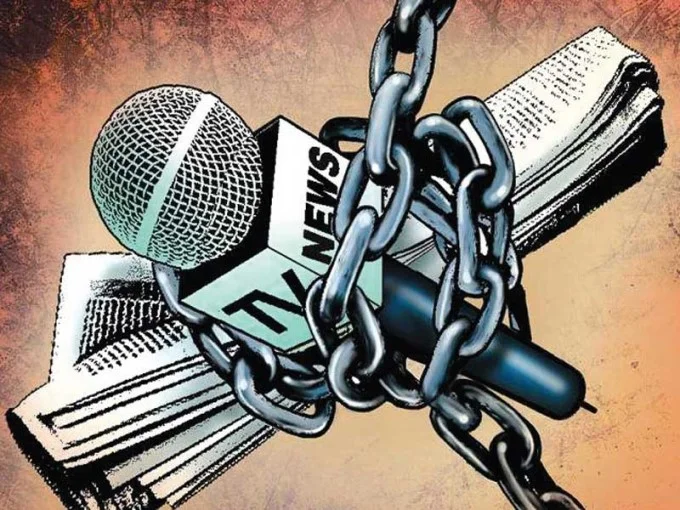
I think there may be harmful consequences for press freedom in the country, the way the government can use its power to silence the media and journalists who are critical of the government. The way the government has dealt with this case has been accelerated and is seen to some extent as a political decision and has nothing to do with issues that are highlighted - the census. It is alarming how the government can exploit its position to pressure the media, economic and political pressure, on media that are critical of”, she stressed.