13 minutes ago
Children seeking money on the streets of Kosovo: Abused and Moved by Parents and Poverty
Periskopi(3 years ago)
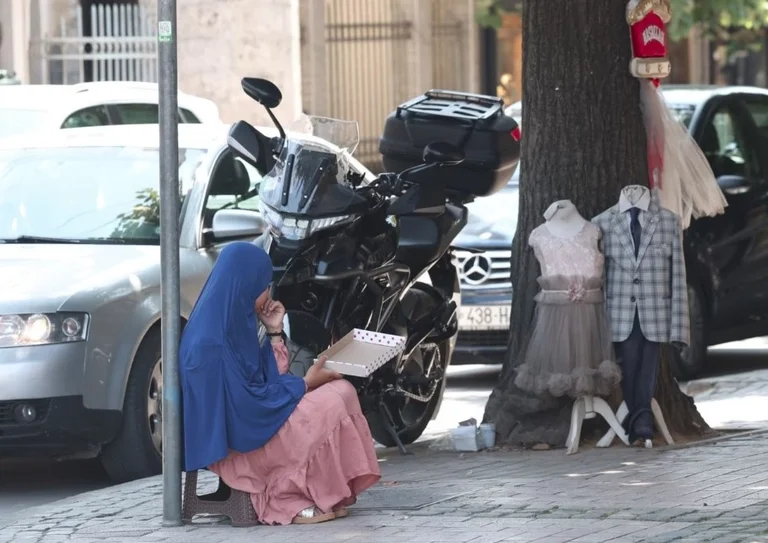
(3 years ago)The smell of meatballs and oil burned on cobbled streets near the fountain in Prizren is often accompanied by the voice of children seeking money from people sitting in restaurants in that tourist area. Despite recent high temperatures, some children wait even near traffic lights for cars waiting for [...]
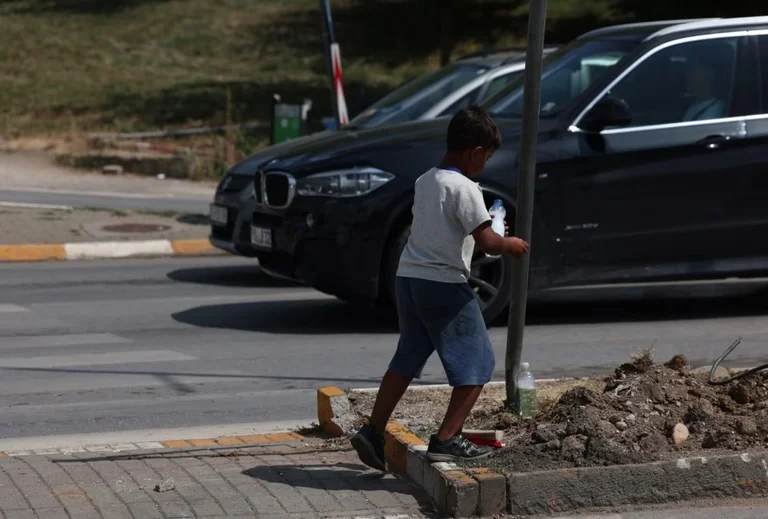
Despite recent high temperatures, some children wait near lights for cars that stop waiting for green light. With bottles full of foam, they try to persuade drivers to give money in exchange for cleaning glass, reports the REL.
But these kids aren't everyone...
In the US State Department report on trafficking of people in Kosovo, it is said that the target of traffickers in the country is particularly children from marginalised Roma, Ashkali and Egyptian communities.
This has been confirmed by the Ministry of Internal Affairs, which heads the National Against Trafficking in Men.
Nora Fetos, spokeswoman from this minister, has told the REL that children of these communities “are vulnerable to forced begging, but also sexual trafficking”.
However, the official for communication at the Ombudsman's Institute, Petrit Colak, says that despite Serbia's <x0fefijre Roma, Ashkali and Egypt may be more vulnerable”, this cannot be proved “because few are known for the actual number and profile of children in the Kosovo situation”.
“Disidentification of them and lack of data around them makes them invisible “before the law and deprives them of the rights guaranteed by legislation in force, including health, education and social services. Consequently, the situation of children in the street situation in Kosovo constitutes serious human rights violations”, Colak says.
According to statistics provided by Kosovo Police, only during this year's January-June period have 41 children been identified asking for charity.
But Colak points out that identifying such cases is not easy.
Many of them are on the move (indoor or cross-border migration), as well as some are not registered in birth records or have no personal identification form”, the ombudsman has said.
Osman Osman Osmani, who has dedicated the last 22 years of his life to the struggle to raise the quality of life of children from these communities, says the situation has deteriorated in recent years.
In the '80s or '90s, this has not been the case. There has been poverty in those days, but there are very rarely any families whose children have been moved to do these jobs. These phenomena, unfortunately, I'm seeing the last ten years the most pronounced”, says Osmani, leader of the nongovernmental organisation Nevo the concept, working for Roma, Egyptian and Ashkali children's rights.
Why these kids?
At a daily centre for children in the road situation, managed by the organisation Terre des Hommes in Pristina, about 250 children receive food shots every day. Some 90 percent of children in this center belong to the Roma, Egyptian, and Ashkali communities.
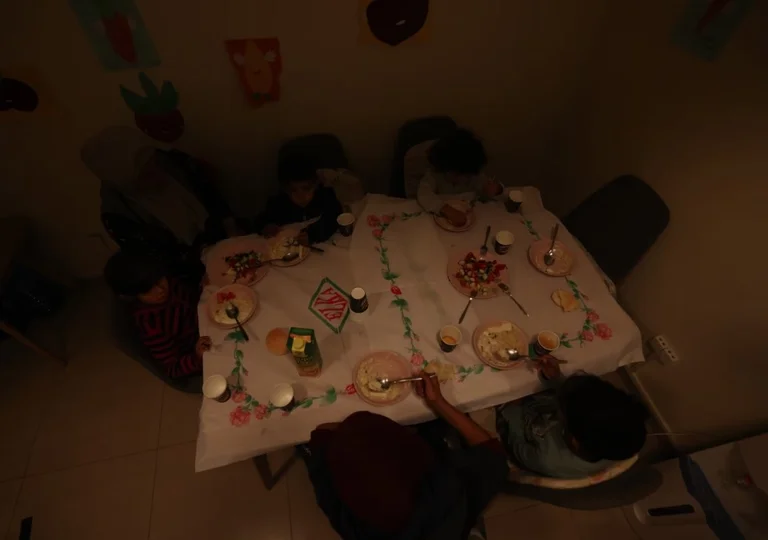
Since he is also a member of the Roma community, Osmani says he is the true “concerned by this situation”. According to him, the key factors that have led to this point are poverty and “the very long discrimination in society”.
According to the UN Office on Drugs and Crime, people who come from <x0m of extremely poor family, dysfunctional families, or without family attention” can be most easily exploited for begging on the street or forced labour.
The economic situation among the Roma communities -- Ashkali and Egyptian -- has become even worse than the COVID-19 pandemic in Kosovo, according to a study conducted by the organisation Foleja. According to the study, only about 12 percent of the members of these communities benefited from state aid in coping with COVID-19, while a lot of people lost their jobs”.
Riza Murati, from the Directorate for Investigation of Human Beings in the Kosovo Police, says that exactly the harsh economic and social conditions in the family are the reasonings they hear most during the investigation of these cases.
These are the main factors they [children] are on the street. They are mostly children who do not have the proper care of their family but also the surroundings. They abandon school, and as the only road, they have to be on the road”, Murati says of the REL.
To identify the profile of children in the road situation in Kosovo and identify the reasons that have led them towards the situation, the United Nations Children's Fund's Office in Kosovo (UNICEF) has started Research for Children in Kosovo Street Situate.
Who abuses these kids?
Driven by poverty, data indicates that in most cases it is the parents themselves who push their children out on the streets to seek charity.
“Parentes should seek help, support in institutions, and not use children to achieve their goals, to seek charity or other”, says Murati, who adds that about 90 percent of the cases investigated have resulted in the very family of children being abused.
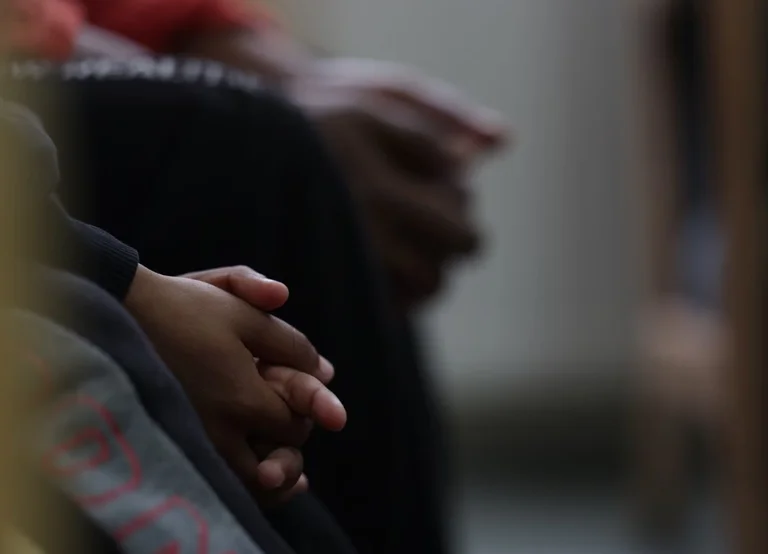
According to the Criminal Code in Kosovo, “anyone who participates in trafficking people is fined and sentenced to imprisonment of five to twelve years”.
However, Murati explains that according to the legislation in Kosovo, when children are forced to go out on the street to ask for gifts from their own parents, they are then charged with criminal acts for mistreating the child.
And the punishment for that is lower. According to the Criminal Code, if the child is forced by the parent to perform inappropriate work or to seek charity, the parent is fined and sentenced to imprisonment of one to five years.
In the U.S. State Department's report on human trafficking, classification of these works as <x0-negotiation or abuse by parents” and not trafficking with people is highlighted as one of the criteria Kosovo has not met to list among countries struggling best with human trafficking.
Although he himself holds parents responsible for the “lack of conscience that children should be at school, associate, and play with peers rather than on the streets, seeking charity”, Osman finds it difficult to find one blame.
The “is quite a big problem that we have to devote ourselves to and work on because we often ask who is guilty. Often, though, the wrongdoer is an orphan. The guilty are all”, Osman says.