6 hours ago
How to Quit Smoking
Periskopi(3 years ago)
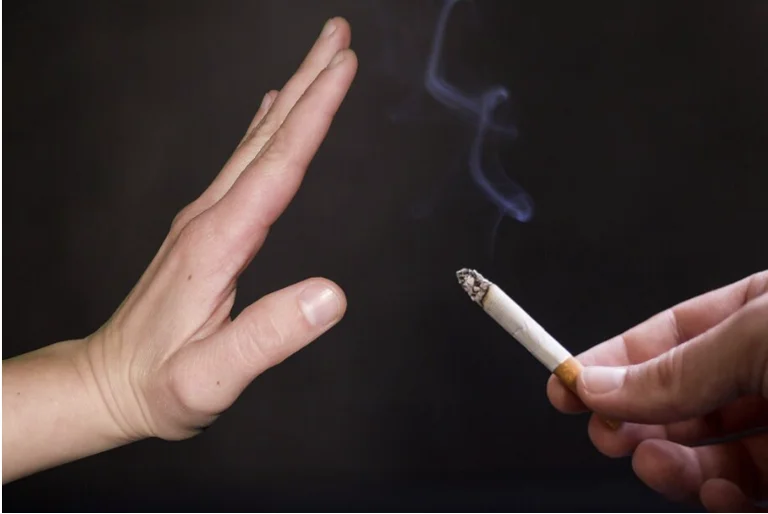
(3 years ago)Quitting tobacco is good for your health. But how? Here are some of the best methods. Anyone who has tried to quit smoking will tell you how difficult it is. There is always temptation to smoke with a friend with a glass of beer or coffee, or to escape work [...]
Anyone who has tried to quit smoking will tell you how difficult it is. There's always a temptation to smoke with a friend with a glass of beer or coffee, or to escape work for a short “tymot”
A recent study says 60-75% of people resume smoking within six months after trying to quit. Like other forms of addiction, quitting is a difficult psychological battle. But the health benefits of long-term ambition are great.
Smoking is one of the biggest killers: Some 14% of worldwide deaths are attributed to tobacco - related diseases, according to World Health Organization data in 2019.
“Smoking is a major global health burden. There will be a billion deaths worldwide in this century from tobacco-related diseases unless we lower smoking rates,” says Hasel Cheeseman, deputy executive chief of Action on Smoke and Health (ASH), based in Great Britain.
Why are you addicted to cigarettes?
When I smoke a cigarette, burning tobacco releases nicotine, which enters the bloodstream through the lungs. Nicotina is taken to the brain, where it activates so - called nicotine receptors of acetilcolinis. Activating these receptors causes release in the brain of neurotransmitters, such as dopamine.
The release of dopamine does not necessarily cause dependence. But when it operates on a specific part of the brain where our so-called reward system is located can cause addiction.
And that's how addiction works: When nicotine triggers the release of dopamine in the reward system, a rewarding feeling, such as a mini-stimulation, can be created. Any cigarette you smoke reinforces that feeling by making you want cigarettes, and you become addicted to them.


So when we want to stop smoking, we need to break this relationship between cigarettes and the reward sense. It's hard. Any help you can get to make it work for a long time is needed. But it's possible.
Interventions to Stop Smoking
There are two main ways to break the psychological link to cigarettes: will and self-discipline. You may also use a therapy to satisfy nicotine's wishes without health problems associated with active smoking.
There are three kinds of therapies.
First of all, there are nicotine replacement therapies, such as nicotine-letucopics, chewing gum or inhalors that slowly release nicotine, stopping the desire to smoke. Nicotine itself is not harmful, harmful is cigarette smoke.

There are also medications, such as dancin and July.
Varnenicine promotes the release of dopamine on the path of the reward, imitating the reward of smoking and removing some of the symptoms of nicotine abstinence.
Corruption operates in a similar way, but through a different neurotransmitter system known as GABA, which controls brain activity.
Although drugs are more expensive treatment, they are extremely effective when you see the impact of smoking in health and health systems,” says Cheeseman.
Is electronic cigarettes good or harmful?
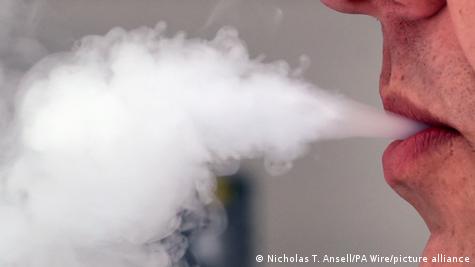
Electronic cigarettes have a strange reputation when it comes to quitting. There is good evidence that electronic cigarettes can help stop smoking. But they are not a licensed medical product, so they are not treated as drugs,” said Ceeseman. But electronic cigarettes may create new addictions or be a smoking gate. There is much evidence that teenagers who use electronic cigarettes are more likely to start smoking once.

Try everything to quit smoking, all at once.
Scientific consensus says it's best to combine all methods at once. This has been confirmed by a 2020 analysis of more than 700 clinical studies.
Each one has his own way to quit smoking, one doing so with therapy, the other without help. Someone else might take some time to find the right way, but the main thing is: Would you like to quit smoking? / DW