13 minutes ago
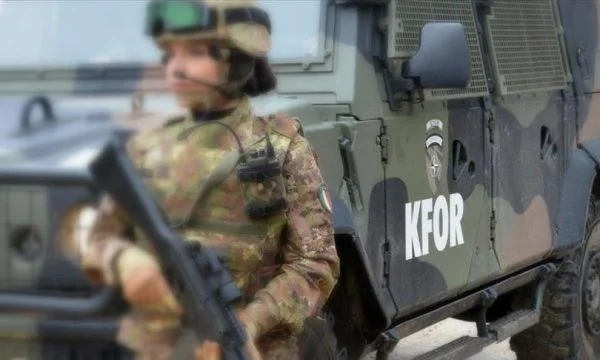
KFOR: Low police presence in the north is responsibility of Kosovo institutions
Periskopi(3 years ago)
(3 years ago)KFOR will be co-ordinated with the Kosovo Police for the possibility of furthering police presence in and around municipal objects in the north. Peacekeeping Mission NATO says reducing the police presence under the recent agreement is the responsibility of Kosovo institutions. Prime Minister Albin Kurti said police will take themselves [...]
KFOR will be co-ordinated with the Kosovo Police for the possibility of furthering police presence in and around municipal objects in the north. Peacekeeping Mission NATO says reducing the police presence under the recent agreement is the responsibility of Kosovo institutions. Prime Minister Albin Kurti said police would make their own decisions on the issue.
Kosovo has reduced the police's presence to and around municipal objects on the basis of an agreement reached earlier this week between Deputy Prime Minister Besnik Bislim and the European Union's minister for dialogue, Miroslav Lajcak.
Under this agreement, Kosovo police will regularly make joint security assessments with EULEX and with KFOR in the case, to assess the possibility of further reducing the police presence there.
KFOR responded to Gazeta Express's interest in this regard. In question of whether police should make decisions of this nature in co-ordination, the peacekeeping mission NATO in Kosovo said this issue is “the responsibility of institutions in Kosovo”.
The potential 25% reduction “is the responsibility of institutions in Kosovo and is based on the process of dialogue facilitated by the EU between Pristina and Belgrade for the despass and normalisation of relations between the” parties, KFOR's response reported.
KFOR units are fully equipped and ready to deal with any” situation, said further in response.
KFOR says it is continuing to implement its mandate taken by the UN “impartially to ensure a safe environment and freedom of movement for all communities in Kosovo”.
Kurti: Law - rule decisions in the north take police themselves
Prime Minister Albin Kurti was asked on Wednesday about the agreement agreement that obliges the Kosovo Police to make regular assessments with EULEX and KFOR on the further reduction of police presence in the north.
Kurti said police would make their own decisions on the situation.
“Decisions for rule of the law take the police themselves”, he said.
“We what we agreed on in Bratislava is that after these two weeks they can reduce the presence of the Police”, Kurti said.
What did the EU and Government say about this point?
EU press official Zoï Muletier told Gazeta Express on Tuesday that Deputy Prime Minister Besnik Bislimi and European Emissari Miroslav Lajcak agreed on the first steps Kosovo should take for the extension of the situation.
“They agreed to Kosovo's first priority steps in all these 3 areas”, she said.
The areas Bislimi and Lajcak agreed on include “the immediate reduction of police presence in and around municipal buildings”. Also, as Muletier said, Kosovo will regularly make joint security assessments with EULEX and with KFOR on the case, to assess the possibility of further reduction of the police presence “by not undertaking any movement that could escalate the” situation. Similarly, Kosovo must prepare for early local elections.
On Tuesday, the Kosovo government announced the agreement reached.
Kosovo's “Police, along with EULEX and KFOR, will, according to the need, assess the security situation, in particular, to look at the possibility of reducing police presence in the region and about municipal guidelines”, said at the second point, according to the Government.