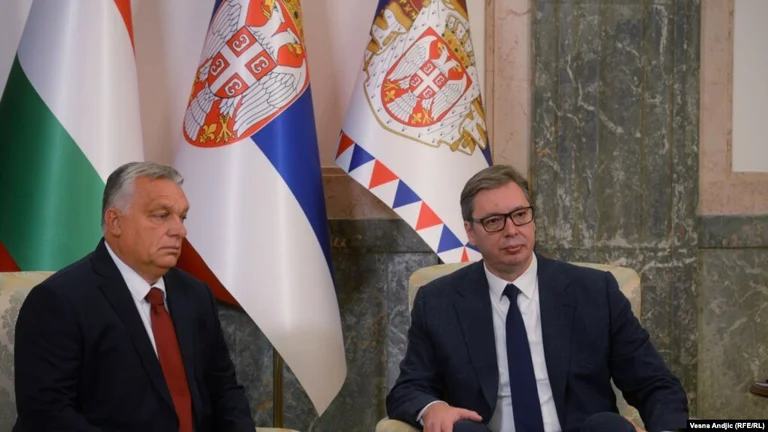

With respect, I beg you dear Aleksandar to think this through. Serbia's enemies are eager to hurt Serbia, and this is a situation and the case that I think would be better for you to hear Hungary's recommendation to return them to Kosovo”, Obra said in Subotica, during meeting with Serbia's top officials.
He added that this would help Serbia “in its cause”.
Therefore, I am asking you to think about this”, Orban said.
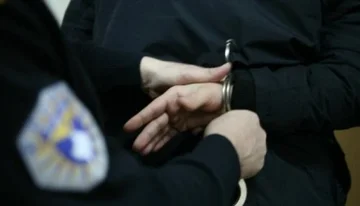
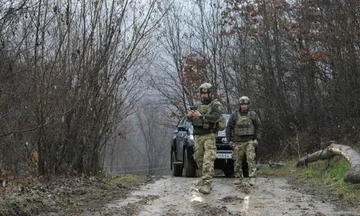
On 14 June, three Kosovo border police officers were arrested by Serb forces. Serbia said they were arrested “deep” within its territory, but Kosovo said they were patrolling on Kosovo's territory, near the border line with Serbia on Leposavic.
According to Serbian authorities, police allegedly committed criminal acts -- production, possession, possession and illegal trafficking of weapons and explosives.
These violations are punishable by up to 12 years in prison.
The United States, Germany and the United Kingdom have asked Serbia to free Kosovo police officers, unconditionally.
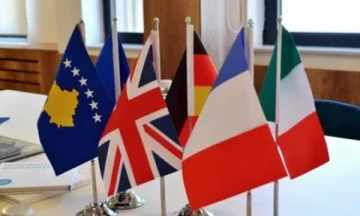
Orban also said Hungary, which recognises Kosovo's independence, and Belgrade still refuses to accept it, is conveying events between Kosovo and Serbia.
We are seeing what is happening to Serbs. I think it is unacceptable for the international community to accept elections, where about 4 per cent of voters have participated, and consider them legal and recognise the results. This is what we see and it's clear to us”, Orban added.
During the media conference with Orban, Serbia's president, Aleksandar Vuciq, said that in the case of three arrested policemen, he is working “with competent authorities”.
He added he would consider any request of Hungary.
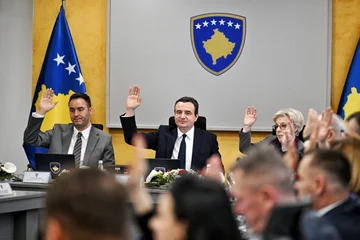
Vuciq reiterated that he will not meet with Kosovo Prime Minister Albin Kurti, following the invitation sent to two leaders from the European Union for a crisis management meeting.
Brussels' invitation to Vucinqi and Kurti came after increasing tensions in Serb-run northern Kosovo.
On 26 May, Serbs rejected the entry of new Albanian mayors into the Zvecan, Leposaviq and Zubin Potok municipal buildings.
The new leaders were elected in the April 23rd elections, which were boycotted by Serbian parties and populations in the north.