23 minutes ago
Northern situation and Kosovo-Serbia dialogue, EU foreign ministers gather
Periskopi(3 years ago)
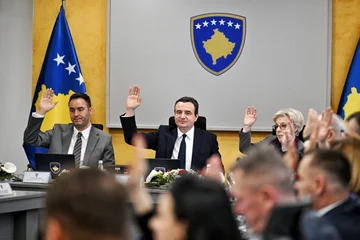
(3 years ago)The European Union's foreign ministers will discuss dialogue between Kosovo and Serbia on Monday, and the recent tensions between the two countries. According to Radio Europe Free's diplomatic sources, the ministers will have <x0-second thoughts about the Pristina-Belgrade dialogue, following increasing tensions in northern Kosovo”. It is expected that before the ministers [...]
According to Radio Europe Free's diplomatic sources, the ministers will have <x0-second thoughts about the Pristina-Belgrade dialogue, following increasing tensions in northern Kosovo”.
It is expected that EU Chief Diplomat Josep Borelli will report before the ministers and then continue discussions on the subject.
No formal conclusions or decisions are expected, in addition to discussing measures the European bloc can take to convince the parties to take immediate steps to reduce tensions.
The European Union has expected that there will be a drop in tensions after the last meetings Borrell has had with the two leaders in Brussels a week earlier.
The leaders have not met each other, but only with Borrell, alone.
Tensions in northern Kosovo have increased since May 26th, when young Albanian mayors in the north ʹ inhabited by Serb majority have entered Zvecan municipal buildings, Leposaviqi and Zubin Potok.
The Serb population, which has boycotted the elections, has rejected the mayors' move and has constantly held protests in front of the buildings.
Tensions have increased even more when Serbia's authorities have arrested three Kosovo Police members.
Kosovo has said it is a kidnapping, Serbia has said police officers have been arrested on Serbian territory.
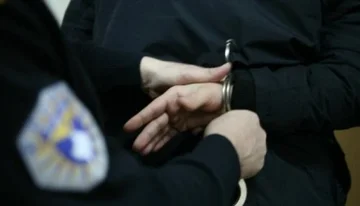
In recent days, Kosovo authorities are arresting several members of the Serb community, who allegedly took part in violence against members of the NATO mission in Kosovo, KFOR, the Kosovo Police and journalists reporting from the north.
Serbia and members of the Serb community in Kosovo consider these arrests arbitrary.
The international community has called on Kosovo and Serbia to urgently reduce tensions and for Pristina to organise new elections.
The situation in Kosovo and facilitated dialogue by the EU will also be a topic of discussion at several other high-level EU meetings this week.
The EU's special envoy for the dialogue, Miroslav Lajcak, and European Commission Director General for Enlargement Jan Koopman, will participate in a discussion with the European Parliament on recent developments in reports between Kosovo and Serbia.
This discussion will be held on the Foreign Policy Commission.
It is also expected to talk about recent meetings conducted with Kosovo Prime Minister Albin Kurti and Serbia's president, Aleksandar Vuciq, but also about measures the European Commission has already begun to undertake against Kosovo as a punitive measure for developments in the north.
So far some joint meetings between the European Commission and Kosovo have been cancelled, which exist under the Stabilisation and Association Agreement.
The situation in Kosovo and the process of normalising reports between Kosovo and Serbia are expected to be a topic of discussion even at the European Council summit, the summit of leaders of member states.
Something like that, according to EU diplomats, shows commitment, but also the bloc's concern about the situation in Kosovo and the reports between Pristina and Belgrade.
Of these meetings, Kosovo and Serbia are expected to be called for immediate reduction of tensions and return to dialogue.
However, the two countries are also expected to be reminded of the consequences they may have if they fail to prove their will for prudent and constructive conduct.