44 minutes ago
Interview: Dr. Gorazd Konjanovski Clinic Jean Mitrev has played a key role in establishing foundations in cardiosurgeology, and it is recognised and appreciated even abroad
Periskopi(3 years ago)
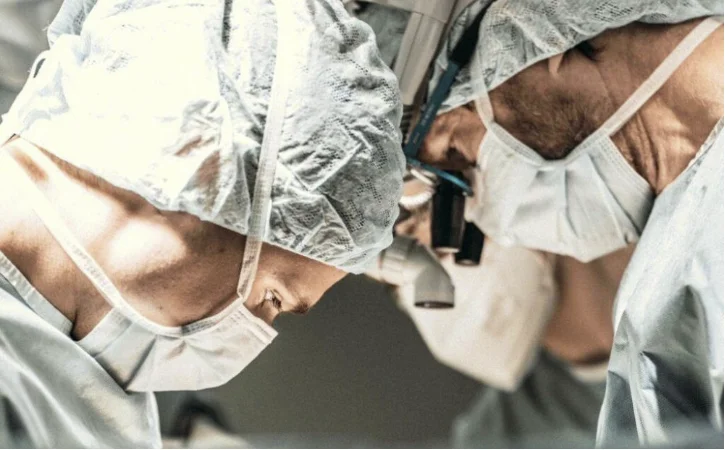
(3 years ago)For cardiosurgeons in Macedonia, for young specialists, for Macedonia's access to cardiology and professional growth, but primarily for relationships with young patients and doctors, speaks one of the youngest specialists in the field of cardiosurgeology Dr. Gorazd Konjanovski, part of the medical team at Jean Mitrev Hospital. You [...]
For cardiosurgeons in Macedonia, for young specialists, for Macedonia's access to cardiology and professional growth, but primarily for relationships with young patients and doctors, speaks one of the youngest specialists in the field of cardiosurgeology Dr. Gorazd Konjanovski, part of the medical team at Jean Mitrev Hospital.
You are one of Macedonia's youngest cardiosurgics specialists, what drew you to this area of medical practice?
I had expressed my interest in cardiosurgeon even before I knew what cardiosurgeon meant. As incredible as it sounds, an incident from my childhood determined my current profession. When I was about 7-8 years old, my grandfather, who was an ophthalmist, was operated at the then “Phili II”. My grandfather was carried out by aorto-connerar by Dr. Jean Mitrev and after that, the operation lived another 16 years. When he returned home after the operation, he had brought with him a videocassette with the inscription “1000 open-heart operations in the Republic of Macedonia”.
Ever since that day, while all my friends were watching cartoons, I watched that tape, I watched those operations, and even though I didn't understand anything, that's all I saw. Even in those years, at that point I spoke and said that when I grow up I want to become a doctor for my heart as Dr. Mitrev. And so it was carved into my being, love and interest in cardiosurgeons developed unclearly and never lost.
When I was in 8th grade, I had a strong desire to meet Dr. Mitrevin, and this desire was realized, he waited for us and told me that one day I wanted to be like him and asked him for advice on what I should do, and for that he answered Studio and listened to your heart. So I did, I didn't give up my wish at any moment, so today I'm living my dream. Now I'm a major cardiosurgeon under Dr. Jean Mitrev at Clinical Hospital Jean Mitrev.
How do you view cardiosurgeology? What should be done for cardiosurgency to develop in Macedonia?
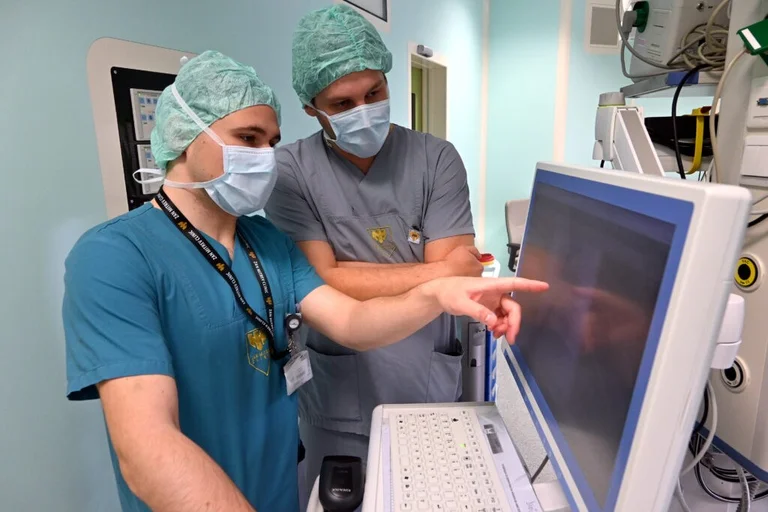
Cardiosurgy is a branch about which nothing can be done without medical treatment. Every day we face various cases where operating treatment is inevitable. It is true that interventional cardiology is on the rise, but it is far from being able to replace operational treatment. We have had not a few times when we had to react urgently because of some interventional or similar procedures. Hence, while it may seem simpler or less dangerous, operating treatment is sometimes much safer and less dangerous than an interventional approach. I say this because the patient always takes first place.
When it comes to such serious matters, extensive observation and consultation with a doctor is necessary. In Macedonia, cardiosurgia has developed intensively in the last 20 years. Our clinic has played a key role in laying the foundations in cardiosurgeon, and these efforts are known, respected, and valued beyond the borders of our country. Of course, we as a country have a specialised cardio health institution known in the world and I hope that in the future the health system in our country uses even more opportunities to develop this branch through the educational and scientific force that we can offer.
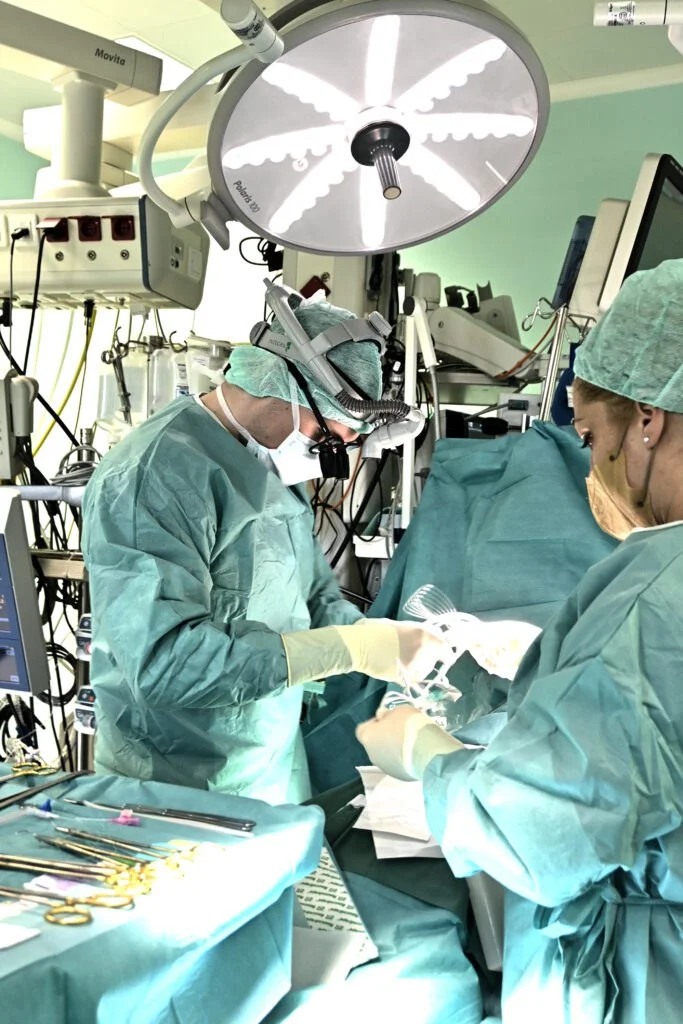
You started your practice as cardiosurgeon specialist at the Jean Mitrev Clinic, what are the possibilities for development and professional advancement in this environment?
Yeah, right. I started my practice right at this hospital in a very difficult time for all of us, at the height of the Coddy pandemic. A year later I received specialization. But quality and success in life require sacrifice. You will hear from a lot of young colleagues that it's very strict here, that it's hard, that it's long work and so on. And that's because they work here high-level professionals with a lot of commitment and sensitivity to patients, so the environment itself is very demanding and a filter that allows only the best and most dedicated staff to work at this health institution. Speaking of that, development and professional growth are inevitable.
You've been part of public and private health, can you make a difference of them? What are the possibilities for advanced cardiosurgeon in public and private health?
Unfortunately, differences are diameter. I mean health in general. Among people there is a survey that is safer when you go to private health care. And unfortunately it is. The reasons are many, the problem is multifractorial. Of course there are professionals, a lot of them were my professors from whom I learned. It seems that there is no real concept, working conditions and discipline for the development of state health, and I think that stable state health is the key to building health image in one country. I don't have a working experience in state cardiosurgeons, but I can talk about what's happening to us. In less than two years, I have personally assisted about 650 cardiovascular operations.
This is almost 10 times more than the program planned in cardiosurgeons offered by universities worldwide. Such a work dynamic, and thanks to higher learning, enabled me to learn and do professional work designed in the advanced years of specialization. As a clinic, we are also working on a project involving several European universities and professors from Europe for developing artificial intelligence in cardiosurgeology. At the level of the science club, there are constant lectures taking into account protocols and the latest working trends in medicine, educational worker/seminary. We also organized important conventions for our educational development. We are actively involved in publishing scientific works. I think that says everything.
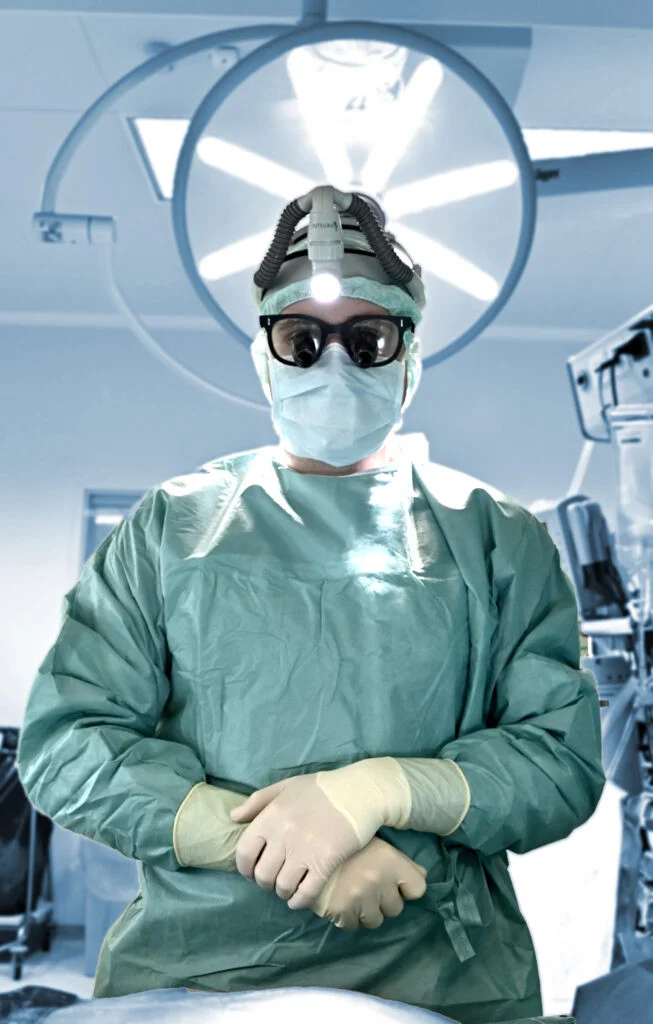
What are the possibilities for advancing new specialists in Macedonia -- what is needed to stay and work here in Macedonia?
First of all, you should love your country and want to invest your work here. In medicine, if you do not put the patient first or if you have no sensitivity to him, you have chosen the wrong profession. In general, in the course of new specialists, I mean primarily public health because they are present at a larger number, and many things need to be radically changed. New doctors must be respected by health authorities, their work must be assessed, and they should have a real chance to do what they want. Well, aren't the requests of young doctors to stay, work, and create in their own country modest? That's why I stayed in Macedonia because I got this at the clinic where I work.
How much does the situation affect your accusations and pressures on your clinic and work?
No one gets hurt by injustice. We know how and what we went through that period of two years. We know how people prayed for a plus bed. We know what it means in 2 weeks to even be seven times out of 24 hours in superhuman conditions with masks, scans and breathe under the mask. We also know how we managed to perform operations without delay on conditions where no one else was operating. So now when you see that some of the patients you've done everything to save their lives by blaming you, that certainly affects you.
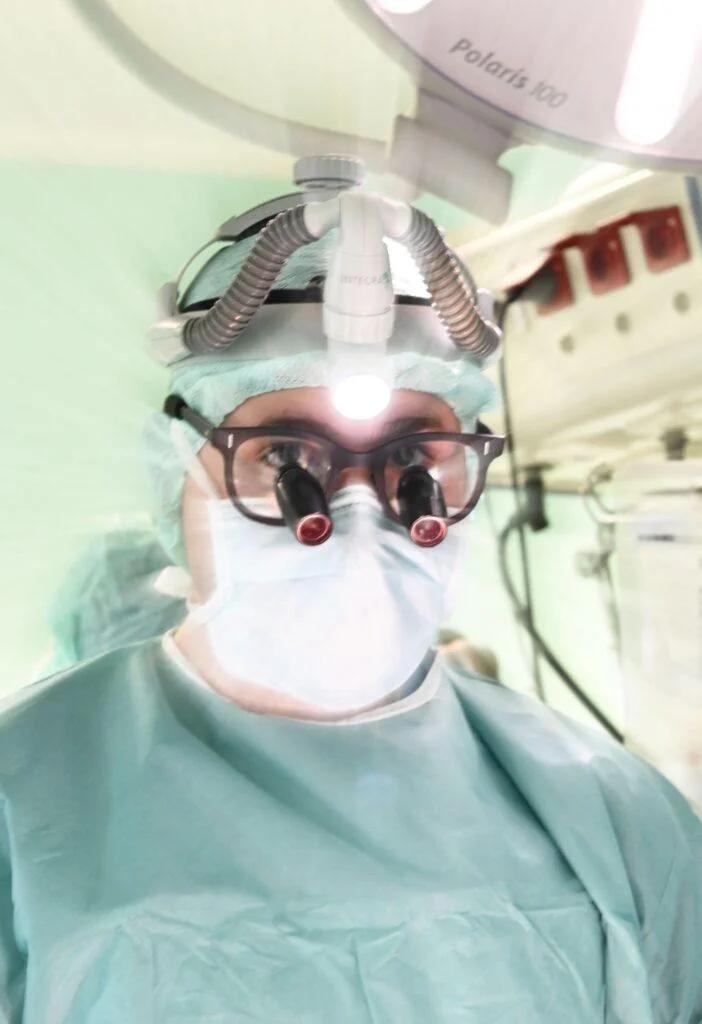
In other countries, there are statements of protection from the responsibility of health workers who have acted in emergency conditions like pandemics and similar cases. Despite the recent developments in our country in seeking medical responsibility, what do you think of this, is it necessary?
During David's pandemic, he experienced worldwide agony. The daily struggle was too great to fight as a physician with an unknown disease. Work protocols differed from day to day, there was no standardization of things, no knowledge of what was not right, so from previous experiences we tried to help patients in every way. From there I believe that this decision is indisposed and justified in our country.