2 hours ago
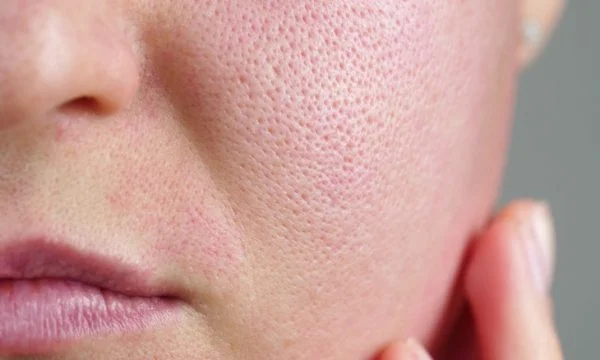
Why do the pages become red after drinking alcohol?
Periskopi(3 years ago)
(3 years ago)A new scientific discovery explains the possible biological reasons why people develop facial rash and why it is more pronounced in some people. So the genome that causes the redness of the pages, for example. It also affects alcohol abuse in the organism and in circulation. The effects of alcohol, on the other hand, are softened [...]
A new scientific discovery explains the possible biological reasons why people develop facial rash and why it is more pronounced in some people.
So the genome that causes the redness of the pages, for example. It also affects alcohol abuse in the organism and in circulation. The effects of alcohol, on the other hand, are greatly softened for most people by an enzyme called aldehid dehydrogena mitocondrial (ALDH2). It breaks down alcohol into less harmful compounds in a multistep process first, ethanol is transformed into acetaldehyd compound, and then broken into aceta.
Thus, this enzyme represents a kind of protection against the harmful effects of alcohol.
However, for people with a variant called This process is not that simple. Their enzyme has greatly reduced function and, as a result, toxic acetaldehyde can stay in their bodies much longer, causing more serious consequences from overdrinking (and a worse hungover). This option is virtually lacking in people in most of the world, except East Asia, where the version of enzyme is present in about a third of people.
People who drink, despite having this genome, are at an increased risk of cancer and also stand a chance of up to 48% higher for heart disease, doctors warn.
The research, whose results are published in Science Translational Medicine magazine, combines two different studies conducted on mice with an analysis of Biobank genomes in samples from Japan and the United Kingdom.
How this all relates to ALH2 remains to be clarified. To discover this connection, researchers led by Joseph Wu, a doctor and director of the Cardiovascular Institute at Stanford, conducted a genome analysis of 29,319 cases of people with heart disease.
After confirming the link between the ADH2****2 version and heart disease, scientists stopped at samples of 9 affected individuals. After a standard drink, subjects were found to have reduced function of endothelial cells, which plays a key role in determining the risk of a common type of heart disease ] coronary artery disease.