16 minutes ago
Get to know alcohol that relieves stress and improves your mood
Periskopi(2 years ago)
(2 years ago)Thanks to modern technology and frequent travel, our contact with the rest of the world grows, we discover more and more elements of other peoples and cultures, and we learn to integrate into our daily lives. Special eating habits are not exempt from this reality. At the discovery of Matcha's tea, a tea [...]
Special eating habits are not exempt from this reality.
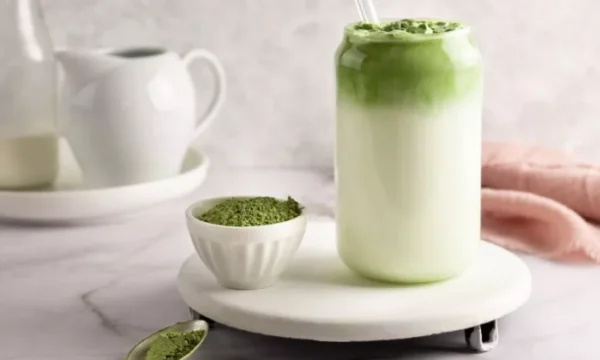
In the discovery of Matcha tea, a traditional Japanese tea often used by Buddhist monks with the aim of maintaining their clarity and tranquillity so that they can afford long hours of meditation.
This use of it is by no means random, since Matcha is isolated for the benefits it can offer to human health, since, among other things, it increases mood and mental performance and alleviates stress.
Researchers from Japan conducted a new study, specifically seeking to study the potential benefits of this tea's depression.
Depression is the world's most common mental disorder today, with the number of people facing increased depression symptoms on a dramatic scale.
Although the causes of depression vary among individuals, mental illness is usually attributed to a drop in brain dopamine, a neurotransmitter hormone that plays a key role in improving mood and fostering feelings of joy and happiness.
To cope with “macth” of depression, a number of different antidepressants have been created, which, however, represent two major disadvantages; first, they have multiple and serious side effects; and second; the human body develops resistance over time, as a result of which are increasingly high doses or frequent changes in treatment.
These problems have led researchers to seek other non - pharmaceutical substances that can help alleviate symptoms of depression.
Matcha has recently gained popularity as such because the Camellia synesis leaves from which it is produced are rich with mood - improving ingredients.
The research team used stress-sensitive mice that underwent an experimental test of social stress.
Matcha's oral tea powder management was shown to reduce anxiety-like behavior by activating dopamine function through signaling D1 receptor.
The findings were published in Nutrients.
Deeper in their findings, researchers noted that drinking this tea activated the pre-balling cortex and the accumbens core, two essential areas for controlling dopamine levels in the brain.
These results, however, were confirmed only in stress-sensitive mice, as the most resistant showed no change.
Moreover, it was found that managing a D1 receptor blocker overturned the antidepressive effects of Matcha tea.
Dr. Yuki Kouruchchi of the Kumamoto University concluded that “magcha tea button exercises an antidepressive effect by activating the dopaminergic system of the brain depending on the individual's mental state “.
He is optimistic about the future of this scientific test, arguing that more studies like this can help develop better antidepressants, who focus more on the particular characteristics of each person's mental state.