9 minutes ago
After suspension of the Special Unit protest, talks Police Union Chairman
Periskopi(3 years ago)
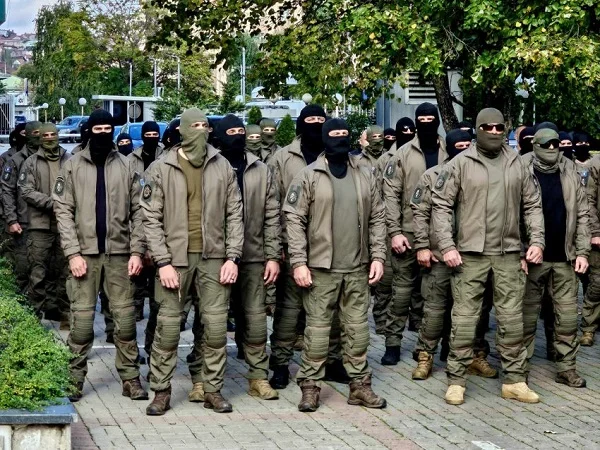
(3 years ago)The Special Intervention Unit (NJSI), the Unit for Exploitation Tools Treatment (NJTME) and other units of the Kosovo Police have suspended the protest warned about this Tuesday, as Kosovo Prime Minister Albin Kurti has promised that next week he will wait at the official meeting to find solutions to their demands. [...]
Police Union Chairman Imer Zeqiri has said they do not know the exact date when this meeting is expected.
He said FIT's demands are the same as the Kosovo Police and that they are in constant contact with FIT.
“We have been in contact with them that will be suspended and that the prime minister will meet them at a meeting next week. Now what comes out of the meeting can't be assumed. They're focused more on two demands and why there are other demands. Although these are the demands of the Kosovo Police, improving the surplus for risklessness, disgruntled are all, health insurance, retirement law, police marks, etc. You know that we union have a petition sent to the Kosovo Assembly and we are expecting an answer”, he said.
Asked if he would be at this meeting, he said: “I think we should be present at that meeting because I am part of that process. It's been said next week, but there's no known date”.
Otherwise, the week we left behind in the Special Intervention Unit (NJSI), the Unit for Explosive Tools Treatment (NJTME) held a protest before the Kosovo Government object, where they submitted their demands.
FIT's representative that their dissatisfactions do not date from today, but are more than 10 years old.
“We are an elite unit of the Kosovo Police. Our discontent doesn't date from today, but over 10 years we've got promises and none of them have been realized. In the wage law, even though we asked for change nine months ago, our demands have not been realised”, the FIT representative said.
The FIT representative made it known that their demands are: classification as separate entities and involvement in the expert list, risk being set to 50 percent of the basic salary and additions to specific working conditions.