20 minutes ago
Klink: ZPS threatening and blackmailing witnesses
Periskopi(3 years ago)
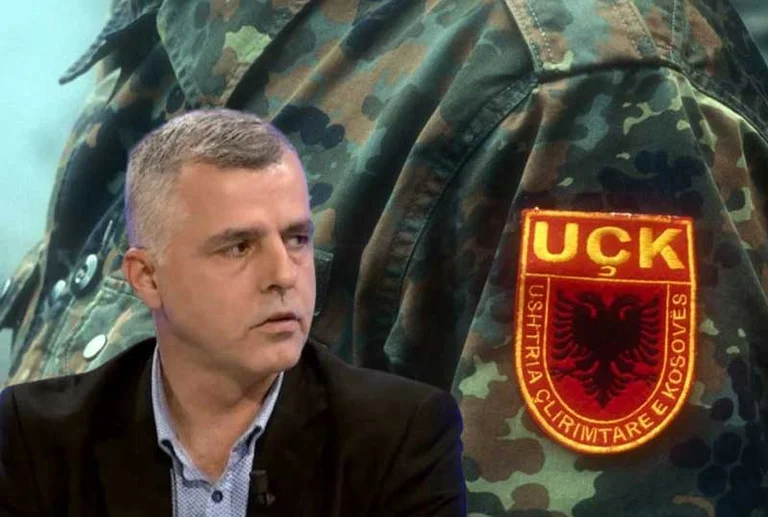
(3 years ago)Faton Klinaku, who exercises OVL-KLA duty, has expressed his concern over court hearings at the Special Court. He has confirmed that he has observed a ZPS raid campaign aimed at justifying failures in the court's judicial process. OVL-KLA task leader Faton Klinkaku has said the concern [...]
Faton Klinaku, who exercises OVL-KLA duty, has expressed his concern over court hearings at the Special Court. He has confirmed that he has observed a ZPS raid campaign aimed at justifying failures in the court's judicial process.
OVL-KLA task leader Faton Klinkaku has said his concern over the situation of court hearings at the Special Court.
“Show climate FIVE” has said he has observed a campaign of human raids to justify their failures in this context.
There's a campaign of human raids to justify their failures because in most cases the court hearings are failing because we've repeatedly said all evidence is from conquering Serbia, and we have behind some documents that they're dealing with as scandals and that masked and unknown persons have brought to us and that these” have never been investigated, Klinaku said.
Klinaku says failures at court hearings are because most evidence is taken by conquering Serbia and that they have documents that have been brought by masked and unknown persons, without adequate investigation into their origin.
All lies will arise because it has not prevented justice, and any of these people who are being raided and confiscated their phones are most of them who have been visiting The Hague”, he follows.
He has stressed that “nobody is obstructing justice, but the SPS has prevented justice by threatening witnesses and processing witnesses of itself”.
And since we don't have a state because we have political parties, whether they've established it or not, these already didn't want to distance this court by changing a law. They're not dealing with the Special Court at all, but they're dealing with the agency that they've already accepted, even this”, Klinaku concludes.