5 minutes ago
Backock with clear orders for the prospect of Kosovo membership Albania, Montenegro, North Macedonia and BiH in the EU
Periskopi(3 years ago)
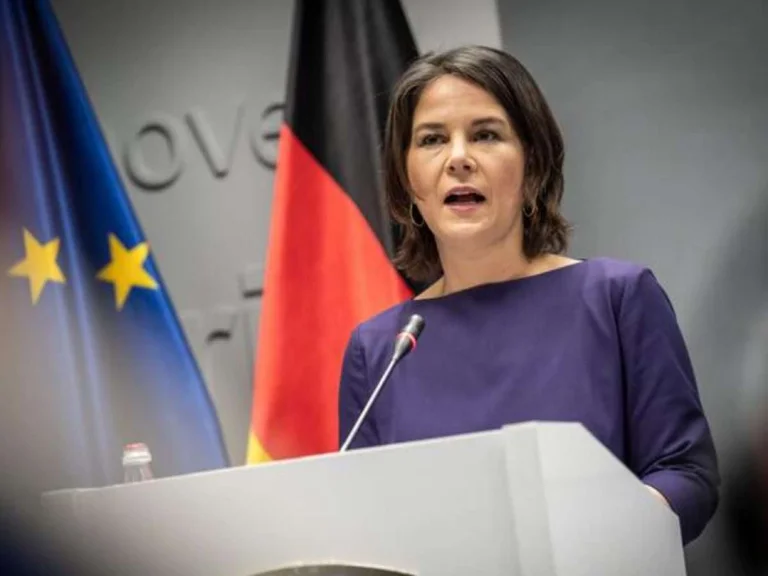
(3 years ago)Germany's Foreign Affairs Minister, Annalena Baerbock, has given clear orders for the prospect of Kosovo membership, Albania, Montenegro, Northern Macedonia, Bosnia and Serbia into the European Union. When he spoke to reporters at the start of the meeting of the chiefs and chiefs of diplomacy of the 27 EU member states he was [...]
When she spoke to reporters at the start of the meeting of the chiefs and chiefs of diplomacy of the 27 EU member states that are being held this Monday in Brussels, the German diplomat also stressed the importance of participating six foreign ministers from the western Balkans who will meet with Europeans at a session after the Council of Ministers meeting.
The “Option of peace and security in the European Union is the most important defence shield now for our partners and friends in the Western Balkans. That's why it's so central, that in these times we realize that enlargement is a geopolitical issue, and that for peace and security in Europe, there should not be “the gray””, she said.
Berlin's top diplomat added that the EU strengthens with expansion expected to take place with new member states, Clankosova reports
I am very happy that the foreign ministers of six Western Balkan states are here with us again to exchange ideas. At the Berlin conference we have already made it clear that enlargement is not only geopolitical issues, but also strengthens the EU, that enlargement can make it stronger from within, especially when it comes to reforms. Therefore, it is important that the partners from the region include in the issues related to Europe's future, not just hearing once a year”, she said.
The meeting takes place several days after the European Commission approved and published the enlargement package and annual progress reports. They estimate the co-operation and co-ordination of the region's actions with the EU in the foreign policy field, except for Serbia and to a large extent Bosnia and Herzegovina, as these two countries have lower levels of adaptation to EU positions in the field of foreign policy.