6 hours ago
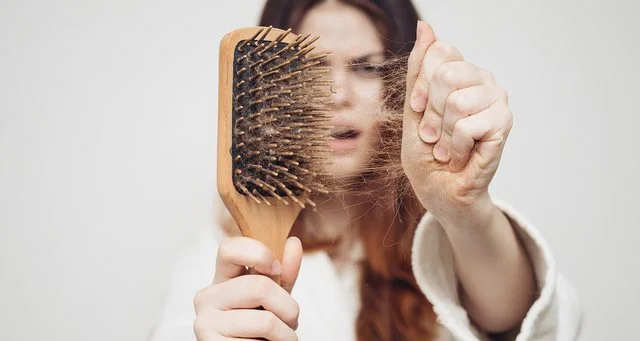
How can you avoid falling hair during winter
Periskopi(3 years ago)
(3 years ago)It's perfectly normal to have about 100 hairs fall during the day, but a hair loss expert has warned that colder weather can increase decline. Natural body care and hair brand “Faith in Nature” found that one in 16 Britons said he experienced hair loss during the months [...]
It's perfectly normal to have about 100 hairs fall during the day, but a hair loss expert has warned that colder weather can increase decline.
Natural body care and hair brand “Faith in Nature” found that one in 16 Britons said he experienced hair loss during the coldest months of the year.
Meanwhile, one in 10 said their hair was more fragile.
Hair loss expert Noseen Choudry joined the brand to explain why this could happen.
She said your hair could pass a cycle known as seasonal waste during autumn and winter.
Many people will experience increased hair loss during this time, which occurs at the end of autumn and winter”, explained the hair loss expert.
The hair loss will happen because of the dry air during the cold weather, as this can remove moisture from your scalp and hair, which can also cause borochth. You can also experience a change in the structure of your hair as they will be dryer, causing broken hair, which leads to a drop of”, Choudry said.
She added that a situation called “telog effluvium” could also be after your growing hair fell.
Nosheen said: “Theologen effluvium is a condition usually developed after an acute event, such as a major operation, pregnancy, a lack of vitamin, anemia, rapid weight loss, or a serious illness”.
It may appear early, and you may lose up to 50 percent of your hair on your head.
1. It Begins From Inside
Although your first instinct may be to collect a variety of hair care products, Nosheen and experts at “Faith in Nature” said that what enters your body is actually the key.
They said that the best thing you can do is eat a balanced diet and stay hydrated, which will ensure that there is no shortage in any nutrients.
2. Lower fire
A hot shower during these cold winter months can be a real pleasure for many of us.
But, according to Noschen, it might be killing your hair.
evaporated water can drain your hair and head, making your hair worse.
3. Treat your mushrooms with oil
Hair oils, such as rosemary oil, have become viral on social media platforms like TikTok in recent months.
While it is wise to be careful about the trends made known on apps, some studies suggest that hair oil can help reduce hair loss, as it can stimulate new growth.
Nosheen recommended hair anointing at least once or twice a week.
It is noteworthy that not everyone sees the benefits of rosemary oil.
A TikTok user showed how the hairheroe caused her hair to come out in piles.
4. Changing Hair brush
Experts suggest selecting a natural hair brush instead of a plastic to avoid excessive haircut.
5. Manage your stress levels
Stress can play a major role in any sudden decline in hair.
Although it may be easier to say than to do, braking stress levels can help revive your hair.
There are many things you can try to manage your stress, including regular exercise, talking to friends or professionals about your feelings, and spending time on self - care.
6. Sleep Your Beauty
Sleep deprivation can destroy our bodies, but sufficient sleep can do more than help your mood and skin.
Increasing recommended bedtime hours may also prevent any excessive hair loss.
Great Britain's public health recommends that adults sleep from seven to nine hours each night.
7. Remove products for hair
So many of the products we use for our hair contain components that are actually not useful for hair health, noted Noschen and experts from “Faith in Nature”.
They recommended that you select natural products for hair care instead of chemicals, which use plant extracts, essential oils and other natural components, and they'll be more genetic with your hair.
8. Protect your hair from the outside
We rarely leave home in the fall or winter without being wrapped in a warm coat and scarf, but many of us avoid wrapping our heads.
Protecting your hair from the elements by wearing hats and wrapping them with scarfs is essential to protecting yourself from excessive seasonal hair loss, experts said.
If your hair loss is causing concern, leaving bald spots or lasting a long period of time, it is the best practice to consult a health - care professional or triologist or registered dermatologist. /Klankosova. tv