15 minutes ago
The attack on Banjska, adding troops and concerns about expanding conflicts in the region, what the chief of staff said NATO yesterday in Pristina
Periskopi(3 years ago)
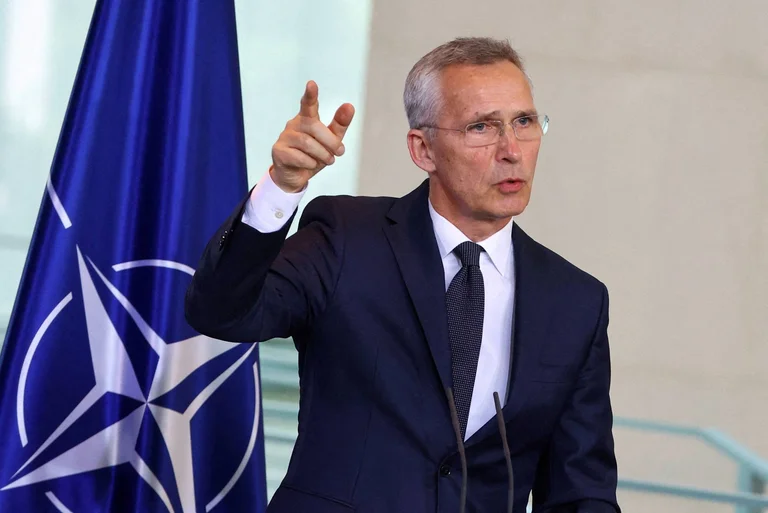
(3 years ago)Secretary - General NATO, Jens Stoltenberg, remained in Kosovo during yesterday's day under a tour of several countries in the region and at the time of tensions and warnings of potential conflicts. Secretary - General NATO, had meetings with President Vjosa Osmani, Prime Minister Albin Kurti, and the mission commander [...]
Secretary - General NATO, Jens Stoltenberg, remained in Kosovo during yesterday's day under a tour of several countries in the region and at the time of tensions and warnings of potential conflicts.
Secretary - General NATO, had meetings with President Vjosa Osmani, Prime Minister Albin Kurti, and with NATO Mission Commander KFOR Ozkan Ulutas.
Chief NATO said in Pristina that the Alliance is considering whether there should be a permanent increase of its military presence in Kosovo. All this after the outbreak of violence in northern Kosovo on September 24th.
Jens Stoltenberg has said that the 24-September attack on Zvecan Banjska was a sign that conflicts can return to the Western Balkans, writes Reporter.net.
Secretary - General NATO told reporters that such acts are unacceptable and that those responsible must be brought to justice, until it stressed that 93 KFOR soldiers were hurt.
KFOR soldiers were attacked in May. 93 soldiers were seriously injured, and some were even life - threatening. Such acts are unacceptable and that responsibilities must be brought to justice”, Stoltenberg said, until he added that KFOR continues to fulfil its UN mandate to provide a safe and secure environment.
We've set up patrols north. These are quick steps to ensure that KFOR continues to fulfil its UN mandate at all times. We will do what is necessary to maintain a safe environment and free movement for all people. Stability in the region is located on all sides”, he said.
He also stressed that the deployment of Kosovo Police forces in the north should take place only after confirmation by NATO to ensure the peace and security of the region.
Any deployment of Kosovo Police forces should receive NATO confirmation, and any Kosovo Police movement in that region.
Chief NATO also spoke of dialogue between Kosovo and Serbia, as it said both sides should engage in trust.
Stoltenberg told reporters that he has welcomed the latest proposal for establishing association, until he said it is a key step towards normalising relations between the two countries.
“NATO also supports the relaxed EU dialogue between Pristina and Belgrade, and both sides should engage in trust. I welcome the latest proposals for establishing Asociacon of Serb majority municipalities, this would be a key step towards normalising relations, and towards long-term and lasting peace in the region”, the chief said NATO, Jens Stoltenberg, at a joint conference with the country's president, Vjosa Osmani.
Otherwise, Stoltenberg's visit to the region comes amid warnings from Ukraine that Russia aims to promote conflict among Western Balkan states.
After Kosovo, chief of NATO will stay in Serbia on 21 November, where it is meant to meet with Serbian President Aleksandar Vuciq, and with the prime minister of this state, Ana Brnabiq.
The same day, it will visit northern Macedonia, NATO member state, where it will meet with state leaders and address this country's Parliament