5 minutes ago
Martti Ahtisaari's profile, the man who proposed Kosovo's independence to the world
Periskopi(3 years ago)
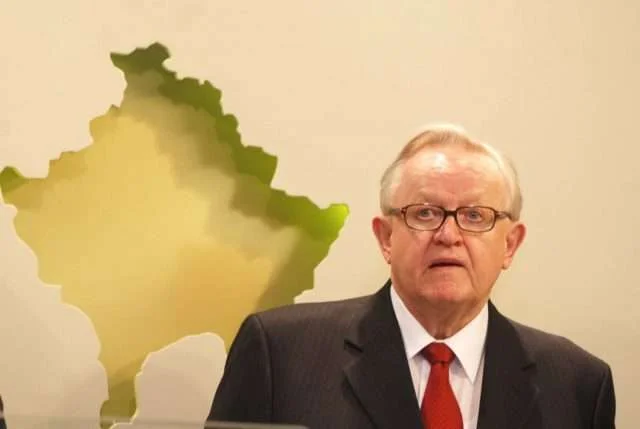
(3 years ago)Former Finland's President Martti Ahtisaari has at least twice substantially failed to deal with Kosovo. First in 1999, when he had gone to negotiate the surrender of Belgrade that was being bombarded by NATO because of the campaign against Kosovo and in 2005, when UN Secretary appointed him as an emissary for status [...]
Finland's former president, Martti Ahtisaari, has died on Monday (October 16th in Helsinki. He had Alzheimer's disease, Finnish media report.
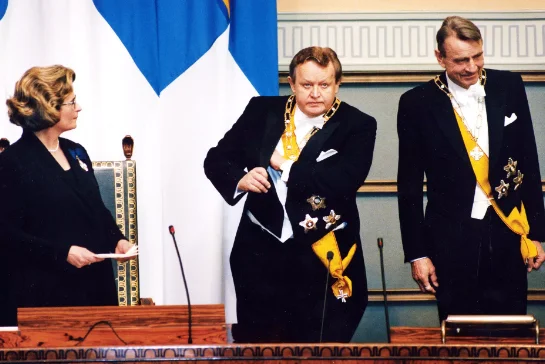
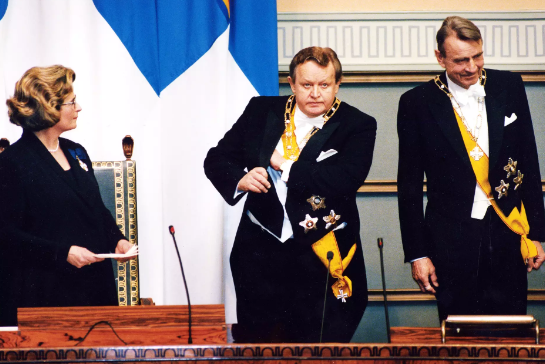
Ahtisaari has been Finland's tenth president, who has served during 1994- 2000.
He differed significantly from his ancestors in the country's direction. He was a professional in multilateral diplomacy who was accustomed to traveling around the world.
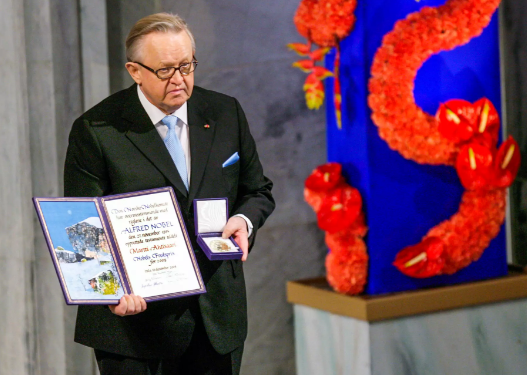
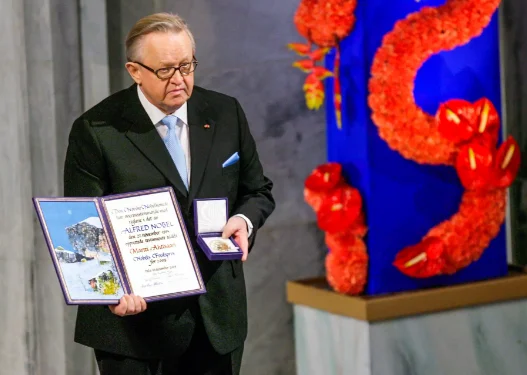
Ahtisaari has won the Nobel Peace Prize in December 2008 in Oslo, where in his speech he showed what caused him to spend a large part of his career in resolving conflicts.
An important reason was found in childhood. Ahtisaari was a little over two years old when the war forced him and his family to evacuate. Even a young child could understand what it was like to seek refuge in other people's homes.
Then he and his family returned to live in Vuossels, but before the end of the war, their residence was in Kuopio. There they found a house.
In 1952, Ahtisaarit moved to Oulu to attend their father's work under the officer. It became a school town and research for Ahtisaari, and its international career began.
Shortly after graduation, the new public school teacher noticed a special work announcement in a magazine, which was a student home funded by Swedish funds, which was looking for a manager in Pakistan.
When plans came to light, the rest of the family pulled out their school maps and discovered at the kitchen table where Pakistan was exactly where it was located.
A nearly three - year period in Pakistan taught him what conditions could be like outside Finland. Although Ahtisaari had time to start his studies at Helsinki Economics University after returning to Finland, he was soon the executive director of the International Student Aid.
Ahtisaari was transferred to the Ministry of Foreign Affairs in 1965 to also build Finnish development co-operation. He was known as a practical and efficient civil servant.
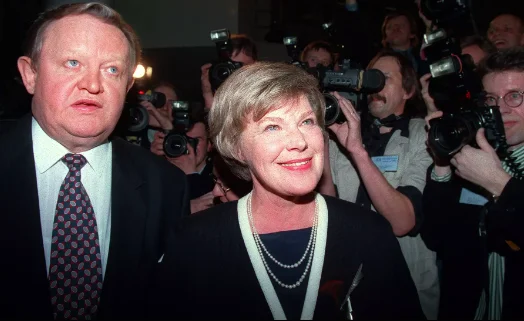
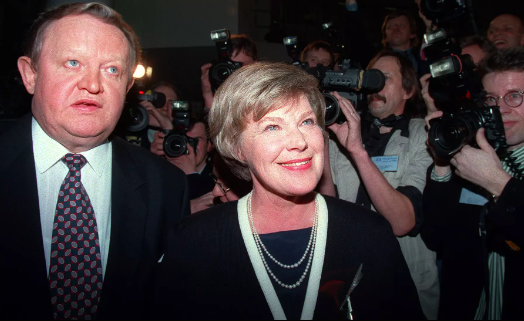
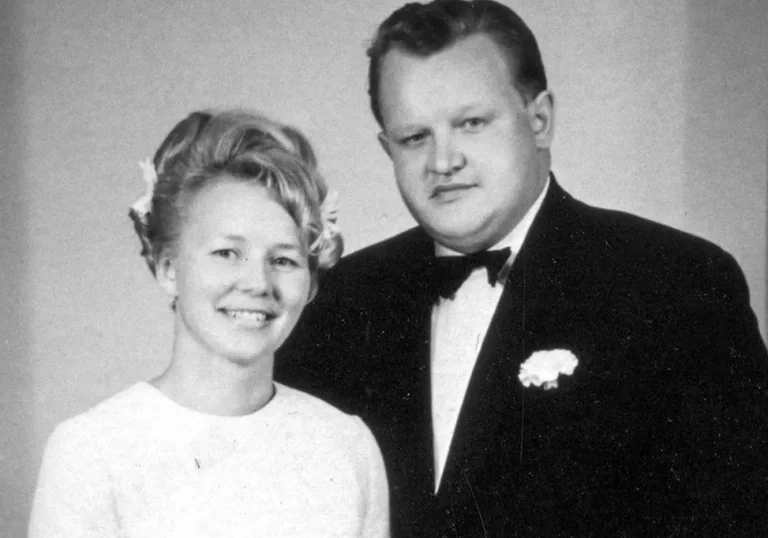
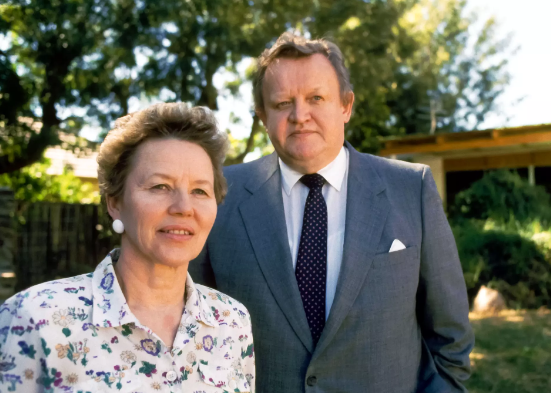
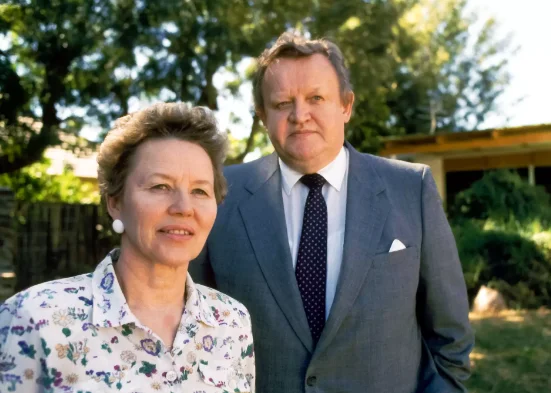
In 1968 he married Eeva Hyvärine, whom he met in 1950. The following year the couple had a son named Marco.
From Eeva, Marty received support in his work for decades, and Marko adopted his father's international attitude toward life when the family moved from place to place.
In 1973, Ahtisaari became Finland's ambassador to Tanzania. He was extremely young among ambassadors under 40 years of age.
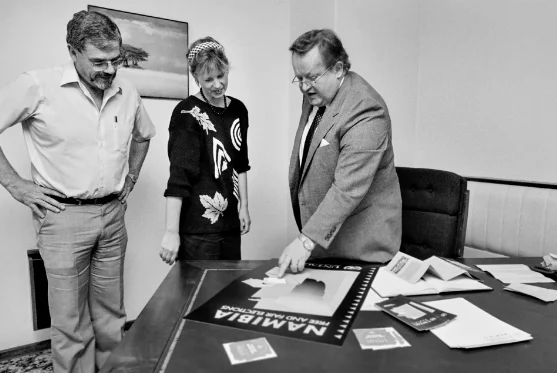
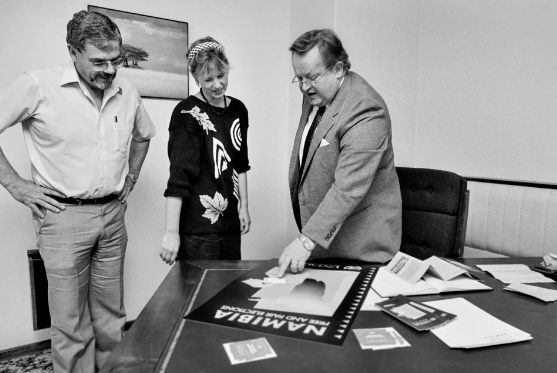
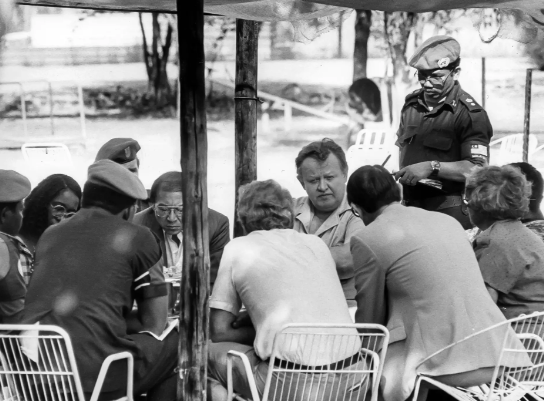
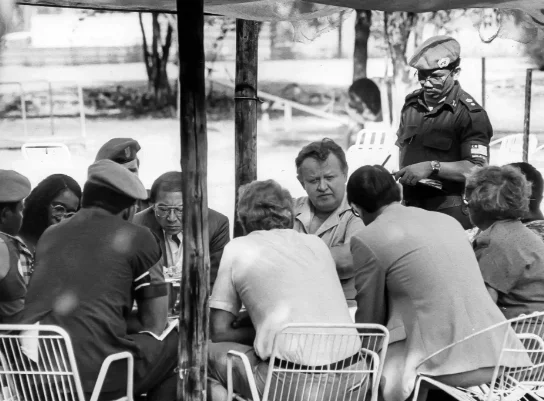
Ahtisaari would probably have continued in the career of developmental co-operation if Tanzania's President Julius Neyerer had not paid attention to the mediating skills of the new ambassador. Evidently, it was thanks to Nyerres that in 1976, Ahtisaari became the UN envoy in Namibia and later the special representative of the secretary - general in Namibia.
Namibia was then occupied by white - ruled South Africa. The UN's goal was an independent Namibia, but the process was long and difficult.
Later, Ahtisaari described the work as a marathon. Conversation partners were not easy. The leaders of the South African apartheid regime were determined in their stance, even though international pressure against them increased.
José Eduardo dos Santos, president of Angola, on the other hand, said that he was busy and did not want to wait for Namibia's representative. Ahtisaari waited for three days in the lower hall of a nearby hotel, reading magazines until dos Santos finally had to agree to a meeting.
In addition to peacekeeping, it included a large civilian component, which supported the start of the country's ongoing administration.
This experience was seen later in Ahtisaari's mediating work. He was able to be creative in the UN complex bureaucracy and combine his expertise on both military and civilian issues.
Another of Ahtisaari's trade signs in mediation work was that he was able to turn authority issues into practical problems. Later, finding practical solutions for them became possible.
As mediator, Ahtisaari was persistent, determined, and, if necessary, even harsh when urging the parties to do their duties properly.
Namibia's independence in 1990 was a success story for the UN.
Ahtisaari's career continued spectacularly. He worked until 1991 in New York as UN Undersecretary General, after which he returned to Finland's Ministry of Foreign Affairs as the highest official, chief Secretary of State.
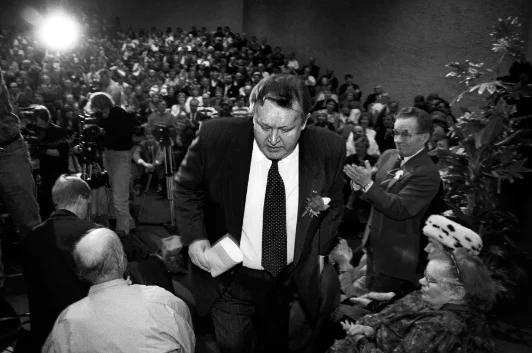
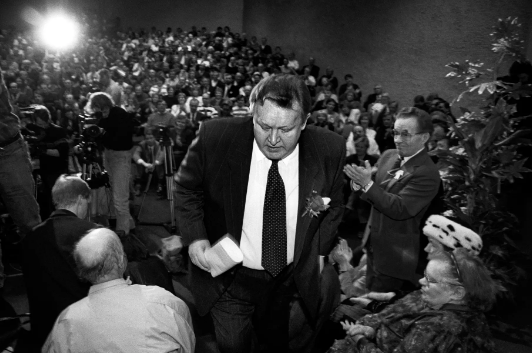
The riots of the early 1990s changed the situation. The recession prompted Finnishs to seek leaders even outside politics. Ahtisaari had already joined Sdp in 1968, but now he was called a candidate for the 1994 presidential election, which he won.
When he became president, Ahtisaari differed from many of his predecessors. He was not trained to be a politician in parliament and government. He was also a stranger in public view.
Ahtisaari was a professional in multilateral diplomacy who was accustomed to travel around the world. He received information and clarified his views by talking to key influenceers.
At home, Ahtisaari was visible as a president who made provincial trips, founded his employment group and donated part of the salary to the unemployed. He was natural to be president of Finland, which became international and learned to function as an EU member.
At the end of his mandate, Ahtisaari also stated, referring to his trips to promote exports: “you cannot make politicians out of me, but I would be a very good businessman”
The effort for a second presidential mandate was a question that concerns Ahtisaari for a long time. A sense of duty and ambition led one direction, one call to another. The results of popularity polls also fluctuate.
However, Ahtisaari said in April 1999 that he was not available.
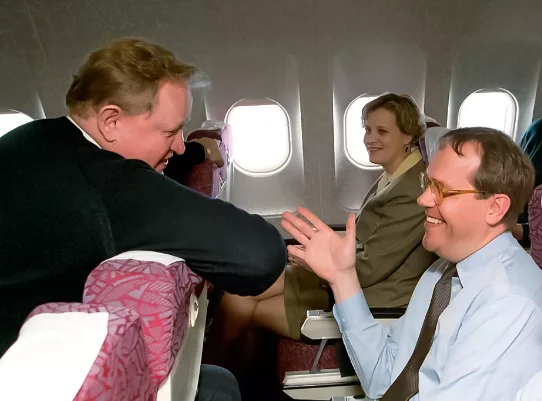
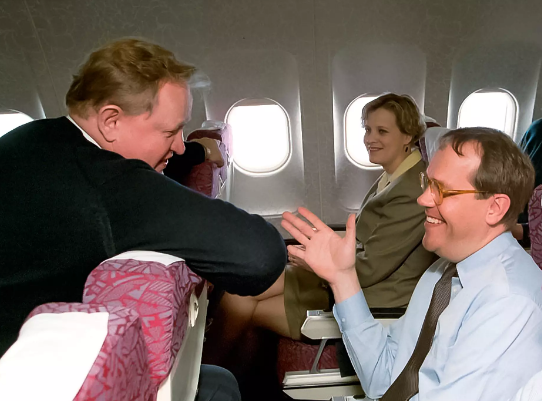
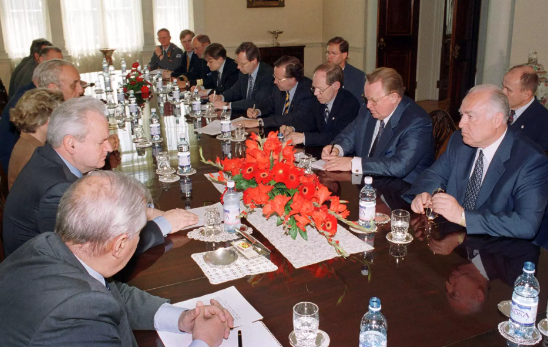
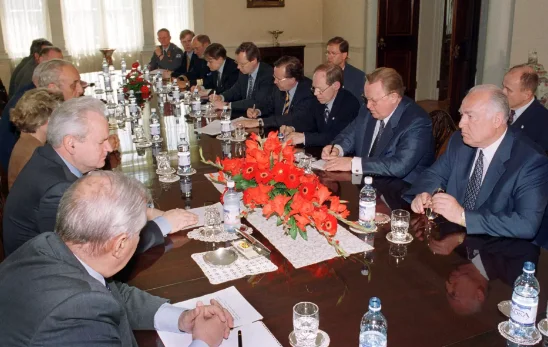
Already in the early days of May, Ahtisaari was asked to mediate in the Kosovo crisis. This was the beginning of a spectacular end to his presidency. He travelled for several weeks closely negotiating and helped to find a solution to the crisis, which seriously damaged Europe's stability.
Finally, at the beginning of June 1999, Ahtisaari came directly from Belgrade to Kaln for the meeting of EU leaders. He had with him the consensus reached with Yugoslavia's president, Slobodan Milosevic.
Ahtisaari's presidential mandate ended in March 2000. However, he did not retire as a pensioner, but created a new, unique role for the former president.
Ahtisaari was asked to participate in many positions of confidence. In addition, UN Secretary General Kofi Annan, an old colleague and friend, offered him the post of UN High Commissioner for Refugees. It would be the highest Finnish position in the world organisation.
Ahtisaari decided to do otherwise. There were people who wanted to take him in international positions, but there were fewer independent professionals like him. So Ahtisaari founded the Crisis Management Initiative, or CMI, an organisation that specialises in developing crisis management.
However, most of the attention was focused on Ahtisaari's own mediation duties. He helped the EU get out of Austria's boycott. He negotiated the much sought peace in the province of Aceh, Indonesia. He also returned to the Balkans to resolve Kosovo's status.
The situation changed when Nobel's Norwegian Committee announced that Martin Ahtisaari was selected as the recipient of the 2008 Peace Prize. The labour Decade received the highest international recognition.
Ahtisaari continued his dizzying pace of travel for the years to come. He may have had two hundred days of travel abroad during the year. The doors in the world's capitals were open to him.
After each trip, however, the climax was to return home to Eeva's wife. Ahtisaari had already learned as a child how he feels when you cannot return to your home. Express-The Sanomat Helsinki/
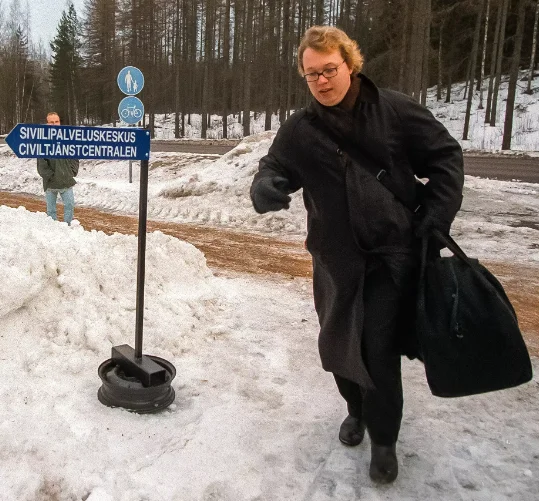
1989.