2 hours ago
Signs showing weakness of heart and ignorance
Periskopi(4 years ago)
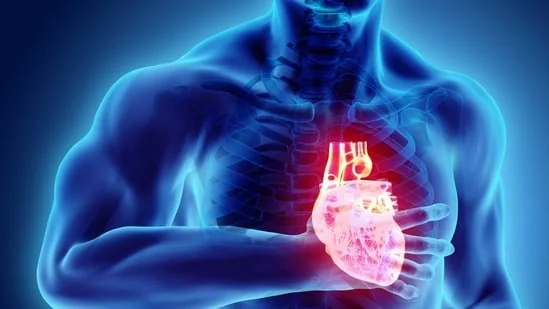
(4 years ago)Even healthy people who eat a balanced diet and exercise are sensitive to heart attacks. It is impossible to know who is the most healthy person in such a situation, since all are sensitive to heart attacks. Heart attacks are caused by collected fatty deposits [...]
Heart attacks are caused by fatty deposits accumulated in the artery, causing a reduction in blood flow.
Alarming figures make it necessary to raise public awareness of warning signs of heart attack. Patients who are affected by the disease for a longer period of time tend to develop footwork that leads to swelling. It is considered to be one of the main signs of heart conditioning disorders. It can come and go, but usually lasts longer. Symptoms may not seem life threatening, but they are. Hence, frequent body and heart checkups are recommended.
To shed more light on heart failure signs that are normal but that can be fatal, Dr. Anbu Pandian discovered three symptoms showing that you have a heart failure and you don't know:
The chest pains of people who experience chest pain normally ignore it as a sign of gastric problems. However, it is one of the most common symptoms of heart failure. An individual may experience pressure or worry below or behind the cistern that can stretch through the jaw, shoulders, arms, and upper back. A person may not experience chest pain but has a heart disease. It is especially common among women.
A second common symptom of heart failure is fatigue throughout the day. Such exercises as walking, running, and cycling become exhausting, since body tissues do not receive sufficient blood to carry out their daily duties. Consuming a healthy and nutritious diet with many vitamins and minerals can also help prevent fatigue.
Unspoiled heart rate ʹ Arithmia is irregular heartbeat caused by an increased risk of blood clotting. Heart rate that is out of rhythm or disorder cause heartbeat. As a result, an individual may experience a sense of burning or running in the chest. It is recommended that you consult a doctor if symptoms continue or return often or the patient has a history of diabetes or high blood pressure.