7 minutes ago
Kosovo ) Serbia: Gun screams only in the media?
Periskopi(4 years ago)
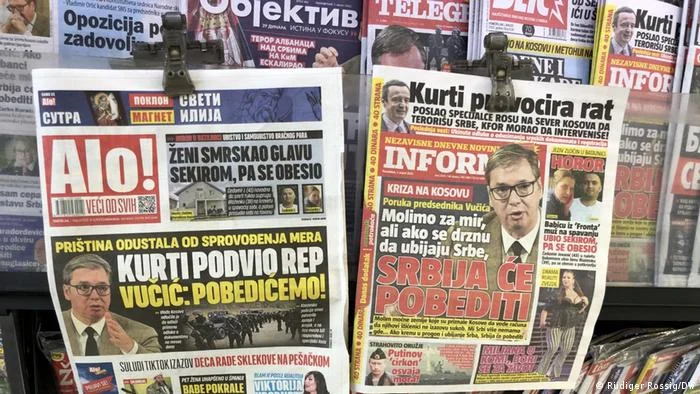
(4 years ago)Before the Kurti-Vucciq meeting in Brussels, Serbian media continue to pour fire fuel in the conflict over travel documents between Kosovo and Serbia. Can conflict in the region again escalate? “It is preparing massacres in Kosovo”, so titled the boulevardeske newspaper “Informer” a writing of it, with photos of Kosovo Prime Minister albin Kurti, and according to [...]
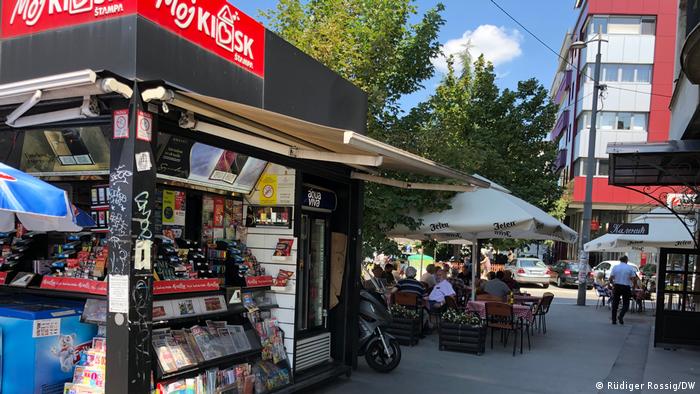
“It is preparing massacres in Kosovo”, so titled the boulevardeske newspaper “Informer” wrote a text with pictures of Kosovo Prime Minister albin Kurti, while according to the newspaper “Vecenje novost” even snipers, who will probably eliminate Serb minority leaders in Kosovo. Like these two newspapers nearly all Belgrade's press smells at the war, without clear evidence of it. Disfellowshipping is just a few independent media, which do not depend on Vuciqi.
The tensions between Kosovo and Serbia recently escalated following the Kosovo government's decision to implement new regulations for travellers with Serbian passports and vehicles with Serbian license plates. According to her, Serbs when entering Kosovo would be equipped with Kosovo pro-visual documents, and vehicles with Serbian license plates within a deadline should be replaced with Kosovo ones. Serbia has been practicing this for Kosovo citizens for years. Prime Minister Kurti had long insisted on the so-called “reciprocity”, that is, for both sides, it should be worth a row: The decision on reciprocity with Serbia is postponed for a month.
Fear of Russia That Could Spark the Situation
True, these measures were withdrawn in a short time, but the situation is very tense. Some observers even see the real danger of war in the Balkans. One topic that is heard is that Russia can use these tensions and open another front via traditionally allied Serbia to draw attention to the aggression war in Ukraine. Serbia is the only EU candidate country that has not imposed sanctions against Moscow. This country condemned the Russian attack and voted against Russia in UN resolutions. But President Vuciq, who rules nearly alone for nearly 10 years, is known for his political acrobatics between East and West.
How realistic is a new war where in the '90s Yugoslavia collapsed bloody? Would Serbia really be in danger of facing NATO again, which is present in Kosovo and Bosnia, while Montenegro and neighbouring Croatia are members of the transatlantic alliance?
There's probably danger everywhere
The political “Elites in this region benefit from nationalism and produce for this estimated tension”, says Mladen Lysnin from the Serbian Institute for Political Studies (IPS). Neither side has interest in war, but the fight with fire can come out of control at any moment, says the politician.
True, in Serbian media it is regularly warned of dangers for Serbs and Serbs simply because they are Serbs. These risks range in Croatia, Bosnia, Montenegro, but mostly in Kosovo.
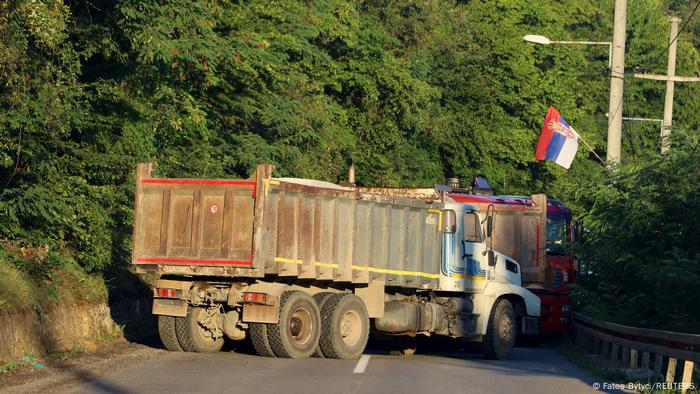 Street blockades in Zupce
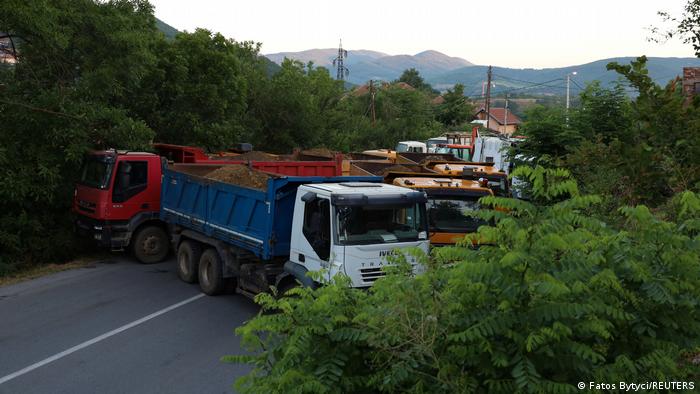
The current conflict for travel documents and license plates is for the Kurti government a move that has long to be taken, for many Serbs an unbearable provocation. In early August, Serbs reacted with barricades when implementation of reciprocity began. The Serbian Army increased readiness, even the Kosovo side sent special police units, gunshots were heard. A new round of rmash death, which can be repeated again. After the provisional suspension, the Kurti government seeks to re-establish the measures in early September.
On Thursday 18 August, Prime Minister Kurti and Serbian President Vuciq meet in Brussels with the European Union's mediation, but expectations from this meeting are not great. Even EU mediation between the two sides has produced very little results in recent years.
Serbia's good relations with NATO
“Whoever intends to attack us, we will protect Serbia, and which is most important we will win”, Vuciq said recently in a speech. The president who governs almost without restraint emphasizes willingly how strong the Serbian Army has become, and how much role he has played in it.
Serbia is officially military neutral. The military held regular maneuvers with Russia in recent years, but also with NATO states. In the past two decades, the military has been restructured according to the Western model and participates in NATO initiative, “Parterity for peace”. Co-operation with NATO is good. More than that is required. Serbia's “NATO membership is completely unrealistic, most of the people opposed. For political elites, it'd be a big risk”, says Lysan.
According to polls, 80-90% of Serbs oppose NATO membership. NATO bombings in 1999 are not forgotten by many Serbs, they are often misused by the mainstream media. Serbia's “politicians react hypocritically; through the boulevardesk press they carry out an unstoppable campaign against NATO, while silently expanding co-operation with alliance”, says Maja Bjelos from the Belgrade Centre for Political Security”, BCBP. Even in the West, however, it is mostly silent for good co-operation with Serbia.
Kosovo and Serbia: Nobody wants war.
Bjelos does not believe a new war can begin, just like many other experts. In the Western Balkan region, governing politicians regularly simulate crises to disable yes themselves and thus present themselves as <x0->facts of stability”. The EU supports this policy of “stabilocracy”, says Bjelos. Critics accuse Brussels of caring more for stability than for democracy in the region.
Tensions can be expected for this reason in the region, but not armed conflicts”, says Bjelos. The Western political, diplomatic and military response to the Russian invasion of Ukraine shows Balkan politicians what price they will pay if they cause that. ”