5 minutes ago
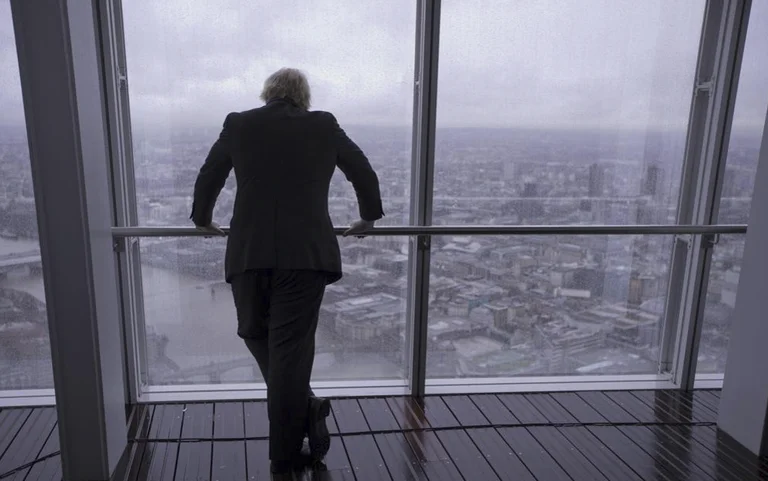
From Brex to Partygate: The rise and fall of Boris Johnson
Periskopi(4 years ago)
(4 years ago)He was the chairman who enjoyed the hospitality of the 2012 London Olympics and the man who led the conservatives to a convincing victory, promising to make Brexite, writes the Associated Press, records Periscope. But Boris Johnson's period as prime minister was tarnished by the management of the coronary pandemic and a string of ethical accusations by [...]
But Boris Johnson's period as prime minister was tarnished by the management of the coronary pandemic and a string of ethical accusations, from government parties filled with alcohol, which had broken closing rules to managing a sexual scandal involving a senior lawmaker from his party.
Here's a story about Johnson's political career:
2001-2008: He serves as a member of parliament in the Lower Room.
2008-2016: He serves as president of London, overseeing the 2012 Olympics in London.
2015: The campaign's leader to remove Britain from the European Union, against then Prime Minister David Cameron, a former joint party from the Conservative Party. Cameron resigns after voters had voted in pro Brexit in a national referendum on June 23rd 2016.
2016-2018: She serves as foreign secretary under Cameron's successor, Prime Minister Theresa May. Johnson resigns in July 2018 as opposition to May's strategy for a soft “exit from Brex that would preserve close ties with the European Union.
July 23, 2019: Johnson is elected leader of the Conservative Party at the polls by party members. The next day, he took office as prime minister, inheriting a minority government that depends on the votes of Ireland's Party of Democrats to adopt legislation. Johnson insists that Great Britain will leave the EU on October 31st, with or without an agreement.
October 19, 2019: Johnson wants the EU to push Braxie again. The deadline is extended for 31 January.
November 6, 2019: Parliament is distributed and early elections are imposed for mid-December as Johnson seeks a mandate for his Brex strategy.
December 12th, 2019: Johnson wins a parliamentary majority of 80 seats in the general elections, giving him support to push ahead the Brex legislation. The victory made Johnson the conservative leader most of the votes since Margaret Thattcher.
January 23, 2020: The Brex agreement becomes law following approval by the UK parliament. The European Union approves the agreement six days later.
March 23, 2020: Johnson puts the United Kingdom in the first closure because of COVID-19.
April 5, 2020: Johnson is hospitalized and later sent into intensive care due to COVID-19 infection. He was released from the hospital on April 12th, thanking the medical staff who stayed with him overnight to ensure that he was breathing.
November 30th, 2021: They point to suspicions and accusations that government officials had participated in the November and December 2020 partying in government offices contrary to the rules of isolation in the pandemic. The opposition accuses the government of breaking the law when ordinary citizens made sacrifices to protect themselves from the virus.
April 9, 2022: Johnson meets with Ukrainian President Voldymyr Zelensky in Kiev, pledging a new package of military and economic aid to the country hit by Russian aggression. The initiative increases its support and supporters.
June 6, 2022: Johnson narrowly wins a no-confidence motion, with 148 lawmakers out of 211 voting in his favour. But the scale of the revolt shook his power.
July 6, 2022: Several dozen ministers resign from the government, attacking Johnson's leadership.
July 7th, 2022: Johnson agrees to resign from the conservative Party leadership and from the prime minister's post. /Associated Press/Periscopi/