5 minutes ago
From attack to international reaction: How the whole event took place in Japan
Periskopi(4 years ago)
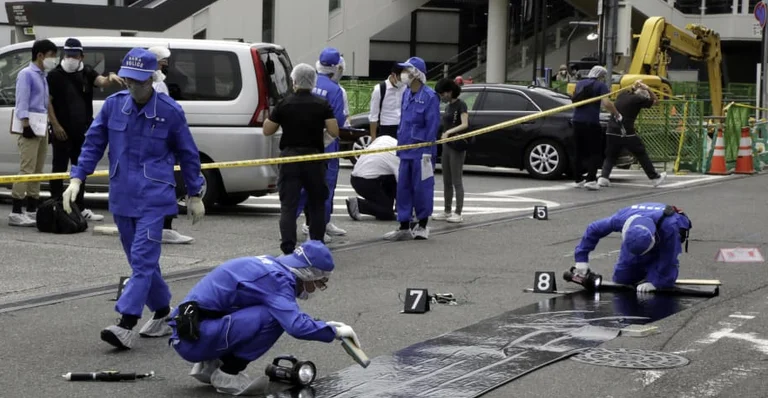
(4 years ago)Former Japanese Prime Minister Shinzo Abe has died after gunshots on the streets of Nara on Friday -- a shocking act of violence in one of the lowest-ranking states of gun crimes, writes CNN, records Periscope. Attack: Abe was shot about 11:30 local time in Nara, east [...]
Attack: Abe was shot about 11:30 local time in Nara, east of Osaka, while he was making an election campaign speech. He suffered wounds on the right side of his neck, according to officials in Tokyo. He was first taken to the hospital by ambulance, then by the medical helicopter.
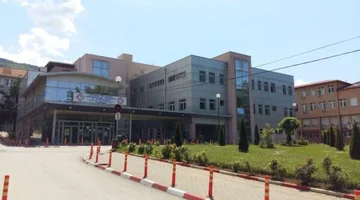
Arriving at the hospital: Abe arrived at the hospital in a state of cardiac arrest around 12:20 local time, according to doctors at Nara Medical University. During a conference with journalists hours after the attack, the excited prime minister, Fumio Kishida, confirmed that Abe was a critical situation, undergoing an emergency treatment. Abe's brother, also minister of defence, said that he was receiving blood transfusions.
Confirmation of death: Abe was declared dead at 5:03 local time, according to the head of Nara Medical University. From the hospital conference, doctors said the former leader died of constant bleeding and from the bullet that killed him had gone deep enough to reach his heart.
Suspect: Police have arrested Tetsuya Yamame, a resident of the town of Nara, about the 40s in connection with the attack, according to Japanese media. They reported that the man had not tried to leave and is being questioned at the Nara police station. Looks like he used a gun made at home, reports the NHK. Amateur images from the site of the event show that security personnel knocked down the attacker near the site Abe had been standing, moments after the shooting was heard.
International Response: The messages of world leaders, present and past, have flooded, condemning the attack. These include European figures, such as the leaders of France, the United Kingdom and Italy; leaders from China, India, Singapore, New Zealand and Australia; and other leaders of international organisations. /Periscopi/