a minute ago
El Salvador president loses $50m from public funds in BitCoin
Periskopi(4 years ago)
(4 years ago)When a president boasts that he manages the country's wealth from his smartphone while naked, he hardly inspires confidence. Much less in a country that has a debt report on GDP of 84% and less when the president is investing in bitumen, which this week dropped to the highest value [...]
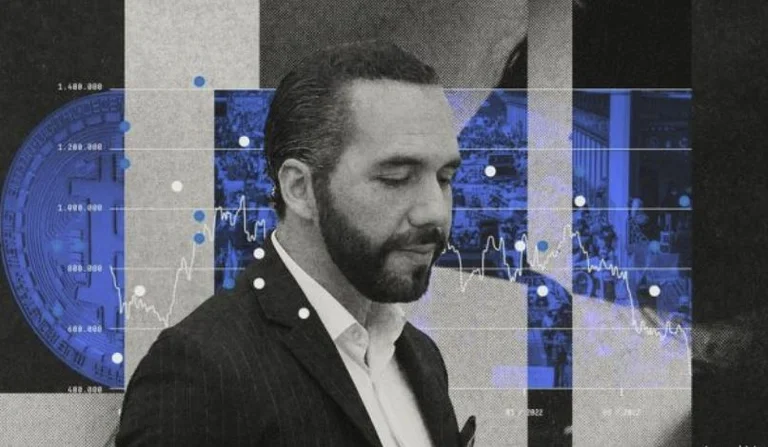
When a president boasts that he manages the country's wealth from his smartphone while naked, he hardly inspires confidence. Much less in a country that has a debt report on GDP of 84% and less when the president is investing in Bitcoin, which this week dropped to the lowest value in 18 months. Welcome to El Salvador, which became a playground for the brothers of technology a year ago, when President Nayb Bukele, his social media leader, took a legal course for Kryptonite.
In June last year, at a conference of cryptomone in Miami, Bukele announced that the Central American country would be the first to adopt bitumen as an official currency, along with the US dollar. In September, a day before the adoption of the so-called Bitcoin Law, which made it mandatory for businesses to accept krytomedha, Bukele also began using public funds to invest in bitumen.
Today passengers arriving at the airport in San Salvador, the capital, are expected by a blue atom labeled “Chivo” (“Col”), the name of the country's digital portfolio, in which bitcoin can be bought or converted into money. Hotels in El Zhutte, a beach town that was a bitcoin testing ground thanks to the arrival of an American crypto lawyer there, announce out loud that they accept the cryptomone. The government plans to issue “oligation volcanic “x5>, which would be partly supported by bitumen, to finance the construction of “Bitcoin City”, a fiscal paradise empowered by geothermal energy from a volcano in order to attract crypto miners.