2 minutes ago
Serwer sees basis for a major Kosovo- Serbia
Periskopi(4 years ago)
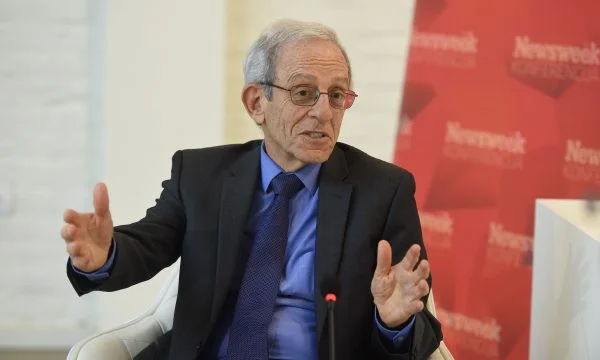
(4 years ago)The professor of “Johns Hopkins University” and Balkan Development connoisseur Daniel Serwer, in his “Pacespecesque”, has written about the current stage and the continuation of dialogue between Kosovo and Serbia, the dialogue that is mediated by the European Union. Serwer says that despite the fact that Kosovo and Serbia have signed an agreement in [...]
Serwer says that despite the fact that Kosovo and Serbia have signed an agreement in 2013, all this decade after that agreement has been counterproductive. The American expert says that even though 10 years have left the Brussels agreement, the impasse for all these years jeopardises the Balkans and the break-up of regional peace and stability.
When that is said, Serwer joins a video of a Alexander Dugin, also known as the “Tururi of Putin”, who commends Vucij and Dodik and warns that the time of “resurrevation of Slavism” would come.
Is there any hope for progress?- asks Serwer.
The American expert says the current circumstances are not appropriate to score progress. Here it mentions Serbia's strong link to Russia and the fact that the Serb part of Bosnia and Herzegovina, led by Milorad Dodik, is under full directives and controlled by Moscow.
In addition, Serwer says America, Great Britain and the European Union are preoccupied with helping Ukrainians fight back Russian aggression.
The Balkan region is very low on an emergency list”, writes Serwer.
In addition, Serwer says the focus is on the US elections 2022-2024, which will soon focus American attention on domestic developments there.
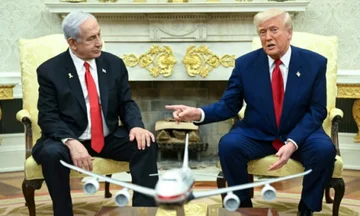
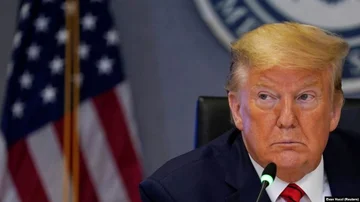
“Everyone in the Balkans will be holding a breath to see if Donald Trump will have a real chance of returning to the White House. If it seems good to him, Serbia would like to continue paused in dialogue with Kosovo, as Trump was attractive to Belgrade's territorial ambitions. If Pristina wants something out of the dialogue, it should get” quickly, Serwer said.
Serwer further speaks of the demand of Kosovo leaders for Serbia to accept the crimes of Slobodan Milosevic's regime, until it finds that such a topic is not good for the beginning, until it says that perhaps an agreement for car signs would be an easier issue to resolve.
Meanwhile, in all the mosaic of current events and how negotiations are going, Serwer says it is currently the situation of “explained” for a big deal. As the American expert says, it may be best to return to small issues “technic”, such as recognising Kosovo's international telephone code, restoring cultural artifacts and mutual recognition of diplomas, including missing persons and license plates.
Serwer says normalisation of reports and mutual recognition are great if they occur, however, says that at the moment, it is better to reach a small deal, since there are conditions for something greater.
Another option is regional negotiation of basic principles of mutual behaviour, which is missing very much. No idea is as great as “the abnormalisation of reports” or mutual recognition. But maybe less is better for now”, says Serwer in the end.