24 minutes ago
G7 call for Kosovo, Serbia dialogue, reaction
Periskopi(4 years ago)
(4 years ago)Despite the G7 call to Kosovo and Serbia for constructive engagement in the dialogue, the two countries failed at the last meeting in Brussels to reach agreement on plates. The foreign ministers of G7, the most industrialized countries in the world, called on Kosovo and Serbia to engage constructively in dialogue and [...]
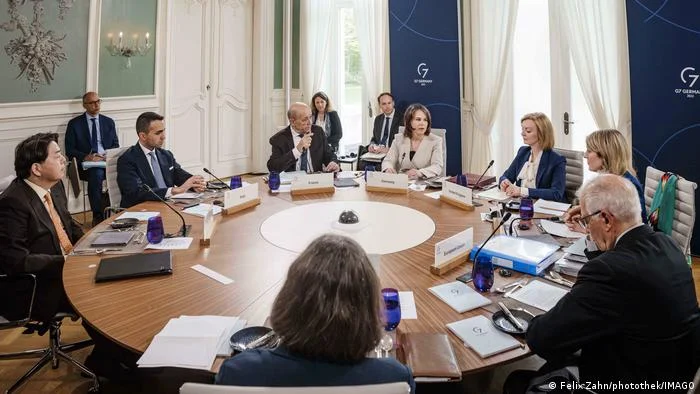
The foreign ministers of the G7, the most industrialized countries in the world, called on Kosovo and Serbia to engage constructively in dialogue and reach agreement on normalising the reports. That call was made just two days ago, on the day when a meeting between Serbia and Kosovo delegations failed in Brussels for the license plates. G7 are part of the United States, Britain, Canada, France, Germany, Italy, and Japan.
“We urge Kosovo and Serbia to engage constructively in the EU-mediated dialogue, fully and without delay all agreements reached in the past, and to normalise their reports through a comprehensive and legally binding agreement, which would allow them to realise their European respective prospects, which would contribute to regional stability and benefit all citizens of the region<1>, it is said among other things in the joint statement of G7 ministers after the three-day meeting in Germany.
Trilateral Meeting Failure
But why did the agreement on plates fail at the May 13th and May 14th meeting between Kosovo and Serbia that was held in Brussels? According to Kosovo's chief negotiator, Deputy Prime Minister Besnik Bislimi the Serbian side continues to reject reaching the agreement and at the last meeting, according to him, official Belgrade refused a three-party meeting where the EU's charge for dialogue would be present, Miroslav Lajcak.
“As far as dialogue is concerned, I suggested that Kosovo continues to be the constructive side in this process, as the other side continues to reject trilateral meetings and our joint efforts with the EU for reaching agreement on license plates and energy”, said Besnik Bislimi, after a meeting with Germany's Western Balkans emissary, Manuel Sarrazin.
Kosovo's chief negotiator for failing to reach the agreement said the Serbian side had initially informed European Union mediator Miroslav Lajcak that it would come with concrete proposals for the license plate issue in line with the criteria set forth with the September 30th agreement.
“Unfortunately we saw a very strange behaviour of the Serbian side, which said we have an idea, but we can't spell it out, we have political problems we can't bring back”, Bislim said.
Why did the Serb side leave
But the Serb side's departure from Brussels and refusal to meet three sides, according to analysts, concerned the fact that Kosovo the previous day applied for membership in the Council of Europe, which prompted Belgrade's harsh reaction. The opposition was the Serbian campaign to attract Kosovo recognitions. The Ministry of Foreign Affairs and the Government of Serbia will continue to work on attracting Kosovo recognitions, Foreign Affairs Minister Nikola Selakovic said.
“As foreign affairs minister, I handed over to President Vucic diplomatic notes of the four countries that attracted recognition of Kosovo and the National Security Council authorised Vucic to inform the broad opinion about which states are concerned, as soon as he deems it necessary”, Selakovic said.
Dialogue between Kosovo and Serbia has started in 2011, and this process aims to finally end with a legally binding agreement between Kosovo and Serbia. Kosovo Prime Minister Albin Kurti wants the process to include mutual recognition, while Serbia's President Aleksandar Vucic seeks a compromise. /dw