5 minutes ago
DAS mentioned mistreatment of prisoners, Justice Ministry says they are diaspora cases
Periskopi(4 years ago)
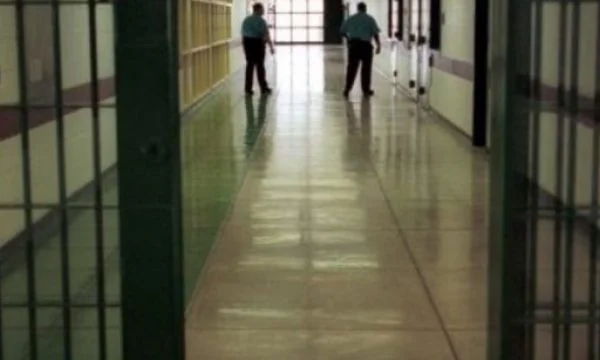
(4 years ago)Mistreatment of prisoners by Kosovo's Correcting Service officials is just one of the points highlighted by the latest U.S. State Department report. The report on human rights practices cites living conditions, health care, and mistreatment that are being done to prisoners in corrective institutions. From the Ministry of Justice [...]
The Justice Ministry states they are working to impose stricter measures for corrective officials. On the other hand, they do not consider the country to be disturbing, publishing such findings in the justice sector, since they say they are diaspora cases.
By July, the ombudsman Institute had accepted five complaints against the Correcting Service. The same include one for mistreatment, three for health care, and one for inhumane living conditions.
The latest DAS report also cites the Kosovar Centre for the rehabilitation of Torture Survivors in relation to monitoring human rights in corrective institutions.
“We like QKRMT are a reference centre for international mechanisms, where the latest report by the US State Department quoted the QKRT as reporting on monitoring human rights in corrective institutions. Where many of our findings are cited in this report, including cases of mistreatment of prisoners. We were monitoring during 2021, we had several cases that we published in our annual report”, says Fatmire Haliti of the QKRT.
Despite such cases, Behgjet Shala from the Council for the Protection of Human Rights and Freedoms says that the treatment of prisoners is better than in the countries of the region.
The treatment of prisoners is not bad; it is not worse than the countries of the region. Now you cannot compare with the treatment of prisoners in Denmark, Norway, and countries where there is long - term stability. Kosovo is a new country and has a service that has been managed by internationals until recently, even now cannot be talked about the full independence of the Kosovo Correcting Service”, he says.
Political adviser to the Ministry of Justice Alban Muriqi says this phenomenon is not systematic.
We don't see much of it as these are reports or very sporadic cases. It is possible and internal mechanisms can deal with time and address them in time. There were people who were placed in charge and the necessary investigations were undertaken. We've seen that the U.S. State Department report quoted some findings. But we have meetings with these organisations and unfortunately we have seen that they have not been able to offer evidence and evidence of their findings. More are at the level of statements and perceptions at the level of prisons”, Muriqi declares for Kosovas.
Muriqi says they are working to prevent these cases.
The Law for the Correcting Service addresses several issues, the Law for Execution of Criminal Sanctions, where following the adoption of the Kosovo Assembly, it will provide administrative guidelines for disciplinary measures against persons who commit these violations. As strict as possible for the correctional staff will be taken. The ministry is committed to extending these reforms to a responsibility and accountability to combat these phenomena”, the political adviser to the Ministry of Justice adds.
The DAS report says that the constitution and laws prohibit such practices, but laws are noncontinently implemented and there have been continued claims by some detained for police abuse and, on a smaller scale, by corrective service personnel.
We remember that there are about 1,500 people in all corrective institutions. / KP