20 minutes ago
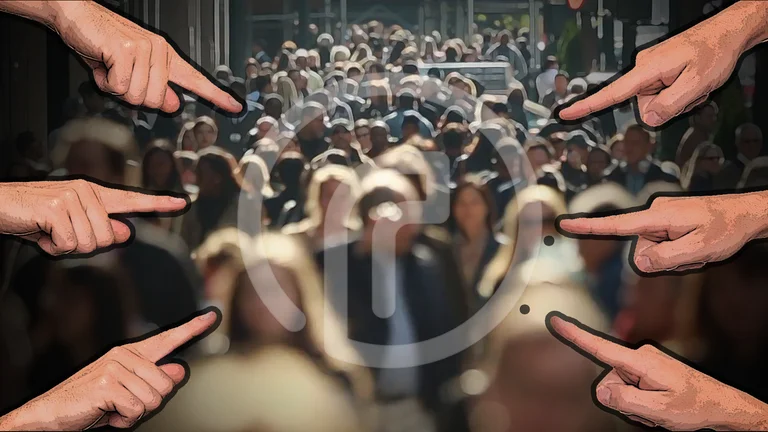
Illustrating Kosovars tell the psychologist about the confusion and impact on his victims
Periskopi(4 years ago)
(4 years ago)The poor-fortunity phenomenon is widespread in Kosovo society. Bulism in the family, at school, at work, on the streets, and now on social networks is considered psychological violence that an individual may experience in a certain situation. They face public figures, but even ordinary people, even [...]
Recently, in Kosovo through the Tik Tok network, a professor from Vushtrria after becoming viral with his special dance, was lynching and thrilled by the move, even directly by an MP. It is Wolfani Fjolla from Vetevendosje Which publicly required disciplinary measures from the professor, as if it promoted improper actions.
Famous Professor Lulzim Paci through a media presentation with tears in the eyes showed the encounter with all the negative comments that had been faced these days. But his virtual support for him began immediately, though very late.
But what do experts say about kindness and the way Kosovo society views this phenomenon?
Psychologist Vigan Behluli in a proposal for Periscope has shown that people in such situations cannot be indifferent to words of harassment. He estimates that Kosovo society to some extent is conscious of kindness, but rather exciting and scoffing about abnormal behavior.
We're aware, but society seems to be not tolerant enough to accept a behavior that isn't completely normal. It's a tendency of society that has seen some individuals as more vulnerable or more suitable for driving. We're very tolerant of this ass. This appears to be present not only at the level of the individual or the family but also at the community level in society, Behluli told Periscope.
Freedom to express yourself and the acceptance of these persons or someone who brings in a little more specific way is something we as a society have to work hard on. It's a little hard to remain indifferent because we as human beings need dogs, feel that we belong to one community, and that we are acceptable to others. At the first moment when someone taunts us or is more aggressive about our expressions, with our individuality in turn, we are forced to feel threatened and influenced, as hard to overcome as insignificant all ridicule or harassment, he adds.
Psychologist Behluli appeals that the development of empathy and tolerance begins early in life.
It has to be from very early ages, the development of empathy, tolerance, and understanding, to be an inevitable part, both of us and of the family who had to worship their children in such form.
Professor Paci's case is not unique. We can remember the famous saying, "ABah, talk to me." The young man from Skenderaj had been locked up and mocked for years for a spontaneous statement on the day of the elections.
Then he's 31-year-old, called Labinot Azemi, has shown that he's been locked up because of his physical appearance. The hard way of life I've spent...”, he said.
He says it has influenced him not to have a job.
Olweus (1987) has defined the confusion as <x0). A phenomenon that occurs when an individual, unable to defend himself, is repeatedly exposed, and over a long period of time against deliberate damage by one or others, directly or indirectly”.
Thus, lily appears in the form of physical or psychological aggression. Physical Bullism involves hitting, biting, pushing, kicking, and taking personal items, while psychologically involving verbal abuse, putting on nicknames, threatening gestures, constantly concealing other items, exclusion from desirable activities./ P ERISCOPI/