24 minutes ago
Senior Atlantic Council adviser: We need to be careful by Putin mention Kosovo and Bosnia
Periskopi(4 years ago)
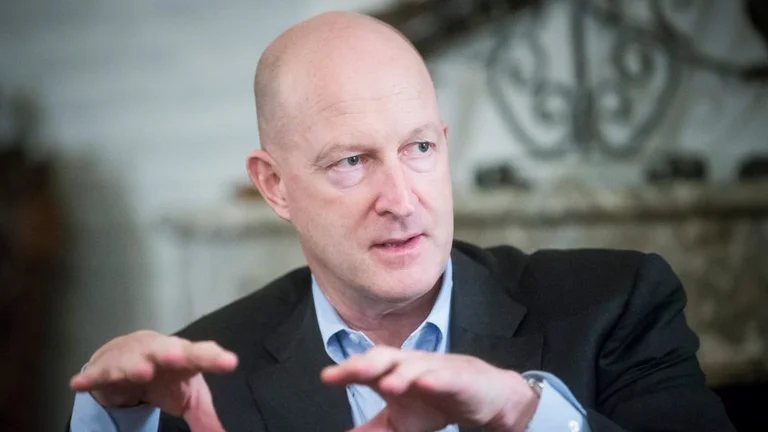
(4 years ago)Senior adviser to the Atlantic Council Ian Brzezinski in an interview for the Voice of America (Serbian language edition) has spoken of the impact the Russian-Ukrainian conflict could have on the Western Balkan region. He has said he should be careful since Putin will try to cause some kind of crisis even [...]
He has said he must be careful since Putin will try to cause some kind of crisis even in the Balkan region. Brzezinski, when speaking of this danger, has cited the existence of the problem between Kosovo and Serbia and the different tensions between ethnic groups in Bosnia and Herzegovina, broadcast Express.
“Putin has operated in the Balkans in a destrutkwi way, from political financing to sabotage. Including attacks on warehouses in Bulgaria. Therefore, we must be careful that Putin will try to do something to cause uncertainty or some kind of crisis in the Balkans. There are some tensions among different ethnic groups in the Balkans in some states, and Kosovo and Serbia are a classic example for this. There are potential for destabilisation in Bosnia, within, and in reports with Serbia. . These are visible examples where Russian intervention may be of interest to Putin as a way to foster a crisis that would distract Western attention”, Brzezinski estimates.
Regarding the danger of spreading this conflict even in the Balkans, Ambassador Jennifer Brush, who served as deputy chief at the US Embassy in Belgrade from 2007 to 2010.
She believes that the possible passage of the situation could be in “Republika Srpska” and in northern Mitrovica, since she says the Russians are actively encouraging the Serb population.
“During the Cold War, the Soviet Union financed the left-wing parties, and now Russians usually finance or support parties that are at the extreme right of political spectrum”, Brush has said.
That analysis of its possible conflict impact in Ukraine has taken place in the context of the Russian and Serb parallel world concept.
Russian “Efforts in Ukraine have largely failed, and this will have a parallel effect on the idea of expanding the Serbian world. This effort will also fail and Serbia must stay within its internationally recognised borders, work on its democracy and not interfere in its neighbour's policy. So the war in Ukraine has a dangerous aspect (in the Balkans), but there could also be a positive aspect -- that would be the end of efforts, desire or support for the idea of a Serbian world. In the end, Russia is the only foreign power to support this idea”, Brus points out, a retired American diplomat who spent a significant part of her career in the Balkans.