3 minutes ago
Albanian youth, become international media news
Periskopi(4 years ago)
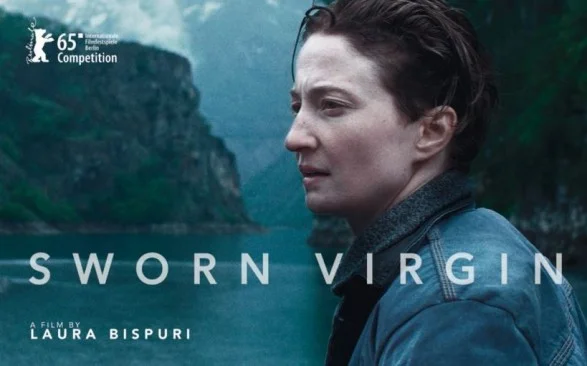
(4 years ago)They are women who dress and act as men, and they are recognized by society - even legally. They were once numerous and lived throughout the Balkan area. Few, mostly elderly, remain today, especially focused in Albania and Kosovo. There are the Burneses, also called sworn virgins, [...]
They were once numerous and lived throughout the Balkan area. Few, mostly elderly, remain today, especially focused in Albania and Kosovo. There are Burrnes, also called sworn virgins, controversial figures and currently subject to numerous gender studies.
They are women who dress and act as men, and they are recognized by society - even legally. They can smoke and drink, forbidden to women, live alone, and keep their hair short.
But what moved a woman to abandon her identity to embrace that male?
Italian magazine E LLE has dedicated a long article to the men of Albanian lands in “Wemen in Society”.
To understand this, which is not easy to define as an election, we must try to understand mechanisms that stand at the foundation of Balkan societies. In fact, in a deeply patriarchal society, it is not acceptable to live without a man's presence. Whether a father, a brother, an uncle, or a husband, the male figure was essential to any family unit, economic stability, and social role. So, what if for one reason or another, one family finds itself without a male figure?
This could happen in the absence of male children (only female birth was always considered a curse) or in the case of the death of male members of a family. But even when a girl refused to marry or when she implied that she had other sexual tastes. In this case, there was a more extreme choice that showed that no woman could live without male authority except by becoming a man himself.
That's why the future Burrenes had to deny her feminine identity to earn that male. It was not a free choice, but a necessity, as evidenced by Kanun, the old code of Albanian behaviour. To become Burrnesha originally meant performing a ceremony in the presence of the most influential men in the village, usually the 12 elderly during which hair was cut and men's clothing was adopted, as well as the shoulder rifle.
The festival followed the bath of rakhi and other alcoholic beverages that Burrensha had to drink until she got drunk. It was an extreme ritual, even because since then nothing would be the same. From a woman without authority and justice, the girl would take a role within society and family, where she became an undisputed leader. All of this, with whom to deny feminity forever, becoming man in all respects.
“Today, a few hundred Burrenes, almost all of them older. It seems that Albanian and Kosovo society has finally eliminated this practice, which forced many girls into a forced gender change and very often dictated by the barbarous demands of a patriarchal society. A society that saw women submit only to the reproductive and caring function of the family, which did not understand their sexual and psychological differences”, concludes the article.