3 minutes ago
Kosovo-based Afghans are not allowed out of camp where they are staying
Periskopi(5 years ago)
(5 years ago)Close to 1,000 is the number of persons endangered by internal conflict in Afghanistan that have been temporarily sheltered in Kosovo so far. While 161 Afghan nationals are located at the US military base Bondsteel, most have been sheltered in the former Bechtel Enkas camp, as well as in Ferizaj. Only for the first group of 111 [...]
While 161 Afghan nationals are located at the US military base Bondsteel, most have been sheltered in the former Bechtel Enkas camp, as well as in Ferizaj.
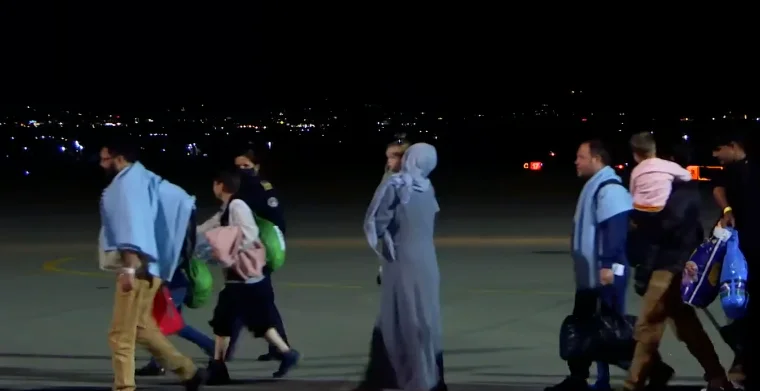
Only for the first group of 111 Afghans, which landed in Pristina on August 29th, state expectations were organised with the presence of the media while the footage was allowed from a limited distance.
Unlike Albania, the institutions of the Republic of Kosovo, but neither the United States Embassy of America, so far, have allowed the near-to-side or within these two camps.
Local institutions have not indicated whether there are persons among the fugitives from other categories, except those who have worked for NATO and the US.
And neither is the reason why shelterers are allowed out of the camps.
In a response to ATV, the American Embassy, as it speaks only of the shelterers at Liya camp within the Bondsteel military base, cited security as the cause for the decision.
To ensure the health and security of Afghan guests and Kosovo hosts, the Government of Kosovo has determined that Afghans temporarily sheltered in Camp Liya must stay within its borders, while the US Inter-initive teams are working to complete the processing for their entry into the United States or shift to any third country”, the Embassy's response said.
The shelterers, the embassy reports, will also be offered education and training.
“We are taking the necessary steps to ensure a safe and comfortable environment in Camp Bondsteel, while continuing the processing needed for these individuals. This involved access to secular and spiritual spaces. Furthermore, we are looking at opportunities for partnership with non-governmental organisations and civil society to provide education and training for Afghan children and adults, depending on the time of their stay at Camp Liya”, it is said further in response.
Maintaining the identity of those sheltered because of their commitment to Afghanistan is reason for keeping them locked up in the camp and not allowing footage inside, says Avni Islami, a science doctor in the field of security.
Citing that the whole process is under way in privacy, other security expert Drizan Shala says the sheltered persons are being protected because of their exposure and their eventual commitment in the future.
Weeks ago, the American Embassy rejected US media reports that Afghan nationals could be sent to Kosovo, which should be subject to verification of further security causes.