a minute ago
Kosovars accept the digital certificate of vaccine: It's working for other countries to accept
Periskopi(5 years ago)
(5 years ago)The Republic of Kosovo recognises COVID -19 digital certificates of states approved by the European Commission, but is still not part of the digital system of these certificates. Health Ministry officials said they are working closely with European Commission responsible for accepting certificates for Kosovo's immune citizens as well. [...]
The digital certificate COVID-19 is within the European Union since 1 July 2021. This certificate allows EU citizens to move freely to the 27 states of the European bloc, if they are vaccinated with vaccines authorised by the European Bars Agency (EMA). The population immunization process in Kosovo has started in March, and so far, about 400,000 citizens have been vaccinated with the second dose against coronavirus. Inoculated ones in Kosovo are equipped with a vaccine card for COVID-19.
In addition to this QR code cartel (insisting the status about vaccination), the Republic of Kosovo has also designed the digital certificate for free movement in various states, the Ministry of Health answers said. This was approved by the Counter-Communification Committee. COVID-19 in Kosovo and is working closely with relevant European Commission actors, following relevant procedures so the same can be accepted, it is said in response.
Any procedure required by the European Commission will be met in order for Kosovo's digital certificate to be recognised. In response to the UN, it is also said that some issues are out of the ministry's reach, but that this institution will fulfill its responsibilities, which are due to this certificate, in relation to foreign parties.
The Ministry of Health's <x0.0.
Of the countries in the region, the European Commission has approved Albania's digital vaccine certificate on Wednesday, while on August 20th, North Macedonia has also been accepted in the digital certificate system.
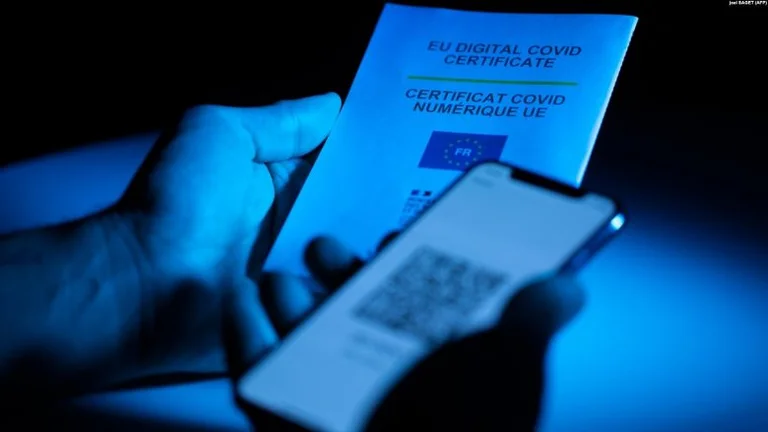
The digital certificate is issued free of money and is printed as well as digital formats and will be valid for one year. The certificate has a QR-Cod with information, such as name, birth date, state that issued this document, type of vaccine (or immunity evidence) and when the certificate holder has been vaccinated.
Edona Deva, a public health specialist in Kosovo, says that competent authorities' commitments should be unstoppable because digital certificates have been transformed into passport for movement. She considers Kosovo to be part of the digital system of these certificates, as vaccines approved by the European Barnat Agency are administered in Kosovo. Deva shows that during the summer it has travelled from Kosovo to the country of Croatia, which is a European Union country, but says there has been no problem with the certificate of vaccine issued by Kosovo authorities. In Kosovo, vaccines of Pfizer and AstraZeneca are administered.
“I am not notified of the health ministry's efforts in this regard, but I can say that commitment should not be stopped, because travel cannot be stopped due to recognition or non-recognition of a certificate”, Deva points out.
Integration into the digital certificate system, in technical terms, is not a problem for Kosovo, says Dritt Elshani, the telecommunications issue expert. This information can be stored on the phone or in other mobile devices, which the traveler later shows to airline workers or border officials.
The digital certificate in technical terms should be accessible via mobile phone, so that the QR code can be scand by authorities at the border. When the code is scanned, it proves that the person received the vaccine. Kosovo has to work technically, and this is not difficult to achieve. Kosovo can easily implement this process in order to integrate into the digital certificate system, if there are no further requirements from the EU”, Elshani says.
But to enter and exit one person to and from the Republic of Kosovo, according to measures in power, to prevent and fight coronavirus, established on September 13th by the Government of Kosovo, must possess one of the following evidence: the certificate of vaccine for full vaccine or the taking of a dose of the vaccine against COVID-19, negative RT-PCR testing for COVID-19, no older than 72 hours or evidence that the person has passed COVID-19 (test RT- Positive PCR released no less than 21 days and no more than 180 days or positive results of the test of Serological antibodies IgG, released mostly 30 days ago, or fast negative antigen testing no older than 48 hours.
If they do not have such evidence, they must be self - possessed in seven days. /Rel/