6 minutes ago
New pandemic waves, natural disasters, cyberattacks...
Periskopi(5 years ago)
(5 years ago)The new wave of the coronary pandemic. Natural disaster in China and Germany. Cyberattacks targeting the key points of South Africa. These developments have pushed the global supply chain towards destruction, threatening to carry basic materials and some consumer products, some companies, economies and transport specialists have said. Delta version of [...]
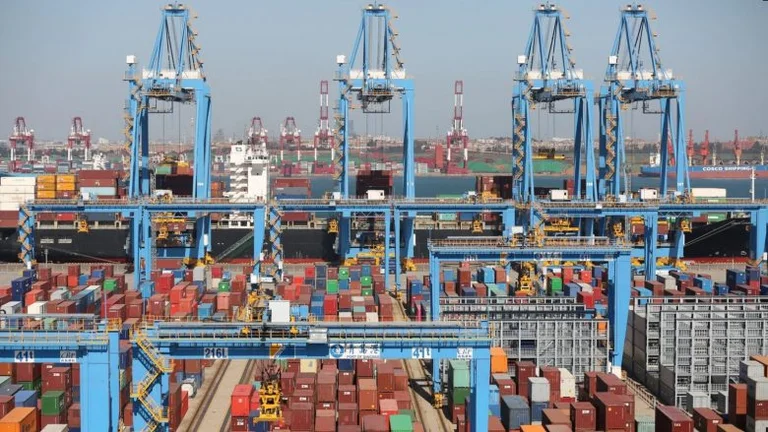
These developments have pushed the global supply chain towards destruction, threatening to carry basic materials and some consumer products, some companies, economies and transport specialists have said.
Coronervirus version Delta has seriously damaged parts of Asia and has encouraged many nations to limit access to sailors, complicating team management.
Given that shipping makes up about 90 percent of the world's trade, marine teams are affecting supply barriers from oil to food and electronics.
German company Hapag Lloyd has described the situation as extremely challenging “”.
“Ship capacity is very small, empty containers are few, and the operational situation at several ports and terminals is not improving”, the company has said.
We expect this situation to last even in the fourth quarter of the year, but it is very difficult to predict”.
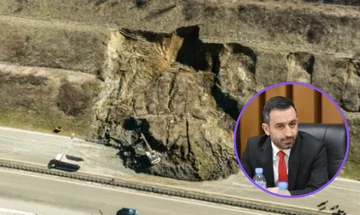
Meanwhile, deadly floods in giant economies like China and Germany have damaged even more the supply chain, which has not yet recovered from the first wave of pandemic, risking trillion dollars of economic activity dependent on them.
Chinese floods are restricting the transport of coal from the mined areas, while thermal power plants need to meet major demands during the summer months.
In Germany, road freight has declined considerably.
Car producers, for example, are being forced to stop production due to damage caused by the coronavirus explosion. The Toyota company said last week it would stop working at several factories in Thailand and Japan because the necessary parts were not secured.
Stellantis has temporarily suspended work at a factory in the United Kingdom because a large number of workers have had to be isolated as a result of the coronavirus.