10 minutes ago
British Professor: Kosovo won't change anything if I stay alone seeking recognition from Serbia
Periskopi(5 years ago)
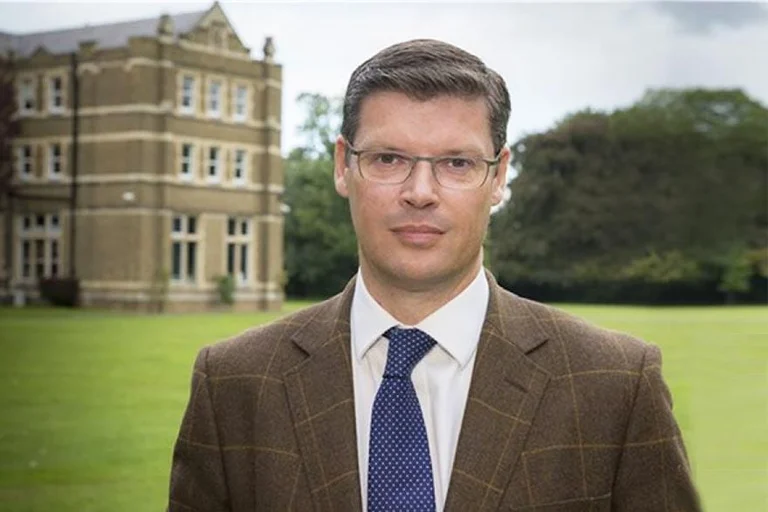
(5 years ago)Professor from London School of Economics James Ker-Lindsay describes the process of dialogue between Kosovo and Serbia as being stuck, and blames it on the European Union. The day Kosovo and Serbia will normalise the reports seems distant. Brussels' role as mediator in the process is seen as weak. British professor James [...]
The day Kosovo and Serbia will normalise the reports seems distant. Brussels' role as mediator in the process is seen as weak.
British professor James Lindsay is seeing the dialogue process as stuck and pointing its finger at the European Union.
“We are simply going around without any fresh opinion from either the European Union. I don't see that this process will have progress. The European Union has done very little to stimulate the parties. He has failed to send a message of expansion towards the Western Balkans. If I want to be more honest some of the most innovative ideas are blocked by Berlin. After all, it is up to the parties to work around the final solution, and that should be supported, not blocked by the EU and partners”, Lindsay said. RTV Dukagjin.
The expert says that because of changes in geopoliticality, Serbia is already more favoured than Kosovo, and according to him, this thing in Kosovo is not easily accepted by people, Telegrafi notes.
“As far as the current position of Pristina is concerned, it says Serbia should recognise Kosovo will not change anything. Belgrade has little reason for doing so at the moment and is not going to pay any higher price for it. Serbia, whether it recognises Kosovo or not, has no guarantee that it will join the European Union. Meanwhile, Kosovo is the side that has its doors closed by many international mechanisms. With a weak role of the EU in Kosovo, and great Russian and Chinese influence in the Balkans, Serbia is a stronger position than ever”.
The process of dialogue between Kosovo and Serbia began in 2011 and from a technical dialogue has turned into political dialogue.