11 hours ago
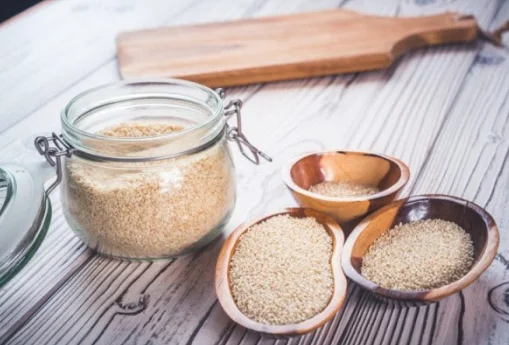
Why should we use sesame more often in food?
Periskopi(5 years ago)
(5 years ago)Susam seeds offer numerous health benefits, but many do not use it at all on their diet or rarely. They are only a fine source of fibers for your digestive system and healthy hearts, but they are also full of important vitamins and minerals for your organization. Minerals like [...]
Susam seeds offer numerous health benefits, but many do not use it at all on their diet or rarely.
They are only a fine source of fibers for your digestive system and healthy hearts, but they are also full of important vitamins and minerals for your organization.
Minerals such as calcium, copper, and magnesium in sesame seeds preserve your immune and nervous systems, strengthen bones, and reduce inflammation.
In addition, the high concentration of voracious fat acids contained in sesame helps lower cholesterol.
Sussam seeds have high food value and offer numerous health benefits for preventing the disease and improving existing health conditions, including high cholesterol, osteoporosis, high blood pressure, and arthritis.
If you regularly use it on your diet, the results will certainly not be lost. Whether the bark has been removed or left intact, sesame seeds are a good source of dietic fibers. But the seeds of cleansed sesame are a better source of healthy fiber for the heart.
People who eat more fibers have 15 to 30 percent less likely to die prematurely of heart disease, according to an analysis published in “magazine Lancet”
Consumption of fiber-rich foods was accompanied by 16-24 percent lower heart disease, strokes, Type 2 diabetes and colon cancer.
Susam seeds contain healthy plant lines that reduce inflammation and risk heart disease and certain cancers, such as breast and colon cancer.
They also contain little omega-3 fat, which is associated with a lower risk of premature death in the elderly, according to “Live Strong”.
Research shows that the type of fat you eat is more important than total fat intake, according to an article published in the professional BMJ magazine.
For example, consuming foods with many voracious fats, such as sesame seeds, instead of full fats, can help reduce the risk of heart attack and stroke, according to the Mayo Clinic.