a day ago
How does blood cancer affect the human body, and how can it be cured?
Periskopi(5 years ago)
(5 years ago)Blood cancer is the term umbrella for cancers that affect blood, bone marrow, and lymphatic systems. Most types of blood cancer are rare, life - threatening diseases. Blood cancer is seven percent of all cancers. More than 900,000 people worldwide are diagnosed with cancer [...]
Most types of blood cancer are rare, life - threatening diseases.
Blood cancer is seven percent of all cancers. More than 900,000 people worldwide are diagnosed with blood cancer each year, yet many people are not yet aware of these often incurable serious diseases.
Because of the different natures of blood cancer, regardless of severity, these are often conditions for which most are not aware. There are approximately 140 different types of blood cancer: the main species are leukemia, lymphoma, and mieloma multipleple.
Because of complex nature, often rare blood cancer, patients sometimes ignore symptoms and avoid examinations, especially in the past, when the coronary virus was an excuse for much to avoid examinations.
It is important to know that blood diseases have a much higher mortality rate than corruption,” said the Croatian Association of Hematology.
Most blood cancers, also called hematological cancers, begin in the bone marrow, where blood is produced. Blood cancers occur when abnormal blood cells begin to grow out of control, disrupting the function of normal blood cells that fight infection and produce new blood cells.
The three main types of blood cancer and bone marrow are leukemia, lymphoma, and mieloma. Each has different symptoms, treatments, and prognosis and is divided into acute and chronic blood cancers. While certain types of blood cancer affect children, symptoms and treatment may vary between children and adults.
Acute leukemia is aggressive diseases that should be treated as quickly as possible with chemotherapy with the use of extensive support therapy. Those chronic lymphatics most often affect the elderly over 65 years old, and unlike acute ones, this leukemia is not aggressive. Chronic leukemia in most patients can be thoroughly controlled by drugs.
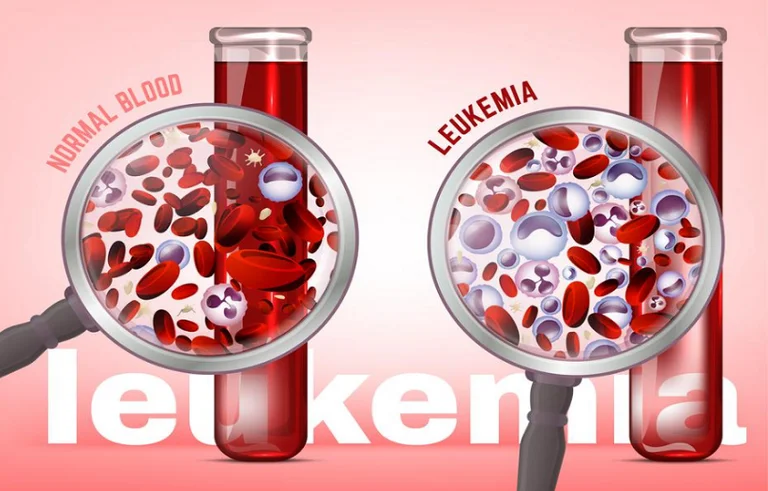
Leuchemy is a blood cancer derived from blood and bone marrow. It occurs when the body produces many abnormal white blood cells and intervenes in bone marrow ability to produce red blood cells and thrombocity.
Non-Hodgkin cells are a blood cancer developing in the lymphatic system from cells called lymphocite, a kind of white blood cell that helps the body fight infections. It is characterized by the presence of an abnormal lymphocytes called Reed-Sternberg cell.
Multiple myeloma is a blood cancer that begins in plasma blood cells, a type of white blood cells formed in bone marrow.
What causes blood cancer?
All blood cancers are caused by DNA changes in blood cells. This causes blood cells to begin to behave abnormally.
In almost all cases, these changes involve things we cannot control. They occur during a person's lifetime, so these are not genetic defects you can transmit to your children. While we usually do not know exactly why someone developed blood cancer, there are things known to increase the risk.
The risk of leuchemy's appearance increases with age, except in acute lymphium, where the highest acidity is recorded in childhood.
Other risk factors are the use of chemotherapy, exposure to certain chemicals, or radiation, the development of bone marrow damage - mielodisplasia (formerly called preleucia), some genetic diseases like Down syndrome. The way these factors contribute to danger depends on the type of blood cancer.
Unlike some other types of cancer, dietary and exercise factors have little effect on the risk of developing blood cancer. However, a healthy way of life can significantly reduce the risk of other cancers and other diseases.
The development of leukemia is unpredictable, and there are very few cases of family grouping of such diseases and, unlike some strong mountaines, they have nothing to do with family heritage, so one year a medical and basic laboratory should be tested.
When the disease is discovered in the process of transforming into acute leukemia, treatment consists of drugs and sometimes chemotherapy, and then transplantation of alogen stem cells.