10 hours ago
Why should we take the vaccines on our arm?
Periskopi(5 years ago)
(5 years ago)Muscles make an excellent site of vaccine management, since muscle tissue contains important immune cells. These immune cells recognize antigen, a small part of a virus or bacteria introduced by vaccines that stimulate an immune response. In case of COVID-19, immune cells in muscle tissue take these [...]
These immune cells recognize antigen, a small part of a virus or bacteria introduced by vaccines that stimulate an immune response.
In the case of COVID-19, immune cells in muscle tissue take these antigens and present them in the lymph nodes. The injection of the vaccine in muscle tissue keeps the vaccine located, allowing immune cells to set off alarms in other immune cells and to become useful.
Once a vaccine is recognized by immune cells in muscle, these cells carry antigen into lymphatic vessels that transport immune cells that carry antigen into lymph nodes.
The lymph nodes, the main components of our immune system, contain more immune cells that know antigens in vaccines and begin the immune process of building antibodies.
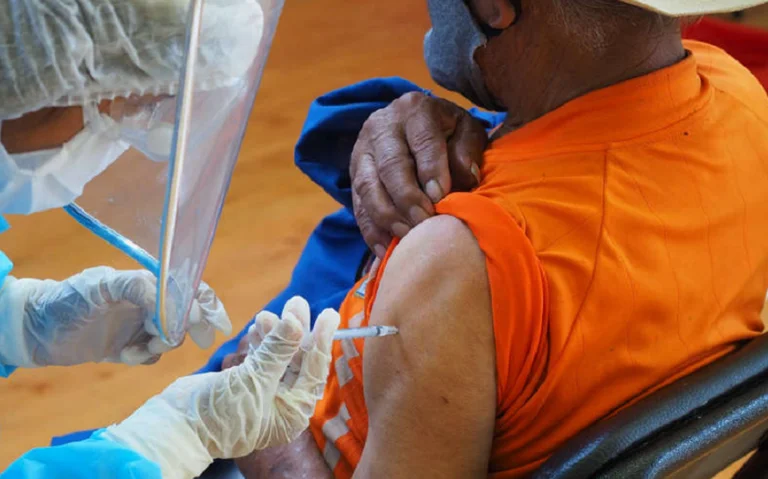
The clusters of lymph nodes are located in areas near vaccine management sites. For example, many vaccines are injected into deltoid as it is near the lymph nodes placed just below the armpit. When vaccines are given in thighs, lymphatic vessels have little to travel to reach the pile of lymph nodes on their hips.
The muscle tissues also tend to retain the reactions of the localised vaccine. An injection of a vaccine in the detoid muscle can result in inflammation at the injection site. If certain vaccines are injected into the fat tissue, the chance of irritation and inflammation response increases because fat tissue has a weak blood supply, leading to the weak inhalation of certain vaccine components.
Vaccines involving the use of aides or components that increase immune response to the antigen must be made in muscle to avoid widespread frustration and inflammation. The vaccines act in various ways to stimulate a stronger immune response.
However, another crucial factor in the location of the vaccine management is muscle size. Adults and children over three years of age tend to receive vaccines on the upper wing in deltoid. The youngest children receive their vaccines in the middle of the thigh because the muscles in the arm are smaller and less developed.
Another consideration during the vaccine's management is the patient's comfort and acceptance. Can you imagine taking your pants off in a mass vaccination clinic? Opening your sleeve is much easier and more popular.
For these reasons, the upper arm is easily accessible. All the things taken into account when it comes to the flu vaccine and the anti vaccine. CO VID-19, for most adults and children, the arm is the favorite route of vaccination.