3 minutes ago
Same thing: Kurti II's foreign policy programme rated same as past governments
Periskopi(5 years ago)
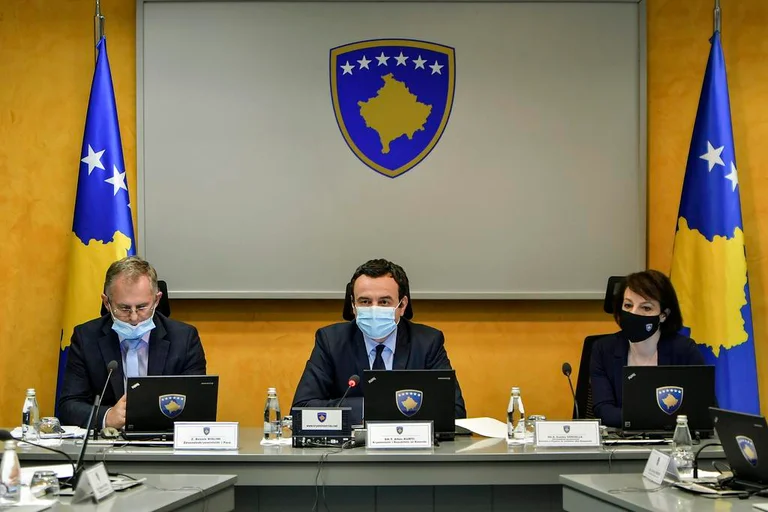
(5 years ago)The government's Kurti II programme for foreign policy is being assessed the same and repetition of positions with preliminary governments in recent years. New recognitions, membership in international organisations, the EU integration process, visa liberalisation, the empowerment of the exile, and dialogue with Serbia are considered to be among the joint governing programmes. [...]
Institute Director E PIK, Demush Shasha says about KosovaPress, that government programme Kurti II, for foreign policy in general, is repeat the positions we have seen before and there are no fundamental differences in key topics.
The “is generally a repeat of the positions we have seen in the Kurti I government programme and government programme Hoti. As for foreign policy, dialogue and the process of European integration is not that there are fundamental differences... The common is that in foreign policy all these programmes have spoken about the same thing -- recognition of Kosovo's independence by as many states, Kosovo's accession to as many international organisations as possible. As far as strengthening their role is concerned with the European integration process, visa liberalisation on one hand, gaining candidate country status on the other. As for dialogue with Serbia, reaching final agreement. So basically all the programs in the last few years talk about the same things, there's no innovation of” he says.
But Shasha differences say he has seen in the programme for dialogue with Serbia. According to him, it speaks of principles and expectations for dialogue, but not about establishing reciprocity and drafting a platform like in the government Kurti I.
“As far as dialogue with Serbia is concerned, government programme Kurti I spoke of establishing the reciprocity measure. Government programme Kurti I spoke of drafting a platform for dialogue with Serbia. If we read the program now, neither is mentioned. It's about principles, it's about dialogue, it's about what we expect from dialogue, but there's no mention of platforms and there's no such thing as reciprocity”, says Shasha.
Although welcoming the commitment to strengthening Kosovo's international subjectivity in the process of new recognitions, political analyst Blerim Burjani says the Kurti II Government should have a strategy for recognition by the five EU nations.
“There is no strategy for the five EU nations that have not recognised Kosovo. There is no programme that talks about connection with these states, as Kosovo should have a department within the MPJD that talks about lobbiing and establishing ties with the five EU states that have not recognised Kosovo. Kosovo could do more, drawing in cultural, scientific and historical ties”, he says.
In the part of dialogue with Serbia, the Kurti Government has envisioned in its governing programme literal preparation and joint agreement with the US, besides EU mediators.
Kosovo's “government will participate in dialogue with Serbia with clear principles and the goal that the final agreement apart from interstate issues will include mutual recognition among states recognition by the remaining five EU nations and the guarantee for UN membership. In addition to the European Union's mediating role, the government of Kosovo views it as very important to co-ordinate partners from the United States. The Kosovo government considers participation in the dialogue should be done based on real preparation and common agreement on topics that need to be dialogueed. For this process we will co-operate with international partners and invite all political parties, as well as engage renowned experts who have contributed to this direction”, says the government programme Kurti II.
Among other things, it mentions empowering Kosovo's international subjectivity as well as reviewing the functionality of foreign service as a whole. The government Kurti II last Friday approved the governing programme, after 48 days of taking office.