4 months ago
Kamberi: We expect meaningful agreements from dialogue if the Valley is treated
Periskopi(5 years ago)
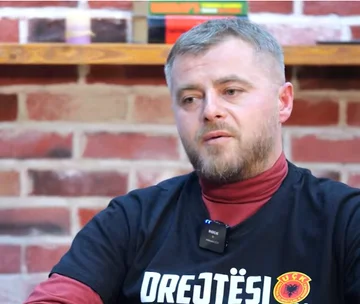
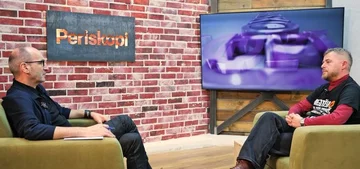
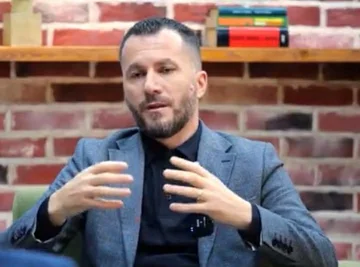
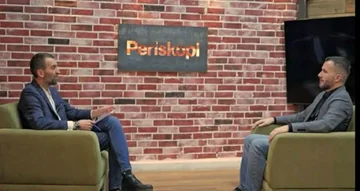
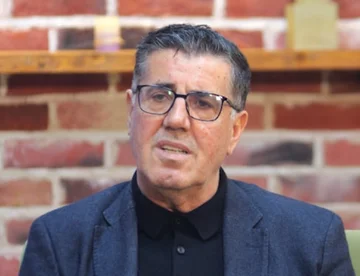
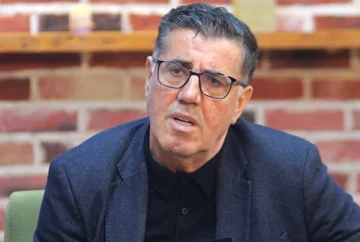
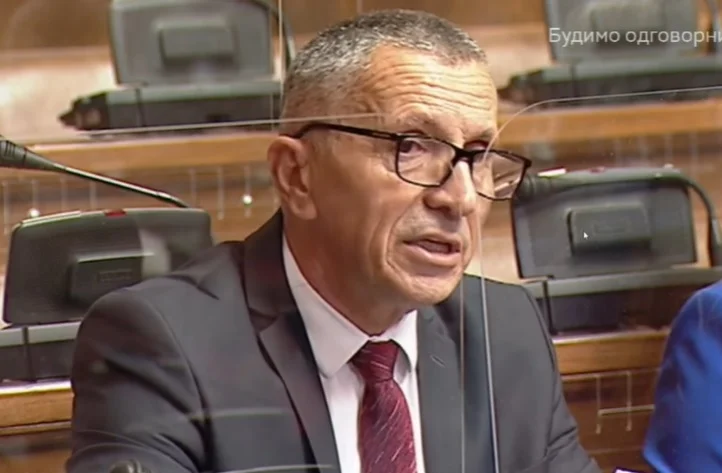
(5 years ago)Albanian MP in Serbia Shaip Kamberi, who vilged Serbia's Assembly by placing the red flag and with the first Albanian speech at the institution, says the Serbian government led by Ana Brnabyq ignores the political demands of the Presevo Valley. He, in an interview for Klonkosova.tv, has indicated he welcomes the resumption of dialogue [...]
He, in an interview for Klonkosova.tv, has indicated he welcomes the resumption of Kosovo-Serbia dialogue, adding that the Presevo Valley must also be in the agenda of this process.
We do not believe in meaningful agreements if Presevo Valley and Albanian rights will remain untreated themes. We expect the government in Pristina to insist on respecting the reciprocity principle for Albanians' rights to the Presevo Valley”.
Kamberi has stated that it still cannot be said that Albanians in this area have an adequate treatment from the Kosovo government and the Albanian government.
We are in the phase of the existence of political decisions for opening the Presevo Valley office by the preliminary government in Pristina, but that office has not yet been functional. The new government's position is not clear about the future of this office. Will she have a concrete programme? Will you be passed a budget to support that program?
INT PLOSE ERVIS:
What are the biggest problems facing Albanians in the Presevo Valley?
Shaip Kamberi: The problems are numerous, from sub-representation in state institutions, lack of economic perspective, non-recognition of diplomas from Kosovo universities, the permanent presence of military forces that provide the impression of the state of emergency these are some of the forms of multi-year discrimination of the Serbian state that Albanians are subject to.
Has the government's approach to the Presevo Valley changed? Do you have any support?
Shaip Kamberi: The Brnabiq 2 government continues with the same approach of ignoring the political demands of Albanians in the Presevo Valley. Even this composition of the central government in Belgrade testifies to the Serbian state's discriminating policy and approach to our demands. Despite Serbia's finding itself in the process of European integration, and is declarically saying it is aimed at full EU membership, it continues with discrimination against Albanians, treating them as second-class citizens.
What's the situation with COVID-19 in Presevo Valley? How much has the economy been hit, and is there enough doses of vaccines?
Shaip Kamberi: In this regard, the situation is more convenient. The heavy wave of COVIID-19 that had hit our municipalities last year and the beginning of this year and that had caused the deaths of some in Bujanoc and Presevo, seems to be better, as in the last two weeks, the number of infections is dropping. The vaccine supply is satisfactory and citizens have the possibility of vaccination.
How much support does Presevo Valley have from the Kosovo government and Albania?
Shaip Kamberi: Still cannot say that we have an adequate treatment from the government in Pristina and in Tirana. We are in the phase of the existence of political decisions for opening the Presevo Valley office by the preliminary government in Pristina, but that office has not yet been functional. The new government's position is not clear about the future of this office. Will she have a concrete programme? Will that program be passed on a budget?
Kosovo Prime Minister Albin Kurti has said that talks on Kosovo-Serbia dialogue will begin by June. Do you think Kosovo's negotiating team should also have representatives of the Presevo Valley, as well as have you been invited by the Kurti Government to discuss the Valley's position in the Pristina-Belgrade dialogue?
Shaip Kamberi: It is important to start negotiations that need to be prepared. I hope for a more direct American commitment together with the EU that will also help the eventual agreement. Of course, it is important that the end of the talks bring the process of mutual recognition between Kosovo and Serbia, but that the issue of the Presevo Valley is also part of the new agenda of talks. We do not believe in meaningful agreements whether Presevo Valley and Albanian rights will remain untreated themes. We expect the government in Pristina to insist on respecting the reciprocity principle for Albanians' rights to the Presevo Valley.