4 minutes ago
Who is it and what does Hamas want the movement that has power over Palestinians?
Periskopi(5 years ago)
(5 years ago)*The following document was received by the BBC and translated by P ERISCOPY. Hamas is the largest Islamic militant group in Palestine among many others. Her name is an Arabic acronym for “The Islamic Resistance movement”, which the foundation is in 1987 after the beginning of the first instance, a Palestinian uprising against [...]
*The following document was received by the BBC and translated by P ERISCOPY.
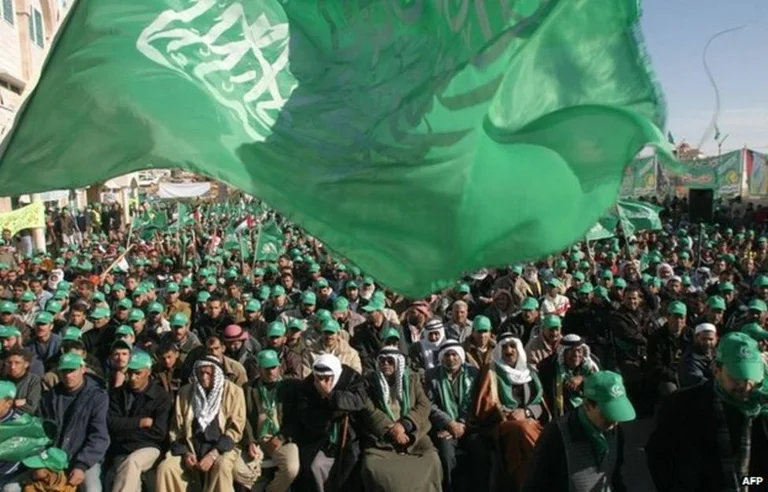
Hamas is the largest Islamic militant group in Palestine among many others.
Her name is an Arabic acronym for “The Islamic Resistance movement”, which the foundation is in 1987 after the beginning of the first instance, a Palestinian uprising against Israeli invasions in the Gaza Strip and West Coast.
At its beginnings, the group had a dual goal of organising an armed move against Israel led by its military arm, the Izadine al-Qassam ] Brigades and offering social welfare programmes, the BBC writes.
But from 2005 onward, she also engaged in the Palestinian political process, becoming the first Islamist group in the Arab world to win elections in the polls [before deciding her powers in Gaza by ousting the Fatah group's rivals].
Hamas as a whole, and in some cases only military arm, has been designated a terrorist group in Israel, the US, the EU, the United Kingdom and in several other states [including Kosovo]. In one of its chapters, the group says it is committed to destroying Israel.
However, its supporters see Hamas as a legitimate movement of resistance.
In May 2017, the group published a new policy document for the first time since its establishment. There he announced his willingness to accept a Palestinian interim state with the pre 1967 borders, without Israel's recognition, and without repeating the anti-Hebrew language in any of the chapters.
The text was seen as an attempt by Hamas to soften its image, although the group made it clear that it had not removed the chapter seeking the destruction of the state of Israel.
In 2006, Hamas' shocking victory in elections for the Palestinian Legislative Council. [ The PLC], but tensions with Fatah's rivals and with President Mahmoud Abbas' Palestinian Authority grew.
Deadly clashes between Fatah and Hamas erupted in Gaza in June 2007, after which Hamas established a parallel government.
Israel holds Hamas responsible for all attacks coming from the Gaza Strip, and has carried out [the editorial is written in 2017] three major attacks on Gaza.
Israel's offensives were preceded by escalations of tension and fighting in border areas, with missiles being thrown out of Gaza, and air strikes against them by Israel [as it is now].
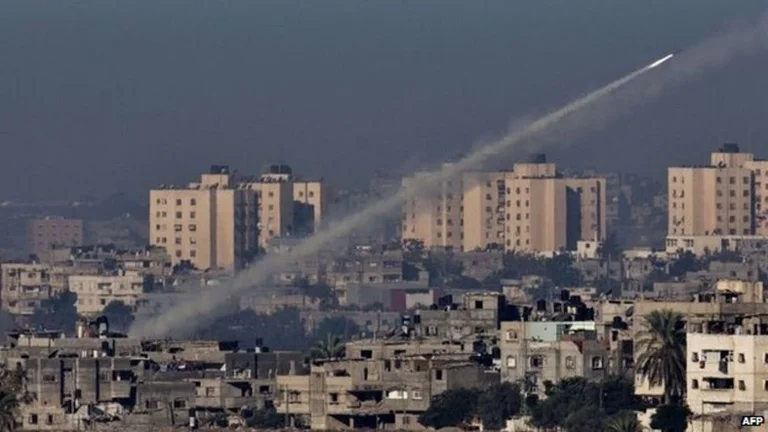
Hamas emerged from the conflicts of 2008 and 2012 militarily weaker but with increased popularity among Palestinians in Gaza and the West Coast.
The terrorist group anyway continued to face difficulties after the joint blockade imposed on Gaza by Israel and Egypt, and thus became increasingly isolated after losing relations with regional powers after the Arab Spring. A terrible blow for them was the overthrow of Egyptian President Mohammed Morsi in July 2013, who was a key ally.
In April 2014, Hamas accepted an agreement with Fatah that led to the formation of a national unity government that was never fully implemented.
Suicide Bombs
Hamas gained fame after the first instance as the main opponent of the Peace Agreement in Oslo between Israel and the Organisation for the Liberation of Palestine. [ PLO.
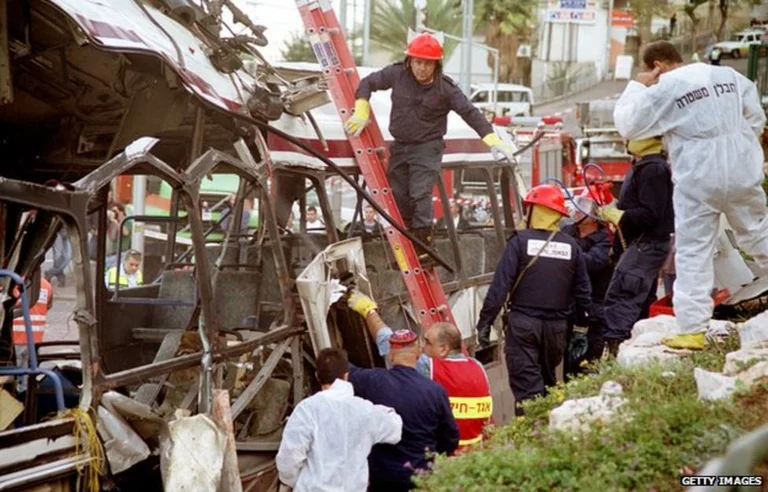
Despite Israel's numerous operations against her, Hamas took power over the process of launching suicide attacks.
In February and March 1996, she carried out a series of suicide bus attacks, killing nearly 60 Israelis in retaliation for the December 1995 murder of Hamas' bomber Yahya Ayyashi.
These bombings are blamed by many for driving the Israelites out of the peace process and bringing Benjamin Netanyah a strong opponent of the Oslos ruling agreement.
In the post-Oslo world, Hamas gained power and even greater influence.
Hamas organized clinics and schools, which served Palestinians who felt left behind by the Palestinian Authority [of Mahmoud Abbas], whom they considered corrupt and inefficient.
Many Palestinians had welcomed the wave of Hamas' suicide attacks in the five years following the second [intifada] uprising.
They saw “martity operations” as taking revenge for the losses suffered and for the construction of Israeli settlements in the West Coast, which were required by Palestinians as part of their state.
Following the death of Fatah leader Yasser Arafat in 2004, the Palestinian Authority was taken by Mahmoud Abbas.
He saw Hamas' rocket attacks as counterproductive, causing little damage to the opponent but provoking strong responses from the Israeli army.
When Hamas won the elections in 2006, the scene for a bitter power struggle with Fatah and Abbasi was opened.
Hamas has resisted all attempts to accept past agreements that Palestine has made with Israel, as well as to acknowledge Israel's legitimacy and give up violence.
Hamas defines historic Palestine, which includes modern - day Israel as Islamic land, and excludes any possibility of peaceful agreement with the Hebrew State.
The status of this terrorist group that has power in Gaza also attacks Jews as humans by being thus anti-Semitic.
Hamas, however, has offered a 10-year ceasefire agreement in exchange for Israel's withdrawal from territories occupied in 1967: West Coast, Gaza and East Jerusalem.
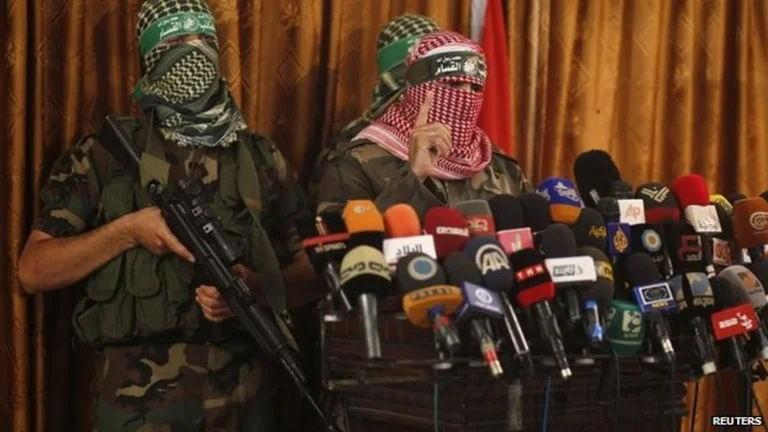
This group of militants insists that millions of Palestinian refugees from 1948 onward should be allowed back home in what threatens the existence of the Israeli state itself.
Over the years, Hamas has lost many members following the killings that have occurred to them by Israel.
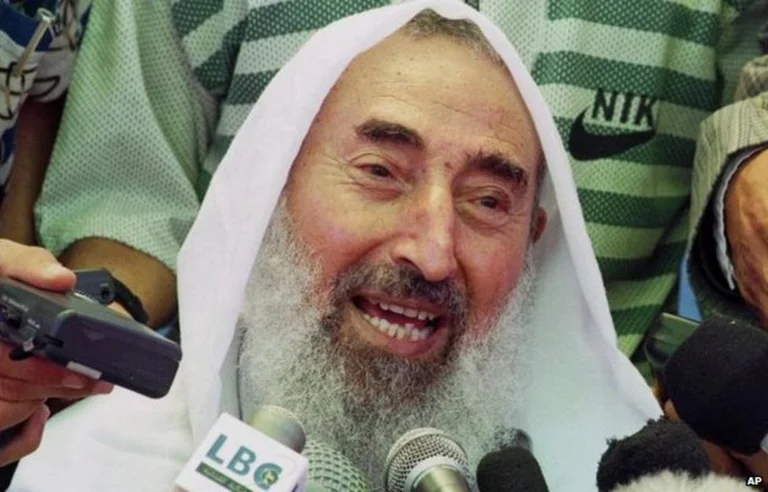
Sheikh Yassin was killed by a rocket attack in March 2004
Abdul Aziz al-Rantiss came out as Hamas' leader, but he was killed in April 2004
Other officials include Salah Shehada, killed in July 2002; Ismail Abu Shenab killed in August 2003; Said Siyam killed in January 2009 and Ahmed Hebar killed in November 2012.
After Sheikh Yassin's death, Khaled Meshaal became the political leader of Hamas in the current. He was succeeded by Gaza-based Ismail Haniya in May 2017.
Sanctions
Hamas' decision to participate in the 2006 elections was a crucial step for the movement.
The new government was subject to serious economic and diplomatic sanctions by Israel and its allies in the West.
After Hamas had ousted Fatah from Gaza in 2007, Israel tightened even more blockades against the territory, and the missile war continued.
In December of that year, Israel launched a 22-day operation to prevent missile attacks coming from Gaza. More than 1300 Palestinians and 13 Israelis were killed.
Palestinian sources say Hamas tried to maintain order after the 2012 conflict with the Israelis ended, but the Qasssam Brigades had not joined the attacks on Israel.
Missile attacks on Israel were not halted, as Hamas was worried he would be viewed by Palestinians as more committed to fighting rival Islamic groups than Israel.
The missile attacks rose after June 2014, when Israel had arrested three Hamas members in the West Coast while searching for three children killed by Israeli teenagers.