33 minutes ago
Halimi (LDK): Government programme does not include advancing women, fosters inequality
Periskopi(5 years ago)
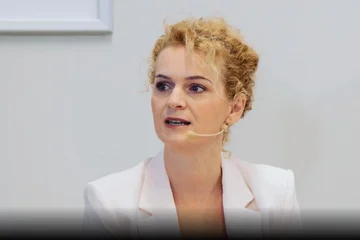
(5 years ago)LDK spokesperson Sübel Halimi said the Government Programme has no clear vision of how women and girls should advance so it can have equal development opportunities. Halimi said that only points that foster inequality, such as lehonia rest and additions for children, are included in the programme. (Laughter)
Halimi said that only points that foster inequality, such as lehonia rest and additions for children, are included in the programme.
A few words for women to inherit and property, gender in textbooks, sexual harassment, economic empowerment, equal schooling, health education, and many issues that, if paid little importance to any, could be said to change something in this country. In fact, to overlook even the most sensitive social category, surviving women of sexual violence during the war.”, she wrote.
Full status:
The involvement of women and girls in the Government Program is more depressing than preventative. In the absence of gender perspective on the programme as a whole, no new one to change the position and role of women in this country.
Women are treated within patriarchal frames, home environments. This program, rather than having a clear vision of how women and girls should be advanced so that they can have equal opportunities in development, keeps them inside the house, offering them some sort of thought-free talk, additions to children, and issues related primarily to the consequences of inequality, but not to causes, for topics that would guarantee a path to an equal equality.
The importance of this program on women indicates that women, of 60 pages, are very few, and only four times are girls mentioned.
As long as some of the strategic topics that can eventually give little hope when placed on the optics of women are only a wishable sentence within the under-presented groups, without serious treatment.
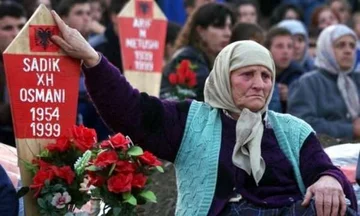
In fact, very few words for women in inheritance and property, gender inequality in textbooks, sexual harassment, economic empowerment, equal schooling, education, and many issues that, if paid little attention to, could be said to change something in this country. They even forget the most sensitive social category - the surviving women of sexual violence during the war.
Until we talk about other groups like LGBTI, the term completely eliminated from the mind of the designers. Women for votes, but not for them!