a minute ago
Hague tribunal sentenced former fighter from Uganda to 25 years in prison
Periskopi(5 years ago)
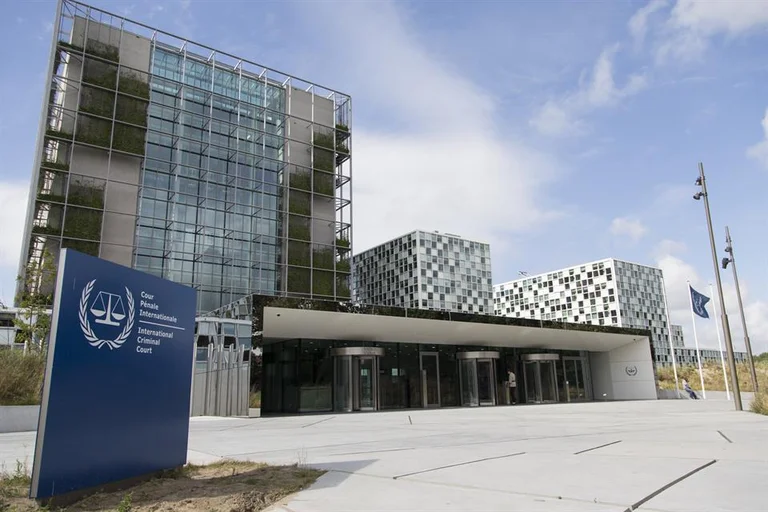
(5 years ago)The International Criminal Court in The Hague has convicted the former military leader and child soldier from Uganda to 25 years in prison after being convicted of war crimes and crimes against humanity. Presiding Judge Bertram Schmitt told the panel of judges that he had considered dealing with Dominic Onngween's sentence to life in prison, but that there was [...]
The presiding judge, Bertram Schmitt, told the judge's panel that he had considered in punishing Dominic Onngween to life imprisonment, but that he had decided against such a thing because of the defendant's personal suffering.
Ongwen was sentenced in February on charges of murder, rape, sexual slavery, kidnapping and torture committed as commander in the Army of God's Resistance. [ Footnote] The LRA, a violent cult that waged bloody campaigns in Uganda and neighboring states from the mid - 1980s until recently, writes The Guardian, renders Periscope.
The court had rejected defence arguments saying Commander Ongween had been kidnapped by the LRA at the age of 10 and that he committed crimes under obligation.
The 41-year-old was “the author of crimes that voluntarily brought terrible suffering to his victims, however, he was the author of crimes he himself had suffered terrible pain at the hands of the group in which he became a prominent member and leader,” read Schmitt's sentence.
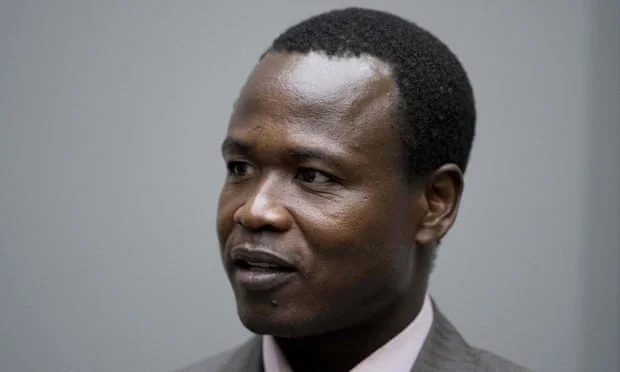
This case is one of the most important in The Hague's 18-year history of Tribunal, but has raised difficult questions on the issue of responsibility and guilt. The tribunal's decision will have enormous impact on the persecution of crimes against humanity in the future, experts say.
Ongwen's lawyers, the first former child soldiers to be tried at The Hague, argued that he should not take more than 10 years in prison because he had been traumatised when the LRA had kidnapped him as a 10-year-old.
In his first appearance before the Court in December 2016, Ongween said he would declare himself innocent.
However, the judges described Ongween as a very skilled warrior and a commander who had planned the attacks very carefully, measuring the risks, and constantly praised by the other commanders.
Most of the charges against him were focused on attacks on refugee camps between 2002 and 2005. /Periscope