17 hours ago
A glass of milk a day reduces the risk of heart disease
Periskopi(5 years ago)
(5 years ago)Heart disease is the leading cause of death in the United States, according to the Centers for Disease Control and Prevention (CDC), and it is not always easy to find out if this organ, very important, is in danger. That is why it is important to do everything you can to prevent [the] development....
That is why it is important to do all you can to prevent the development of heart disease. You can do so by changing some life habits that may endanger your heart health.
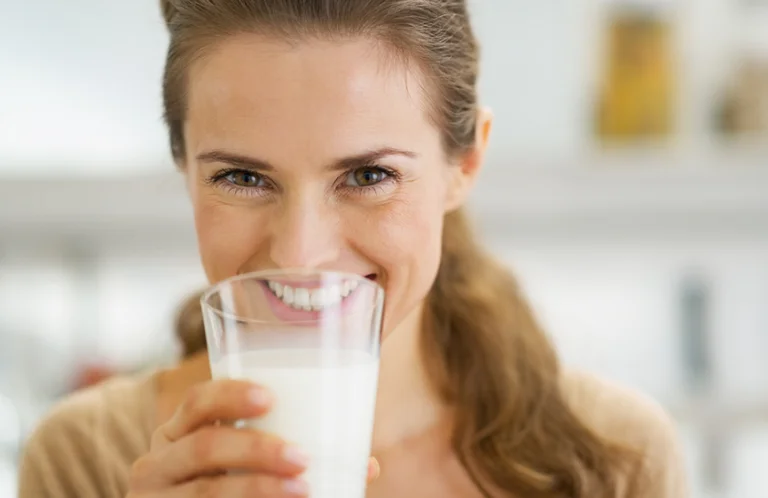
A recently published study revealed that drinking a glass of milk every day can significantly reduce the risk of developing heart disease. A study published in the International Journal of Obsity found that drinking milk on a daily basis is very good for the heart.
The study included about two million respondents from the United States and the United Kingdom, and researchers found that respondents who drank at least one glass of milk a day had a 14 - percent lower risk of developing heart disease, reports Best Life.
In addition, regular milk consumption will also not increase cholesterol, and according to the Mayo Clinic, high cholesterol may increase the risk of developing heart disease. But although milk was previously considered to have a high level of milk cholesterol, a new study showed that people who drink milk regularly have low, good cholesterol.
Other dairy products can be good for your heart. A 2018 study published in The Lancet magazine included 136,000 respondents from 21 countries over a nine - year period and proved that daily consumption of milk products is good for heart health.
According to the study, more than two fractions of milk products per day are accompanied by a 22 - percent lower risk of developing cardiovascular diseases. For example, if you drink a glass of yogurt a day, the risk of developing heart disease is 10 percent lower.
The US Department of Agriculture recommends that adults consume three loans of milk per day. It would be ideal to consume low - fat milk products or those that have a low fat content because such products provide essential foods without extra fat.
If for some reason you don't want to consume milk products, the ministry says your diet should be varied and rich in protein, calcium, potassium, magnesium, vitamin D and vitamin A.